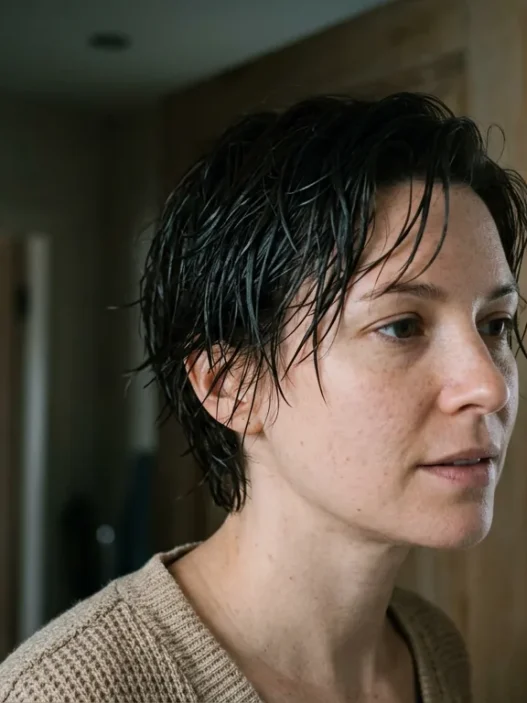








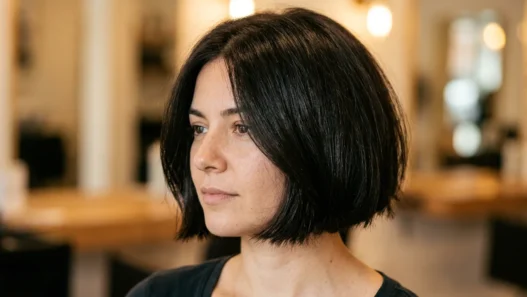




I love a fresh pixie, but I learned fast that the haircut is not the cost. The nape is the cost. My tightest taper looked perfect for about 18 days, then it started to fuzz out over my collar and the whole shape went soft.
So I started tracking my pixie cuts for women by trim date instead of by name. What you see below is ordered from the most high-maintenance nape to the cheapest one I would still pay for. And yes, I have worn the last one the longest.

1. Every Three Weeks
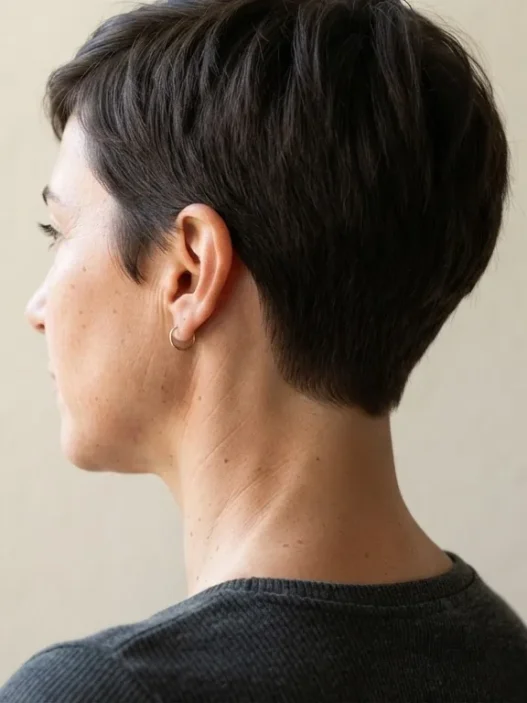
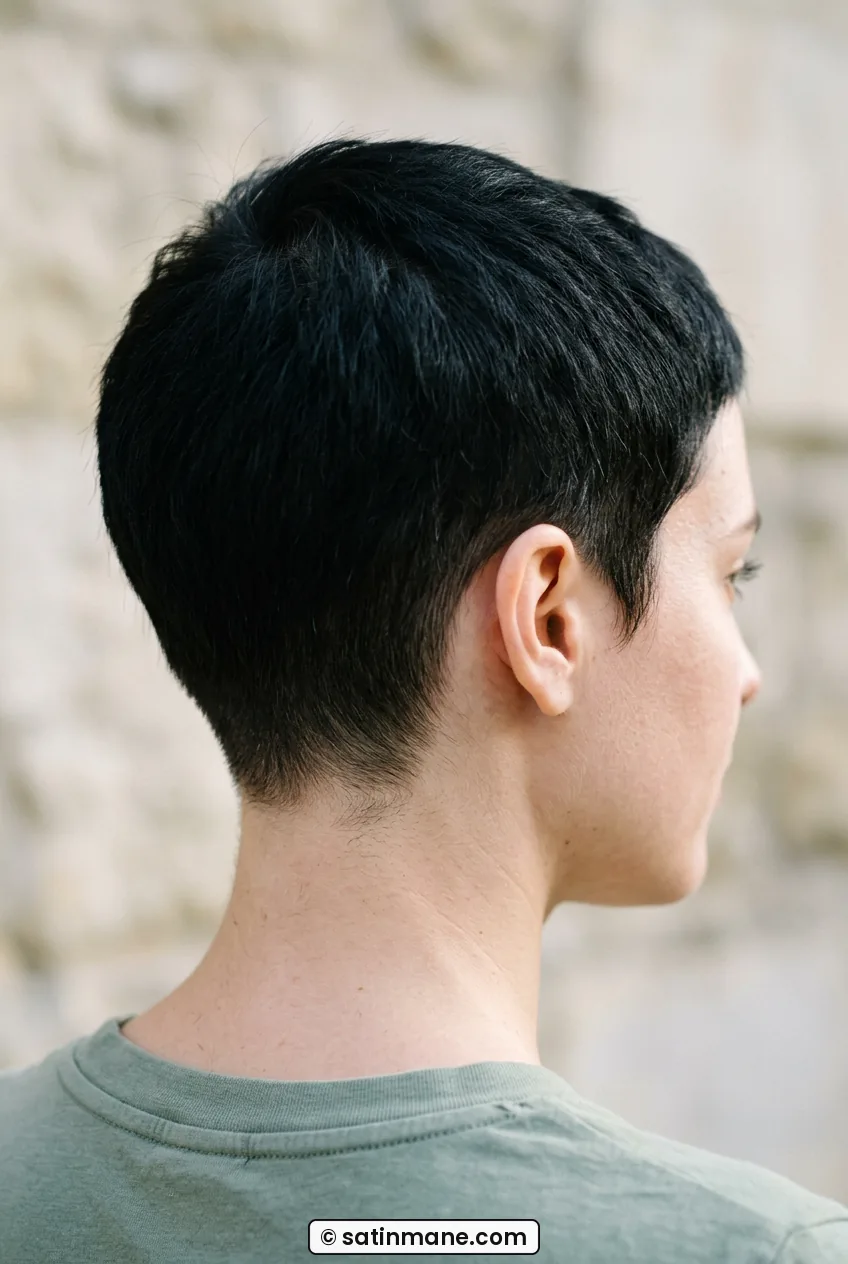
Every three weeks is the skin-tight tapered nape. I mean the one that looks almost faded at the hairline, with that super-clean line just above the collar. Look at how she is wearing hers in the photo, that close hug right into the neck. It is sharp for about two weeks and then it starts to itch.
When I tried this version last spring, my stylist took the sides down with a soft fade and left the top just long enough to push forward. It made my cheekbones look amazing. But it also meant I was back in her chair in 21 days, no question. By day 24 the back had that little ducktail kick I hate.
This shape suits straight, thick hair best because the line stays visible. If your hair curls at the neckline, budget even tighter. You will feel it before you see it. My neck was prickly by week three and no amount of wax fixed it.
Priced per month, this is the dearest pixie on the list. I paid for a full reshaping every visit, not just a neck clean-up. If you love tapered pixies with that painted-on finish, this is the price of admission. Gorgeous, but honest work.
2. Every Four Weeks
Every four weeks buys you a sculpted, rounded taper. Still short through the nape, but not skinned. The back is cut to follow your head shape, with a little more length left to feather over the hairline.
She has got a similar hairline to mine, low at the sides, and honestly this length looks incredible on her. See how it sits just off her collar in the back view? That extra eighth of an inch is what gives you week four.
I kept this one through winter because hats did not ruin it. I could finger-style the top with a pea-sized bit of paste and go. The catch was the sides. Once they puffed out past my ears, the whole cut looked wider than it was tall. My face looked rounder in photos, which I did not love.
You can read up on how short layers hold their shape before you book, since You can also read up on how short layers hold shape through week three if your hair is coarse. My stylist thinned just under the crown to keep it flat while the nape grew. Ask for that if you puff out fast.

3. Every Five Weeks
Every five weeks is the classic side-swept tapered pixie. Longer on top, shorter at the nape, with a soft side part that does most of the work. This is the one most people picture when they say pixie.
My favorite version had about two inches on top and a neatly tapered back that did not show skin. I could wash it, rough-dry it forward, and it fell into place. For work mornings that was gold. It also hid week-four growth better than any skin fade, because the eye goes to the fringe, not the neck.
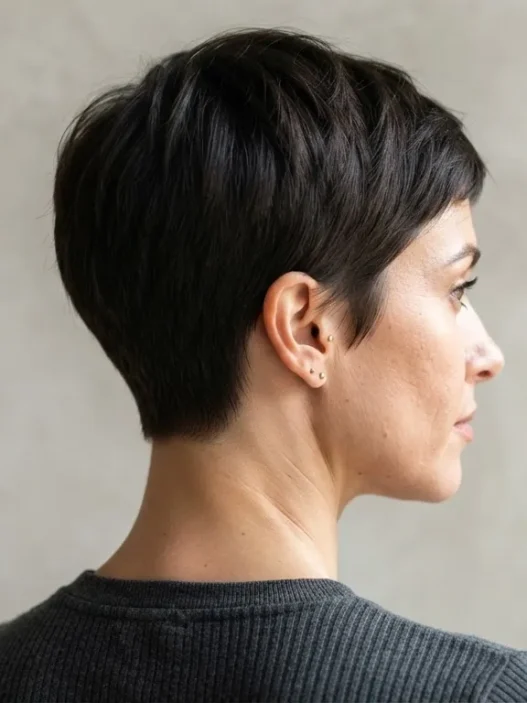
Look at her side view here. That angle from temple to nape is exactly what I mean about a well-cut taper. It is shorter underneath and gradually longer as it moves up. When that slope grows out, you lose definition first at the bottom, not the top, so you can cheat with a neck trim.
If your hair is fine, this is where I would start. I wrote more about pixie cuts for fine hair and why that longer top matters for fullness. A lot of short pixie haircuts collapse without it, and then you are heat-styling every day to fake lift.

4. Every Six Weeks
Every six weeks gets you into textured-crop territory. Choppy on top, piece-y around the ears, with a broken-up nape instead of a solid line. I love this one because grow-out just looks like more texture.
When I had mine, my stylist point-cut the whole back so there was no hard edge to outgrow. Smart. By week five it was shaggier, sure, but in a good way. A little wax on the ends and it looked intentional again. This is the first shape on the list where I did not panic-book an appointment.
This cut is kinder to wavy hair and cowlicks at the neck. My left-side cowlick always sticks out at week four in a blunt taper. In a choppy nape? It just blends in as another piece. Have you ever had a cut that actually liked your cowlick? This was mine.
The trade-off is styling. You will need a 30-second finger-style to separate the pieces, especially in humid weather. I keep a travel paste in my bag and learned about short-hold wax techniques from my stylist between visits and after that it took no time.
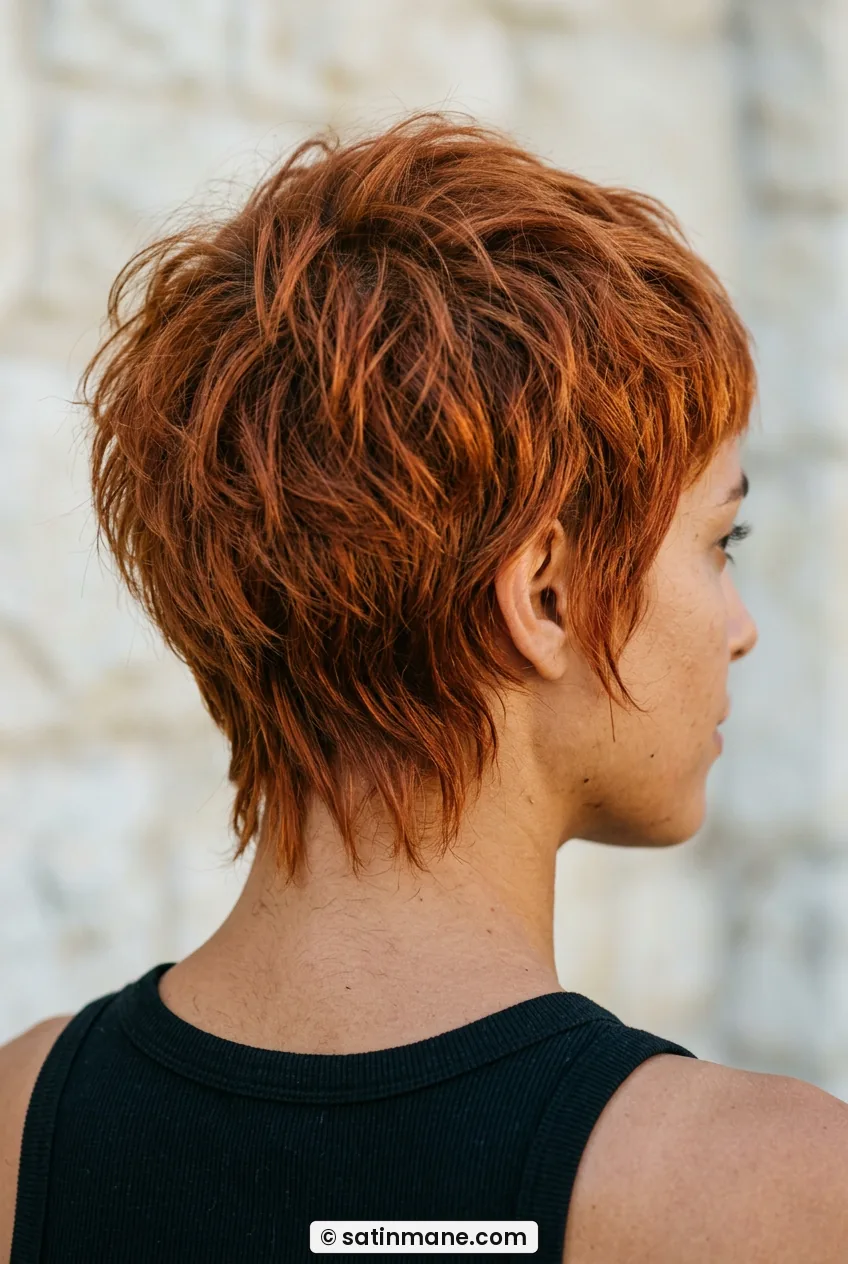
My personal pick is the six-week textured crop. It gives me that sharp pixie feeling without the three-week panic, and second-day hair is actually better than fresh.
See the Textured Nape Technique Live
5. Every Seven Weeks
Every seven weeks is the soft grow-out pixie. Longer nape, fuller sides, fringe that brushes your brows. It is almost a mini-bob at the back, but the front still reads pixie.
This is the length I am talking about when friends say they want low-maintenance but are scared to go super-short. See how it hits just at her hairline in the back photo? That little bit of collar contact means you do not feel every millimeter of growth.
I wore this through a busy fall and only saw my stylist twice in three months. Once for a full cut, once for a quick ear-tidy. The shape held because there was weight to hold it. My thick-haired clients know this trick well. More weight, less puff.
If you like a gentler edge, browse soft pixies for this kind of perimeter. They grow like a dream and they do not show a harsh grow-out line in the back. My only note? Keep the top trimmed or it gets helmet-y around week six.
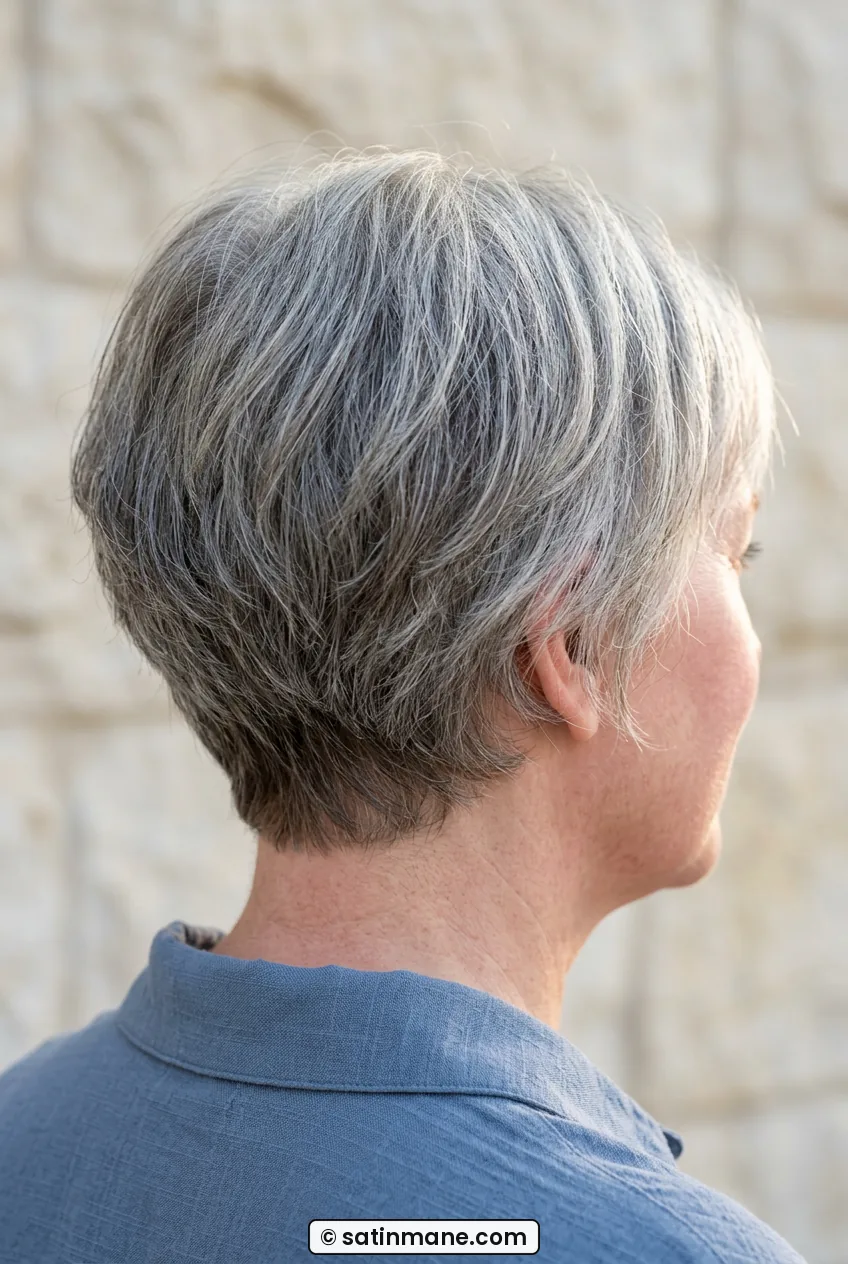
6. Every Eight Weeks
Every eight weeks is the long-top undercut pixie. Tight underneath, long and heavy on top. The hidden under-panel does the dirty work while the top hides the grow-out.
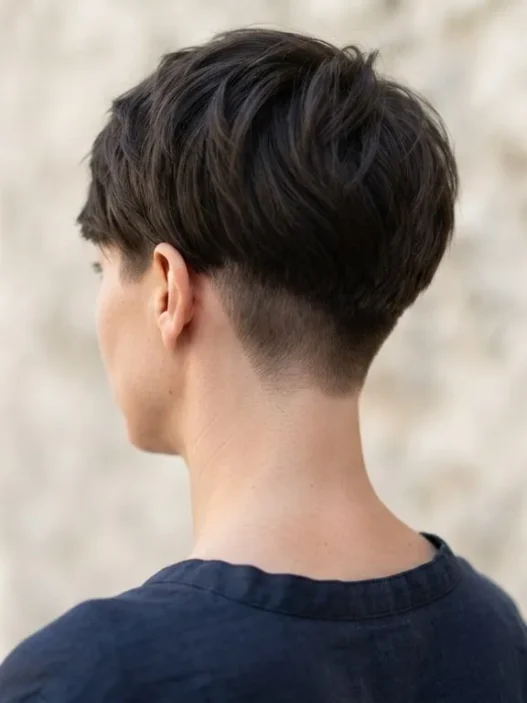
I was skeptical. An undercut sounded more high-maintenance, not less. But mine lasted almost two months because the underneath just blended into itself as it grew. No one sees your nape under that top layer anyway. Look at her back view, you can barely tell where the undercut ends and the top begins, and that is the point.
Styling takes a touch more effort up front. I had to train the top to sweep to one side so it covered the grow-out. A flat brush and a cool shot from the dryer did it in about two minutes. After that, second and third-day hair was easy. Dry shampoo at the roots, tuck one side, done.
Curious about going shorter underneath first? I linked this when my sister asked, since 6 undercut pixie styles show how different the grow-out can look. Some stay neat for weeks, some flip out fast. Pick the low nape, not the high fade, if you want eight weeks.
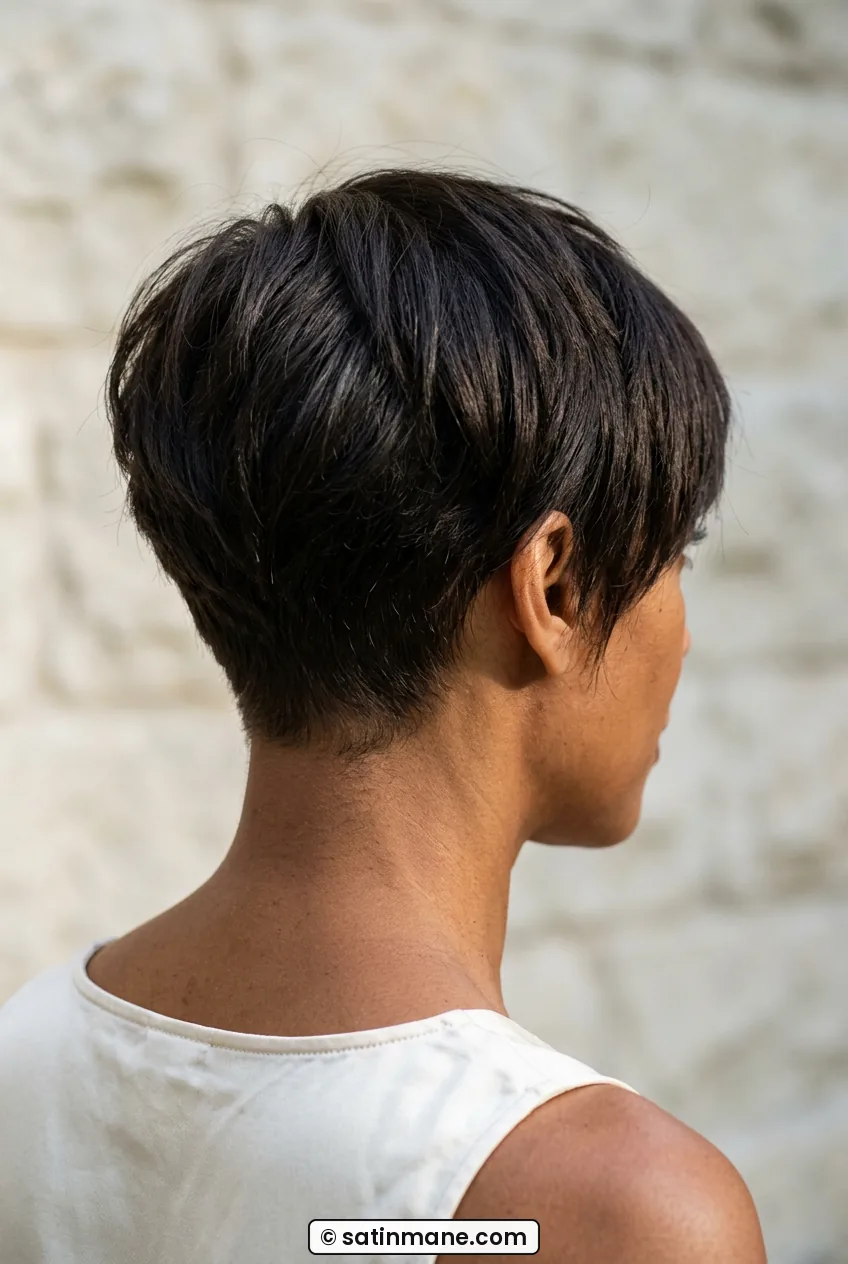
7. Every Ten Weeks
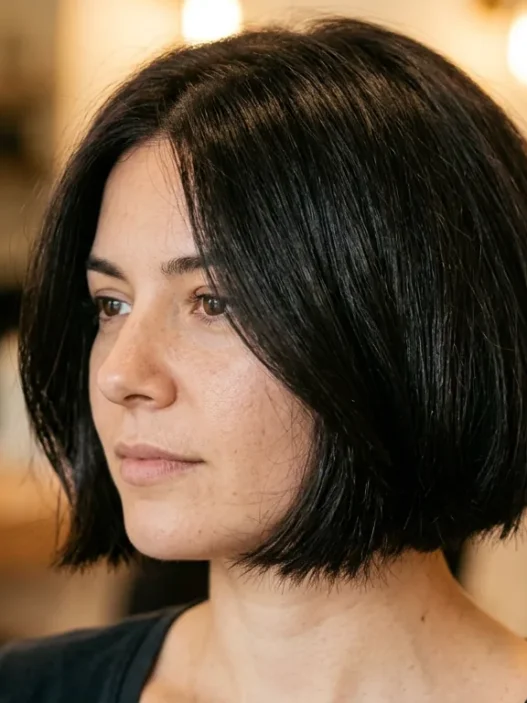
Every ten weeks brings us to the shaggy pixie-bob blend. This one lives between a pixie and a bob, with a soft, feathered nape that sits right on the collar. It is the mullet-adjacent cousin no one wants to name, and I kind of adore it.
Growth just makes it shaggier, not messier. My back length went from barely touching to fully kissing my collar and it still looked styled. I trimmed my own fringe twice with brow scissors (do not tell my stylist) and stretched the appointment to week eleven. No regrets.
This shape is a win for wavy and frizz-prone hair because the extra length weighs the nape down. Short napes poof out. This one lies flat. I air-dried mine most days and scrunched the top with a little cream. You can learn more about air-dry waves without frizz in detail before you commit and it works the same on this length.
Downside? You lose that crisp pixie feeling after month one. It reads more gamine-bob than boyish-crop. If you live for sharp lines, you will get itchy. If you live for wash-and-go, you will be thrilled.

8. Whenever You Notice
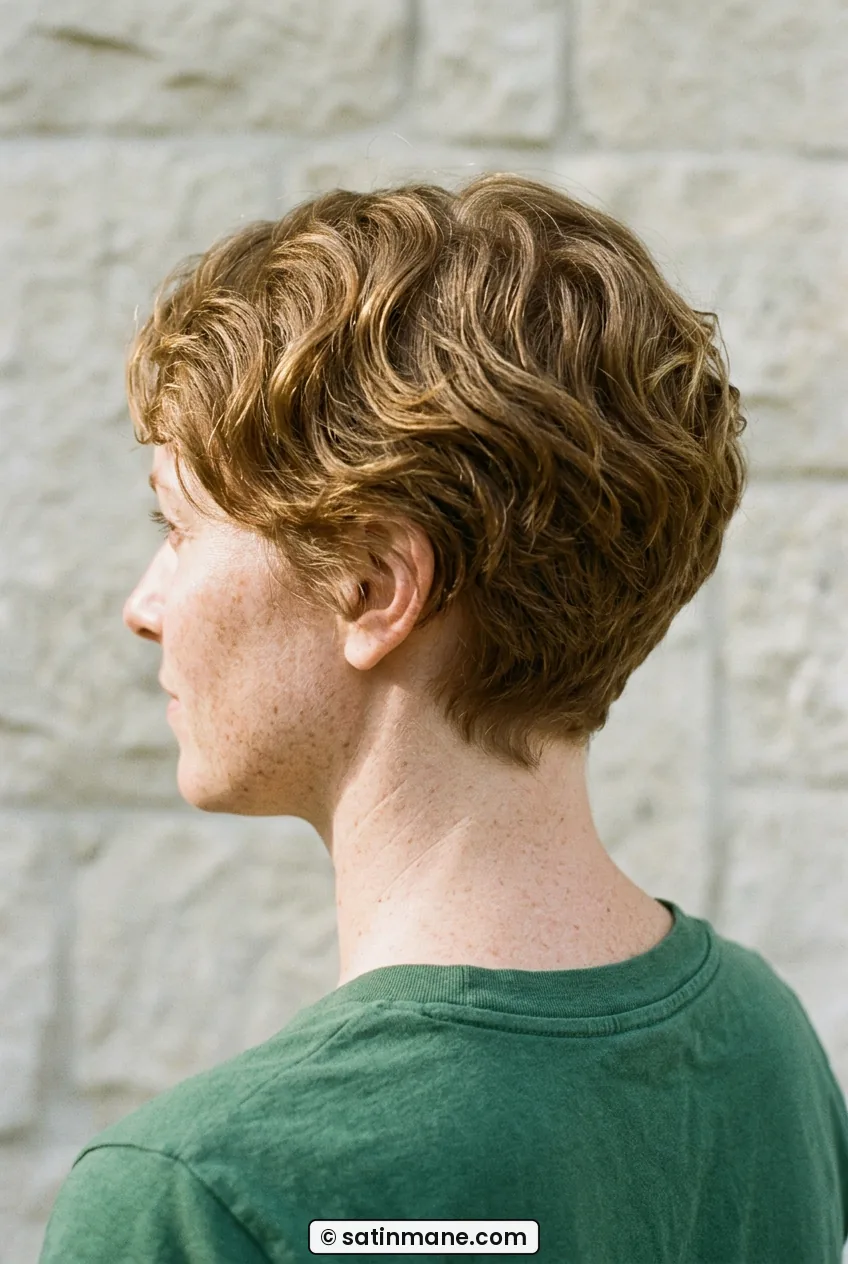
Whenever you notice is the low-taper, wash-and-go pixie. This is the cheapest option that is still worth having, in my opinion. The nape is cut with scissors, not clippers, left soft and a little long, with no hard line to maintain.
She is wearing hers exactly how I did, pushed back with almost nothing in it. See how the back just melts into her neck? There is no shelf, no ledge, no line. When it grows, it just gets a little fuller. I went twelve weeks once. Twelve. My stylist raised an eyebrow, but the cut still looked fine.
I love this for fine hair that goes flat, for curly hair that shrinks up, for anyone who does not want to think about hair. Towel-dry, a dab of lotion or light gel, shake and go. It will not stay editorial-sharp, but it will stay cute. That is a trade I will make all day.
Priced per month, this wins by a mile. Two to three cuts a year if you stretch it, four if you like it tidy. If you are new to short hair and scared of the upkeep trap, start here. You can always go tighter next time.
What People Ask Me About Pixie Nape Upkeep
How often does a tapered pixie really need a trim?
It depends on how tight the nape is. A skin-tight taper needs attention at 3-4 weeks, a scissor-tapered back can go 6-8 weeks, and a soft pixie-bob blend often stretches to 10 weeks without looking grown out.
Can I just get a neck trim between full cuts?
Yes, and I do it all the time. Most salons offer a quick 10-minute neck clean-up for much less than a full cut. It buys you an extra two weeks on tight shapes.
Which pixie grows out without a mullet stage?
The soft, scissor-cut nape wins here. Because there is no harsh fade line, the back thickens evenly instead of kicking out. Textured tops also disguise that awkward back flip better than blunt ones.
So which nape would you actually live with? I thought I was a tight-taper girl until my calendar said otherwise. Now I pick by trim timing first, shape second. Tell me your number and I will tell you your pixie.