






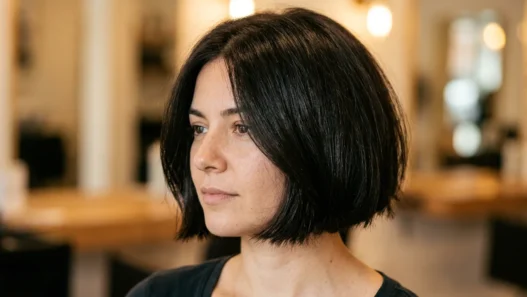

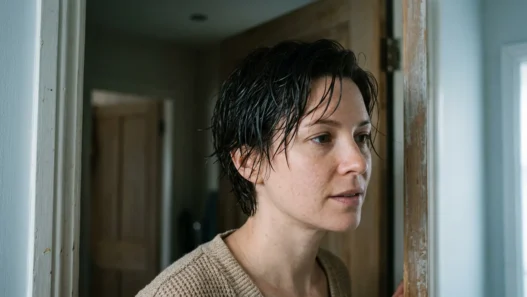


I have lived with a short shag in almost every version of my adult hair. Mine flips, frizzes, and falls flat if I look at it wrong, so I only keep cuts that work with that.
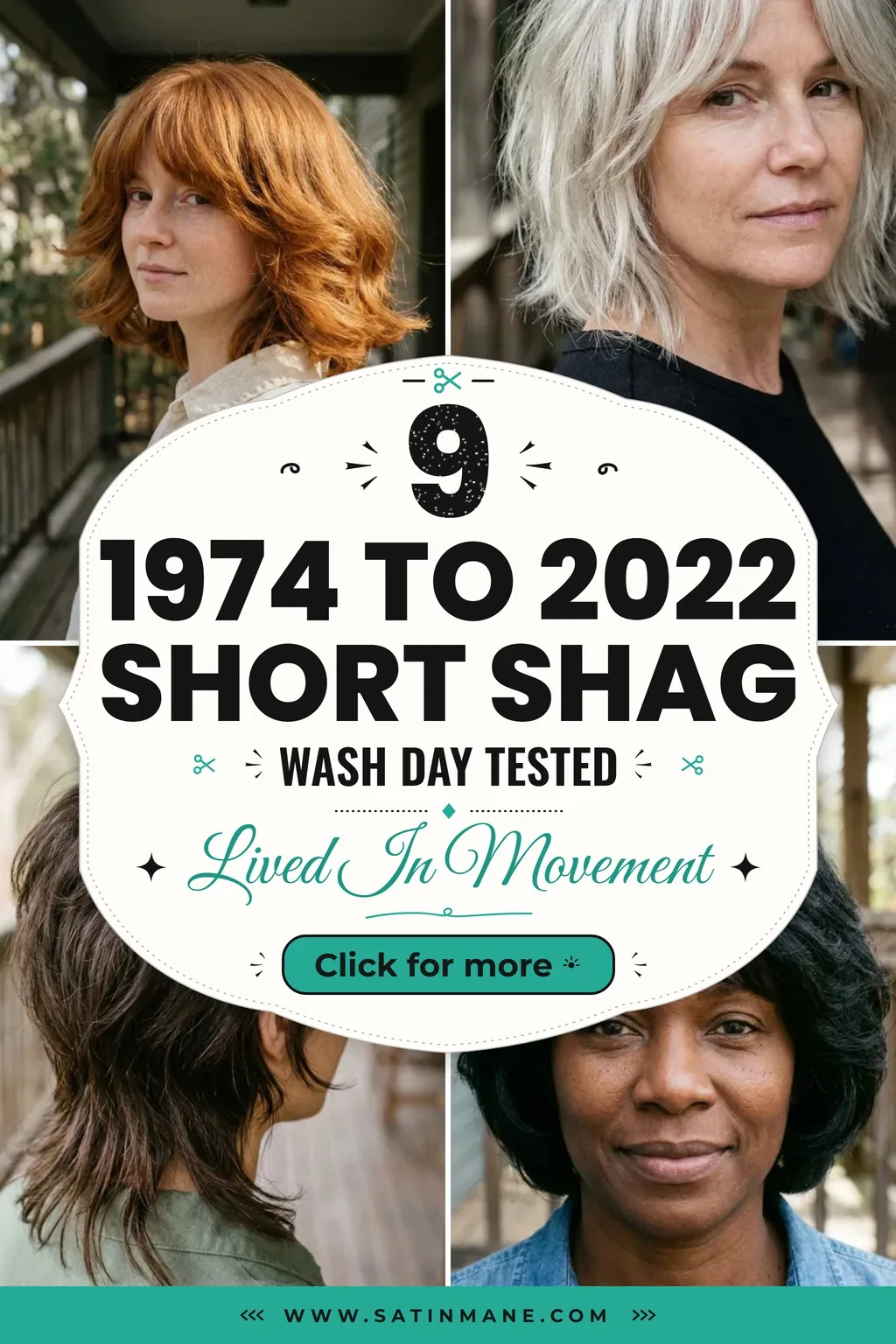
Every Borrowed Shag I Would Actually Wear Again
1. The 1974 One
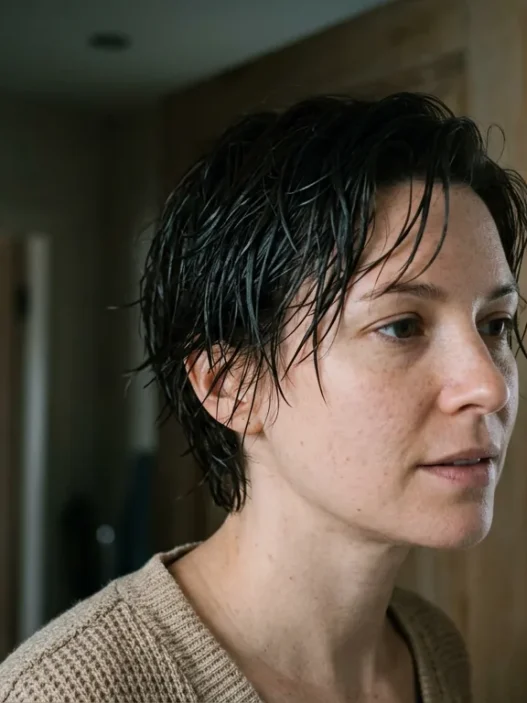
This one comes straight from 1974, all feathered wings and a long, eye-skimming fringe. I love that original shape, but the old version was razor-thin at the ends and needed daily backcombing to stay alive.
The one thing we changed to make it wearable now is weight. My stylist left a much thicker perimeter around my jaw and just carved soft, interior layers through the crown. It still flips out the way I want, but it does not go see-through by week three.
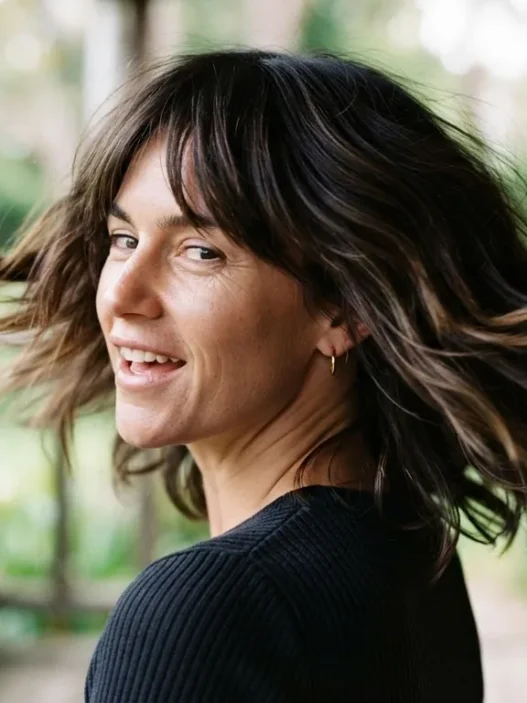
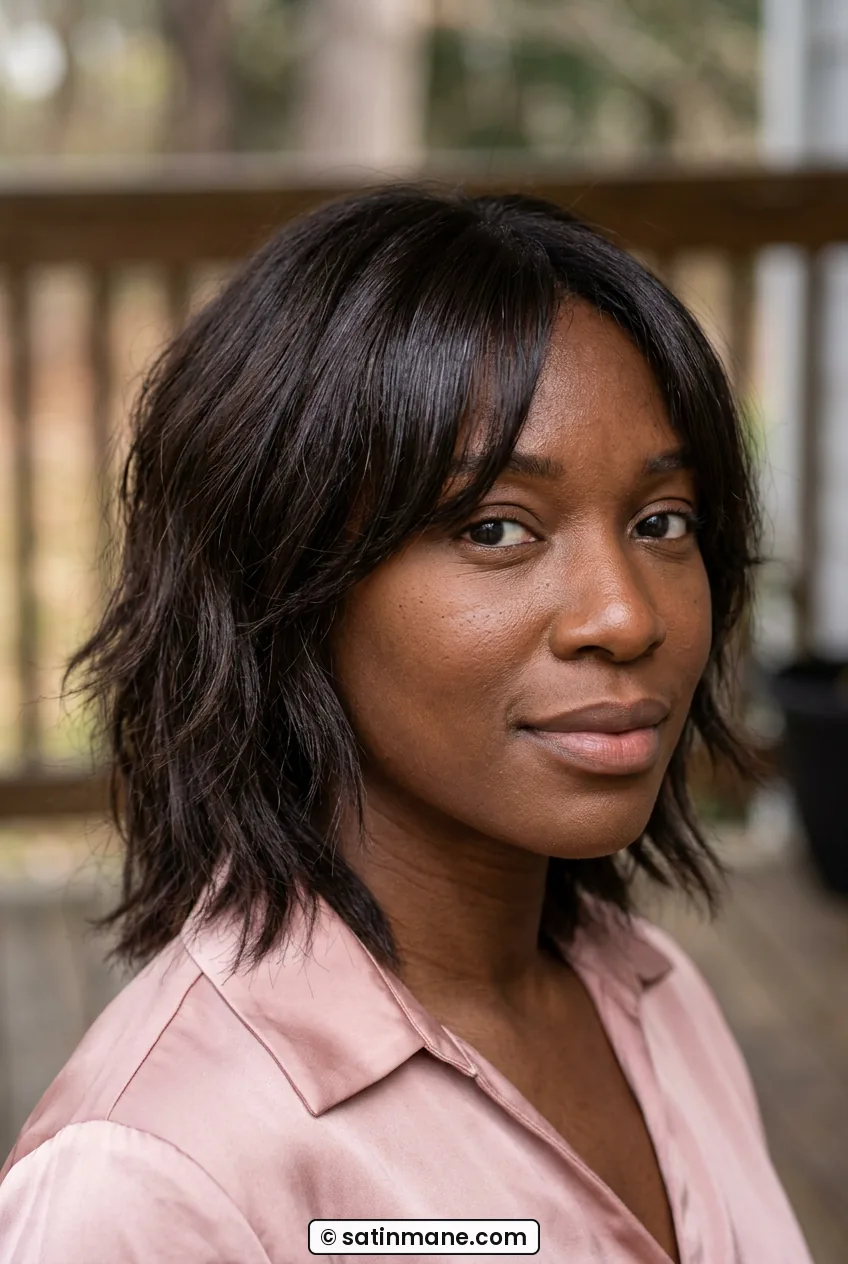
Look at how she is wearing hers in the photo, mid-turn with those pieces kicking out over the timber rail. That angle is exactly what I mean about a short shag needing room to move. Mine looked best on day-two hair with a little dry shampoo at the roots, and I only touched up the fringe with a round brush. You can read up on how a soft, piece-y fringe grows out before you commit, because I asked my stylist to cut mine with extra length at the temples so it blends into the sides instead of stalling at my eyebrows. If you have fine hair, this is the version I would point you to first.

I wore this shape to a windy outdoor dinner and it just got better as the night went on. And honestly, that almost never happens for me. For more takes on the same family, I keep going back to these modern shags when I need a refresh.
2. The 1978 One
The 1978 shape is that bouncy, roller-set shag with the flipped-under sides. Think variety-show volume, lots of curve at the cheek, very done.
The change is the finish. We kept the rounded outline from that era but ditched the stiff, blow-dried-under helmet. Now it is cut with a slightly shorter back and longer, face-framing front pieces that air-dry with a bend instead of a curl.
She has got that full, curved-under edge I tried for years to get with a round brush. Hers sits just at jaw level and cups in, which makes her neck look longer. Mine needed one tweak. My hair is thicker on one side, so my stylist point-cut the heavy side a little more to even out the swing. I style it with a pea-sized amount of cream on damp hair, then I tuck it behind my ears while I do makeup. When I let it loose, it has that soft dent at the cheek. No hot tools.
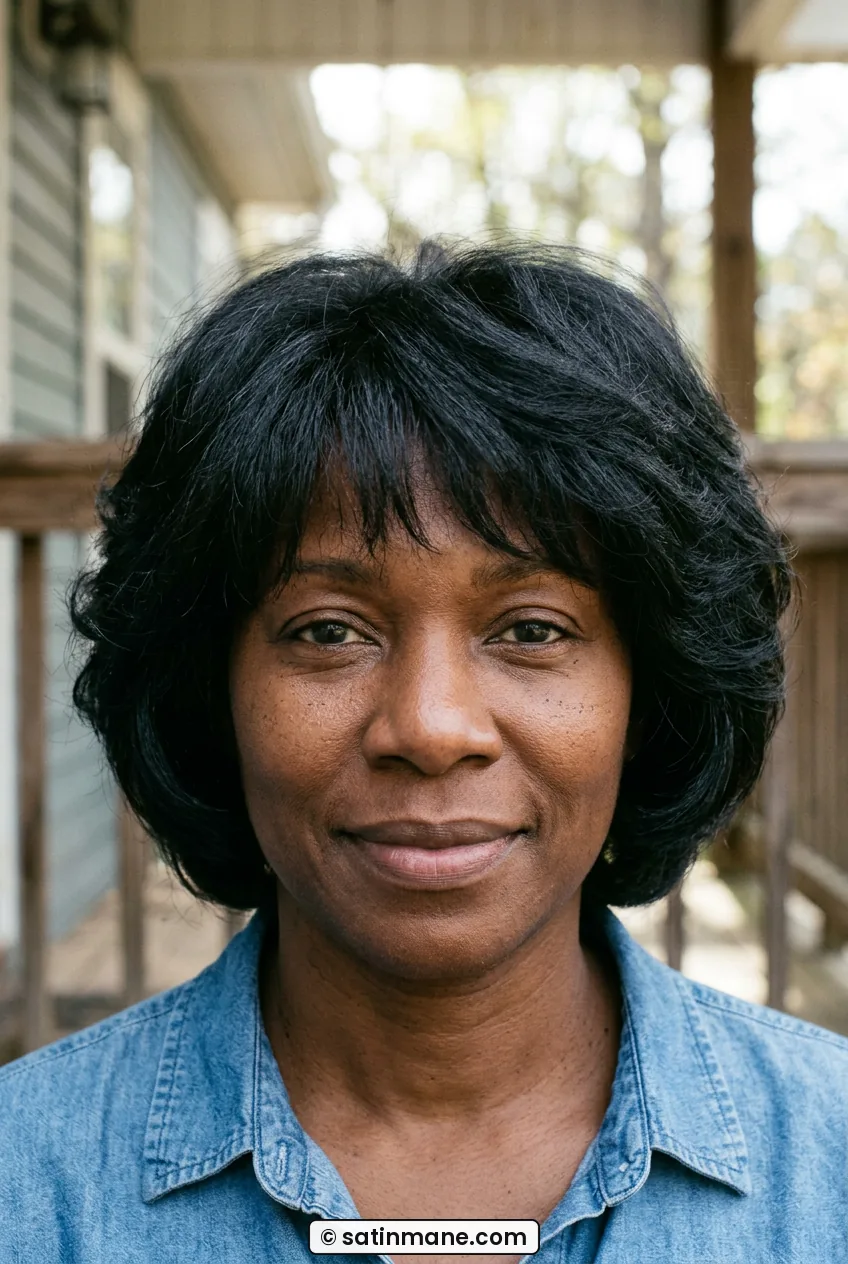
This is a good pick if you want short shag haircuts that still feel polished for work. It reads neat from the front and a little wild from the side, which is my favorite combination. I learned a lot about keeping that under-curve soft from reading about short blowout techniques during my morning coffee, and it finally stopped flipping too far under.
3. The 1984 One
1984 gave us the rock-show mullet shag, spiky on top and long at the nape. I loved it on album covers. I did not love it when I tried a version at 22 and looked like I was late for sound check.
What makes it wearable in 2026 is proportion. We shortened that tail to just grazing the collarbone in back and added a soft, tapered neckline. So you get the edge without the rat-tail feeling.
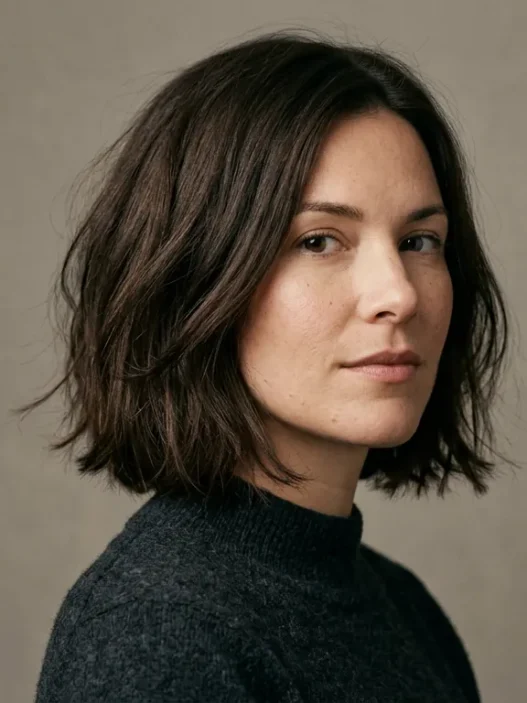
This is the length I am talking about. See how it hits just below her chin in front but drops a touch longer behind her ear? That little dip keeps it feminine for me. My hairdresser used thinning shears only at the very ends, not up high, which kept my crown from going puffy. I wear this one with a deep side part because my forehead is on the shorter side and a middle part makes my face look rounder than it is.
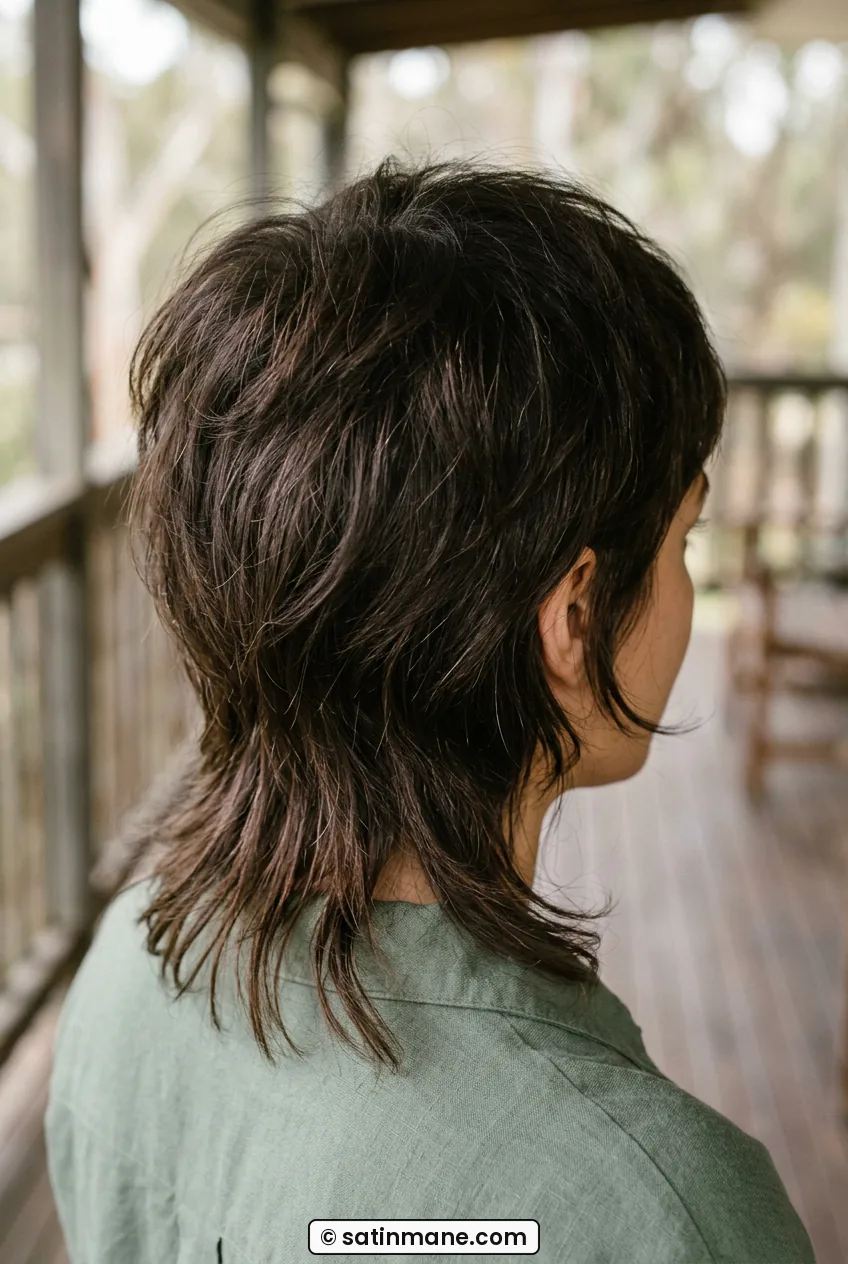
It grew out beautifully too. Between trims I just had her clean up my neckline and leave the layers alone. If you are nervous about going too short, start here. It gives you movement without losing that security blanket around your face.
4. The 1991 One
This one is borrowed from 1991, that soft-grunge shaggy bob with a curtain fringe. It was a little lank back then, very unwashed in a cool way that only worked if you were nineteen.
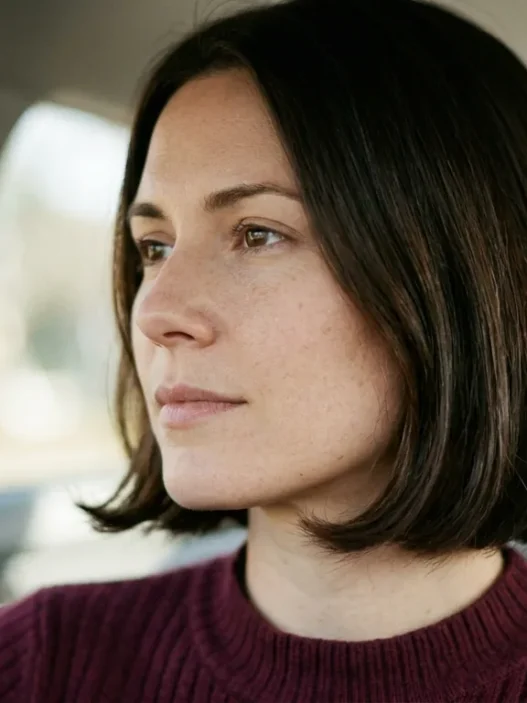
The fix is texture placement. Instead of all-over choppy layers, my stylist kept the base blunt at chin level and added shaggy layers only through the top three inches. That gives lift without frizz.
She is wearing hers with that barely-there middle bend that I can never get with a flat iron. Mine air-dries almost like hers if I twist two front sections away from my face while damp and clip them for ten minutes. I stole that trick after my second kid when I had no time for heat. It is also the cut that made me stop fighting my natural wave. You can get soft separation with just a little salt spray, and I found my routine improved after reading about air-drying methods for waves on a wash-and-go hair site.

For context, my hair is fine but I have a lot of it, and this haircut made it look thicker, not thinner. If you like chin-length bobs but find them too neat, this is your middle ground.
My personal pick is the 1991 one. It is the only short shag I have repurchased, three times, because it survives school drop-off, rain, and sleeping on it weird.
See the Air-Dry Shag Technique Live
5. The 1995 One
1995 was all about the grown-out pixie shag, piece-y and a little boyish around the ears. I tried it in college and my ears stuck out in every photo. I still cringe.
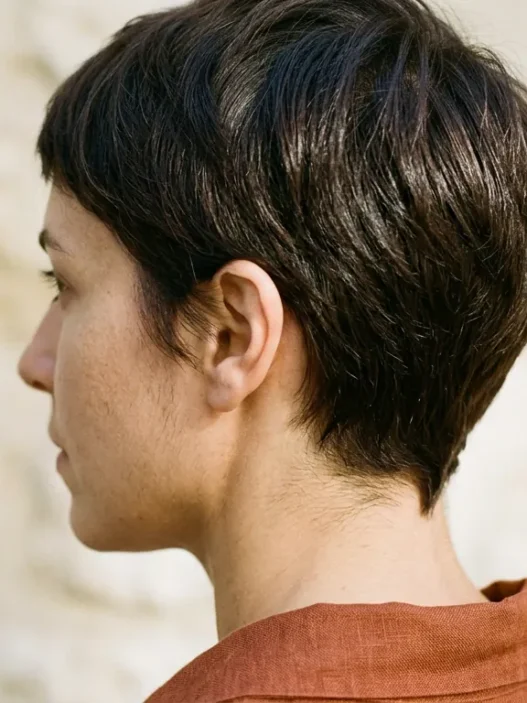
The modern change is ear coverage. We left a soft, longer flap over the ears and built the volume higher at the crown, so the head shape looks oval instead of wide.
Look at her side profile. See how that layer lies flat over her ear then kicks forward just a touch? That is the detail that changed everything for me. My stylist calls it a safety layer, and I ask for it by name now. I wear this with almost no product, just towel-dried hair and a quick finger-comb. It is a wash-and-go dream if your hair has some natural bend. Straight, slippery hair might need a little texture spray at the crown, but that is it.
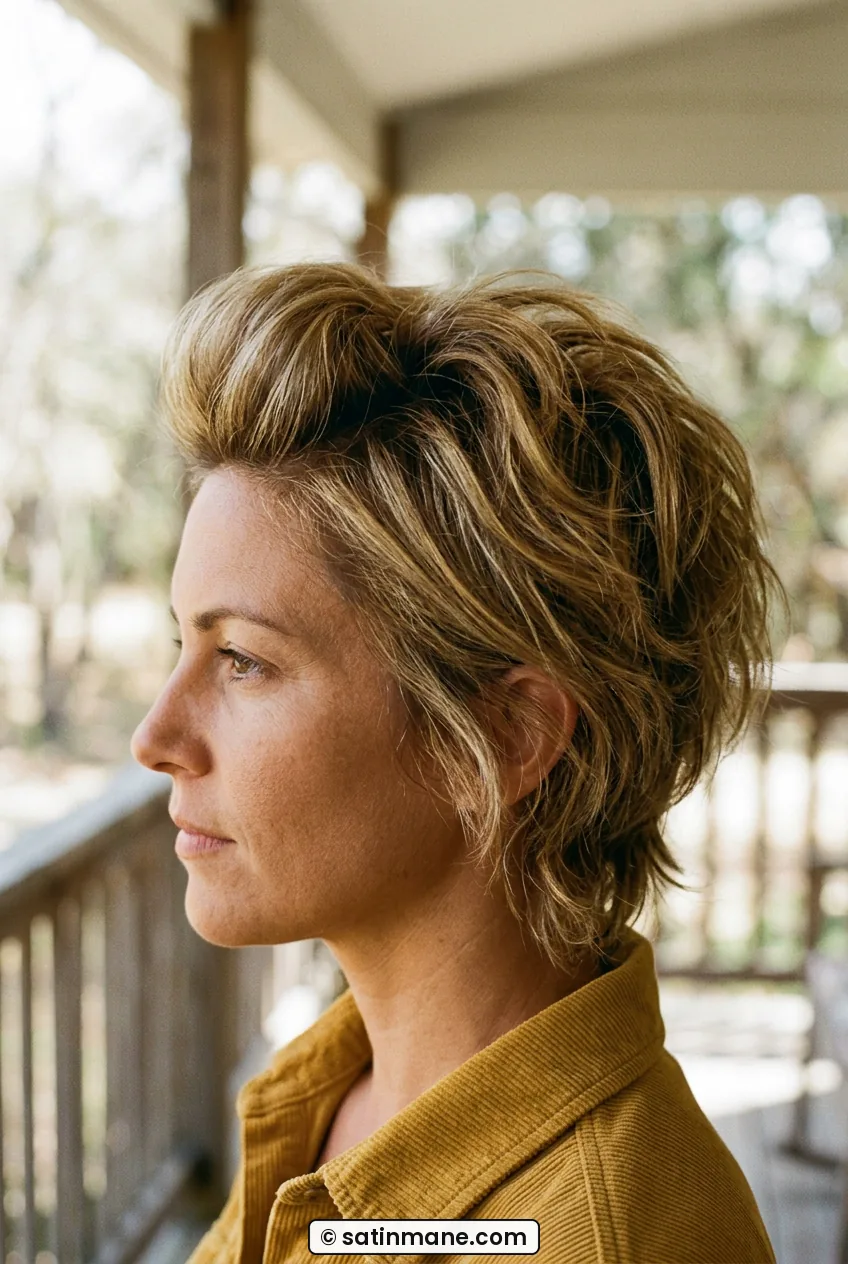
I get asked if this works after 50, and yes. My mom borrowed mine last spring and her stylist just added a slightly fuller fringe. If you want proof, look at these short haircuts for women over 50 that hold the same soft crown lift.
6. The 2003 One
The 2003 shag was that scene-y, heavily layered cut with chunky highlights and spiky ends. Fun at the time. A little crunchy now when I look back at photos.
We kept the fun part, the choppy movement, but we softened the edges with slide-cutting instead of hard razoring. No more separated spikes, just blended, lived-in ends that still piece apart.
She has a similar cowlick to mine right at the front hairline, and honestly, this cut looks incredible on her because those short, wispy pieces hide it. Mine used to stand straight up in humidity until my stylist taught me to blow-dry just that one spot forward with a small brush, then let the rest air-dry. Total time is four minutes. The rest of the cut does the work. I pair it with a demi-gloss in my natural brown because solid, single-process color shows off shaggy texture better than stripes. At least on me.
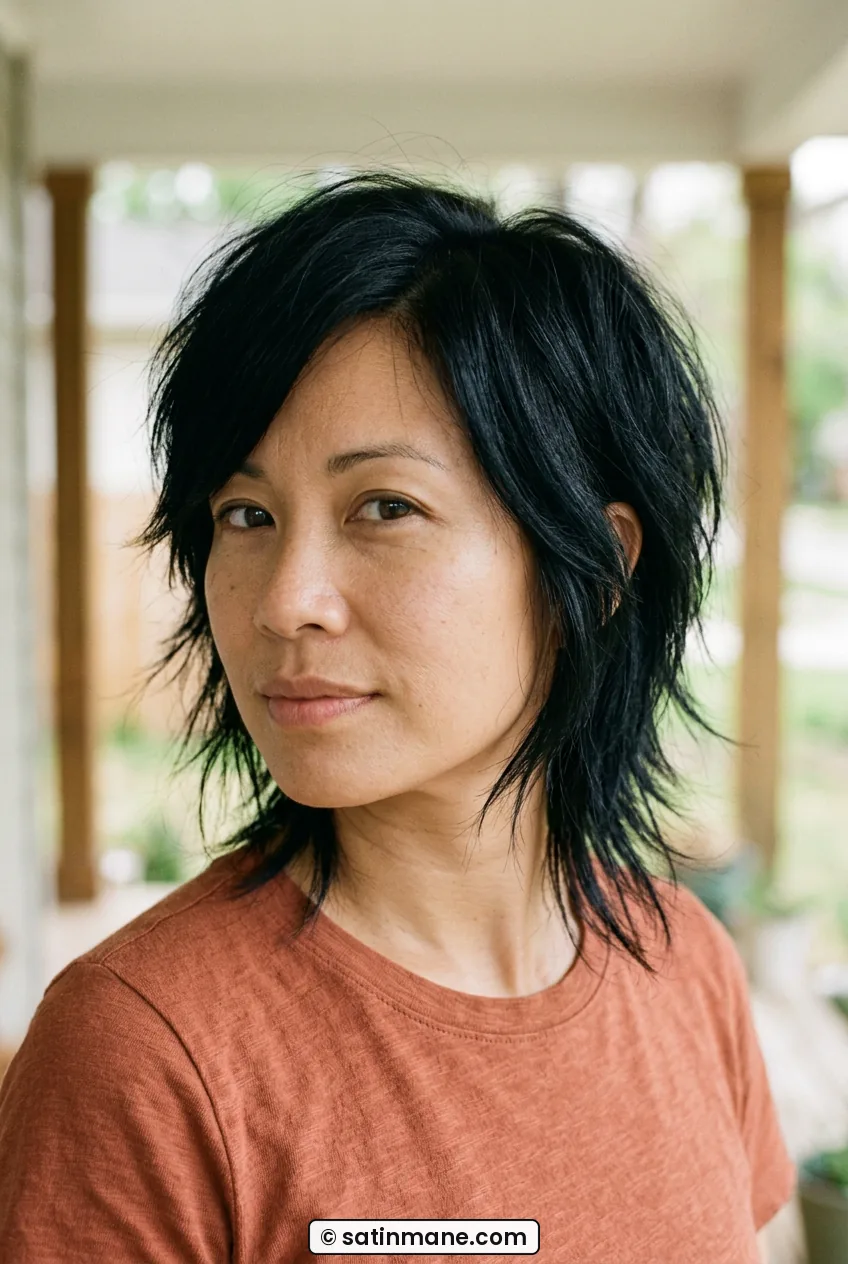
If your hair is thick and heavy, ask for internal weight removal rather than shorter layers. That was the mistake I made the first time. Shorter layers made a triangle. Hidden layers underneath made it swing. And if you are comparing lengths, these shag haircuts for women helped me decide to stay short instead of growing it out.
7. The 2013 One
2013 brought the lob shag, shoulder-skimming and beachy, usually styled with a wand. I lived in that cut for two years. My arms did not love the daily curling.
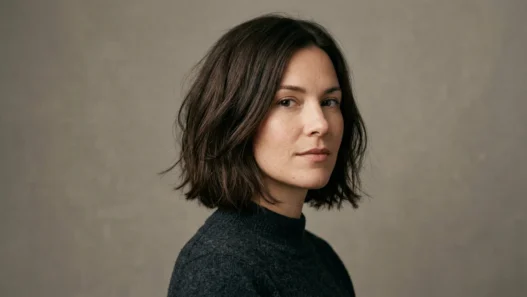
The 2026 update is a heat-free cutting pattern. The layers are cut shorter around the face and left longer in back, so your natural wave creates the bend that a curling iron used to fake.
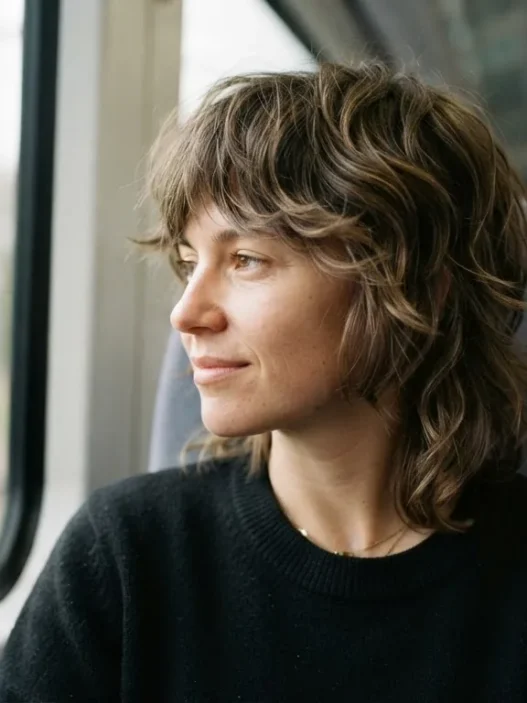
This photo shows what I mean about motion held rather than frozen. Her layers are mid-turn and you can see air between them, not a solid wall of hair. That separation comes from the cut, not product. I get mine trimmed every ten weeks, and in between I do a tiny at-home dusting of just the split ends. Nothing fancy. My wash-day routine is shampoo twice, condition only from ears down, scrunch with a microfiber towel. Done. My fine-haired friends sometimes worry shags will make hair look thinner, but a well-placed short layer at the crown actually lifts the whole thing.
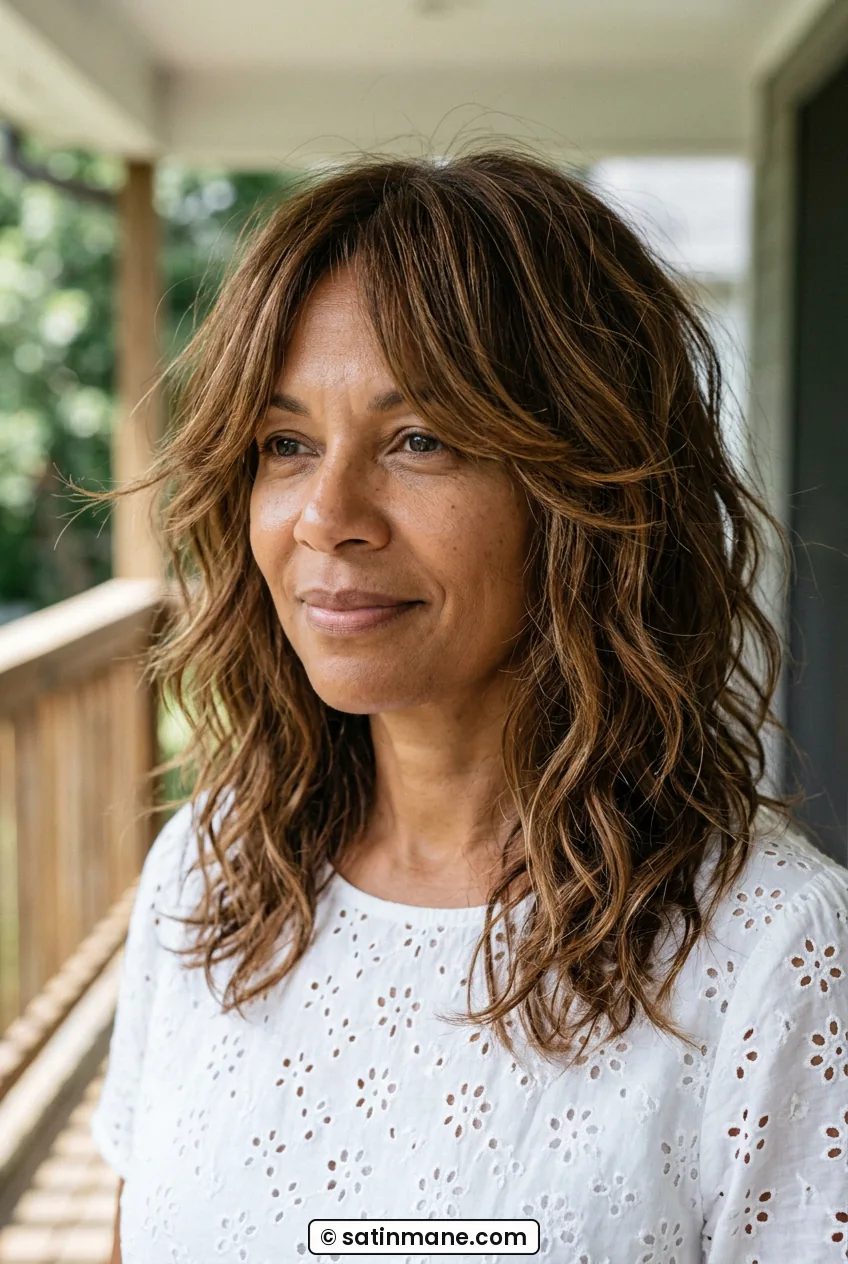
This is the closest to a medium length in this roundup, so if you are on the fence about going short, it is a safe bridge. I also browsed a lot of medium length shag haircuts before I chopped mine, and the layer logic is the same, just cropped higher.
8. The 2019 One
The 2019 version is the Instagram wolf cut, dramatic, disconnected, very face-framing. I love how bold it looked online. In real life on me, the disconnect left a weird shelf.
The fix is connection. We kept the wolf attitude but blended the transition from fringe to cheek layer to jaw layer, so there is no cliff. One continuous, soft cascade.
See how her cheek layer melts right into the jaw piece? That is the blended version I am talking about. No harsh step. My stylist cuts that section dry, which felt strange the first time but made all the difference for my wavy texture. Wet cuts always shrank up unevenly on me. Dry cutting let her see where each curl actually lives. I style this with a diffuser for five minutes if I want extra oomph, or I just let it be. Both work, which is rare for a statement cut.

A quick note on color here. High-contrast balayage can make this cut look choppier than it is. I went one shade lighter through the ends and kept my root natural, and it reads much softer. I picked up that idea after reading about lived-in color techniques that grow out without a harsh line, and my grow-out has been painless.
9. The 2022 One
2022 gave us the soft, expensive-looking shag, curtain bangs, polished ends, very French-girl. It was pretty, but on my hair it fell flat by lunch.
The wearable tweak is hidden volume. Underneath the polished top layer, my stylist added two short, tucked-away layers at the crown that act like scaffolding. You cannot see them, but they hold everything up.
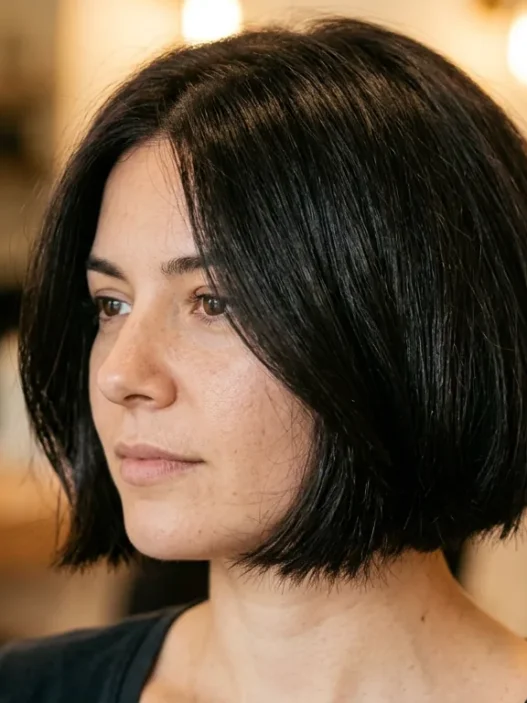
She is wearing the polished version so well, with that clean center part and glossy ends that still move. I get that same look for about three hours, then mine wants to separate, which I have learned to like. A quick shake at the roots brings it back. What I appreciate most is how office-friendly this one is. It reads as a neat short cut from the front, then surprises you with texture when she turns. I wore it to parent-teacher conferences and to a concert in the same week and felt right both times.
If you heat-style often, use protection and keep the iron at a lower temp. Shaggy ends show damage fast, and a fresh trim will always beat more product for me.
Short Shag Questions That Land in My DMs
Will a short shag work if my hair is very fine?
Yes, if the layers stay high and the perimeter stays solid. Ask for interior texture instead of short, all-over layers, and keep the length at or just below the jaw to fake density.
How often do I actually need a trim?
For me it is every 8-10 weeks for the shape, with a quick fringe tidy around week five. The shaggy texture hides grow-out well, so you can stretch it longer than a blunt bob.
Can I air-dry a shag or do I need to blow it out?
You can absolutely air-dry. I do most days. The trick is to set your part and fringe while damp, then leave it alone. Touching it while it dries creates frizz for me every single time.
What should I ask for at the salon?
Bring two photos, one front and one side, and name the decade vibe you like. Then say what you will not do daily. My magic sentence is I will not round-brush every day, so please cut it to air-dry.
What all nine share is pretty simple for me. A strong outline borrowed from another decade, plus one modern edit that makes it low-key. None of them need daily heat. All of them look better with a little movement. Pick the era you keep saving, tell your stylist the one tweak, and let your hair do its thing. I will be over here still wearing the 1991 one.