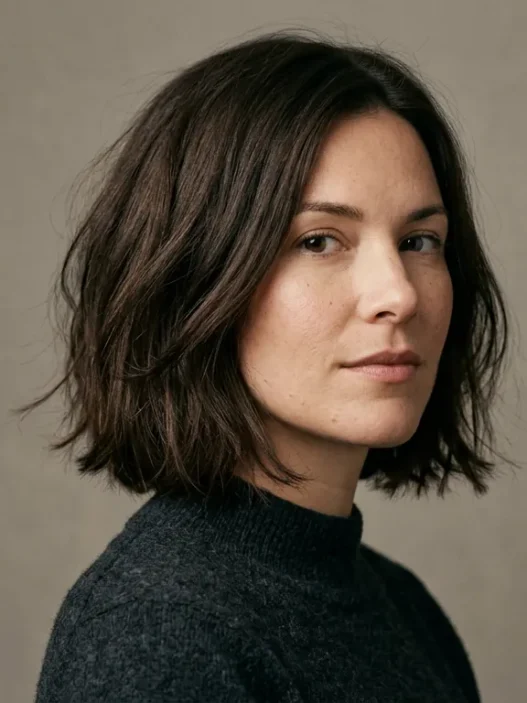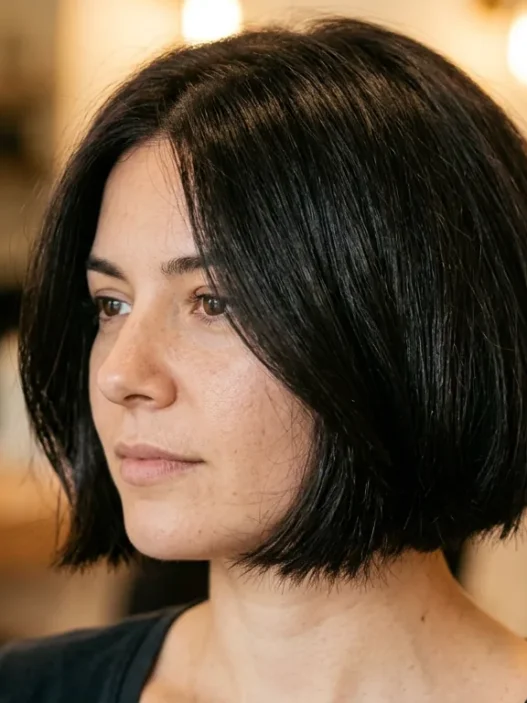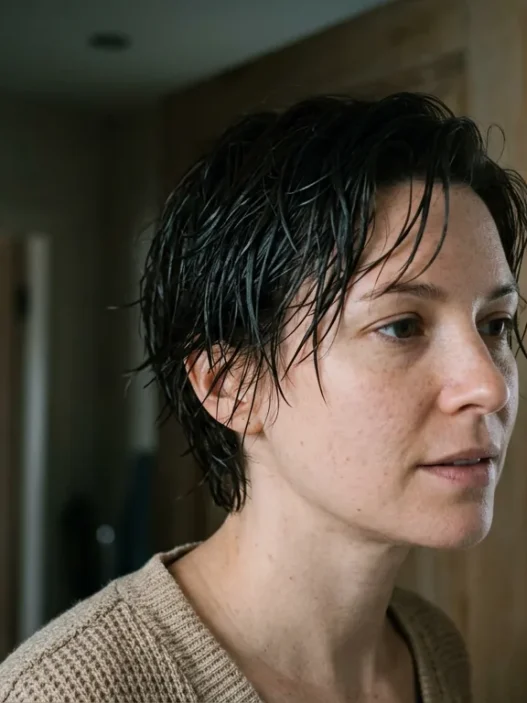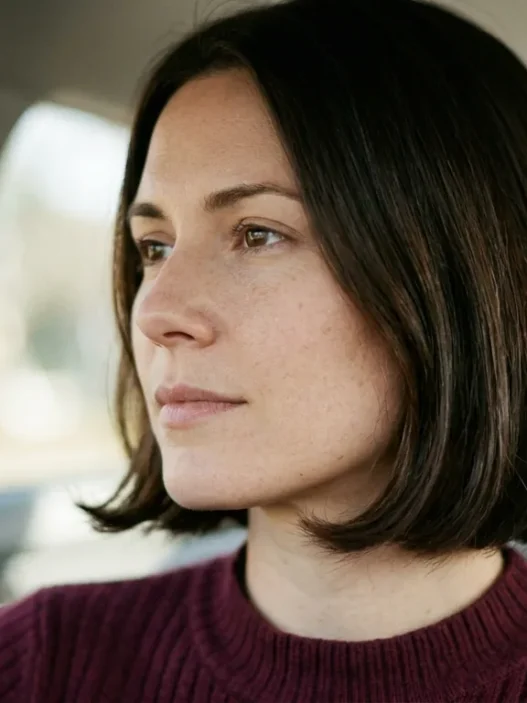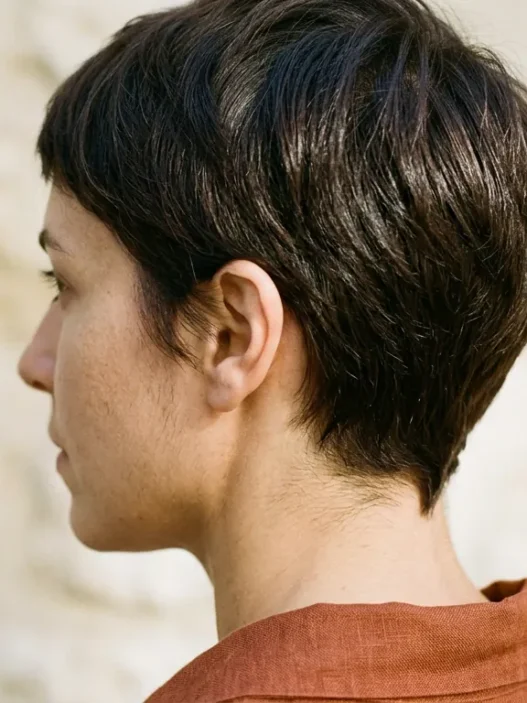







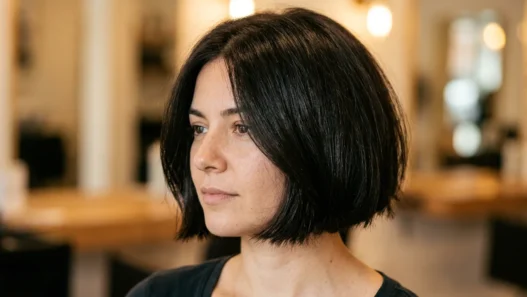

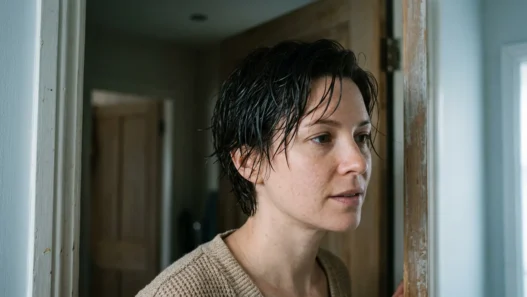


I booked my first shag on a whim, which is how most good hair decisions happen. The stylist called it a “medium shag cut” and I nodded like I knew exactly what she meant. What came out of that chair was something I hadn’t expected — volume, movement, and absolutely zero effort on dry days. I’ve been chasing that feeling ever since, and the version available right now in 2026 is genuinely the closest I’ve come to getting it back.
What This Post Covers — Jump Ahead If You Like
Where It Started
The shag as we know it belongs to the early 1970s. Jane Fonda made it famous on screen in Klute in 1971, and suddenly everyone wanted that chopped, layered, face-framing thing that looked like it had been cut in a hurry and still managed to look incredible. The cut was built around heavy, blunt layers that started high — sometimes from the crown — and fell in chunks toward the chin or collarbone. Curtain bangs or a wispy fringe almost always came with it. There was nothing polished about it and that was entirely the point.
For medium-length hair specifically, this original format was particularly brilliant. The layers sat between the chin and the shoulder, which meant the cut had enough length to show real movement but enough removal to avoid the flat, heavy drape that medium hair so often defaults to without intervention. The shag solved a problem that straight cuts at that length couldn’t — it gave the hair a reason to move. Stylists were doing things with razors and thinning shears that felt almost reckless but produced results that blow-dry-only cuts simply couldn’t match.
It wasn’t a low-maintenance cut in the way we’d define that now. Women in the ’70s used rollers and hot irons and dedicated actual time to it. But the shape forgave a lot. Grow it out for three weeks and it still looked intentional. That built-in forgiveness is something the cut never really lost, through any of its returns.

The First Return
The shag came back in the late 1990s and early 2000s, and this version was messier, thinner-looking, and heavily influenced by the grunge hangover that was still working its way through mainstream culture. The razor became the dominant tool. Stylists would take out more weight than felt safe, and the result was a feathered, almost brittle-looking texture that worked brilliantly on fine hair but could go wrong fast on anything thicker.
This first return also brought the shag closer to the bob. The mid-length shag of the early 2000s often had a shorter back and longer front — an A-line thing happening beneath all those layers. It flattered oval and heart-shaped faces especially well because the longer front pieces drew the eye down. But it was unforgiving on rounder face shapes in a way the original wasn’t, because the volume often sat wide rather than tall. If you’ve got a rounder face and you’re nervous about this, I’d point you toward what I’ve written about short haircuts for round faces — the principle of where volume lands applies just as much at medium length.
The ’90s-to-’00s version was also aggressively styled. Straightening irons were everywhere and the ideal was a sleek, piece-y look where individual layers were flat-ironed apart from each other. It looked sharp in photos and required about forty-five minutes every morning. Calling it low-maintenance would be laughable. But the bones of the cut — that high-starting layering, that face-framing front — were still there, still doing the structural work even under all that product and heat.

The Second Return
This is the one most people remember because it happened loudly and very recently — from around 2020 onward, when everyone suddenly had time to think about their hair and not much opportunity to get it cut. The shag came roaring back, and this time it arrived wearing a completely different uniform. Textured, wavy, air-dried, and proudly imprecise. The wolfcut appeared as a cousin. TikTok haircut tutorials proliferated. And the medium-length shag specifically became the thing stylists were asked for most.
What was genuinely different this time was the intention around texture. Previous versions of the shag treated waves and curls as something to manage or press out. This second return leaned into them. Stylists started cutting shags specifically to encourage the hair’s natural movement — less razoring, more point-cutting and slide-cutting. The layers were placed to create curl clumps on wavy hair and springy ringlets on curlier textures. For women with naturally wavy or slightly coarse hair, this was a revelation. I remember seeing a friend’s mid-length shag fresh off a diffuser and genuinely not believing she hadn’t touched it with anything.
There’s an important caveat here, though, and it’s one I feel strongly about: fine hair and the second-return shag had a complicated relationship. The razor work that made thick hair look beautifully piece-y could leave fine hair looking thin and stringy at the ends. This is a version of the layering problem I’ve talked about before — the wrong technique on fine hair removes weight in exactly the places you need it most. If your hair falls into this category, the piece on mid length haircuts for fine hair and the layering that ruins it is required reading before you book anything.

The second return was also when the shag finally earned its “low-maintenance” reputation honestly. Not because it required nothing, but because the styling routine became genuinely minimal — scrunch in a little mousse or cream, air dry or diffuse, done. The cut was designed to air-dry well in a way previous versions weren’t. That’s not a small thing. For anyone who’d spent years believing that medium length hair required heat tools to look intentional, this was a shift.
For a broader look at how cuts like this fit into a genuinely minimal routine, my post on the honest version of the low-maintenance haircut gets into why the shag keeps making this list and what that actually means day-to-day.

Where It Sits Now
In 2026, the medium length shag haircut has settled into something that feels less trend-driven and more like a permanent fixture of the style vocabulary. It doesn’t need a celebrity moment to justify it anymore. And the current version is, honestly, the most refined the cut has ever been.
Here’s what I see happening in salons right now, and what I think is genuinely worth knowing:
- The layers start lower. Rather than chopping from the crown like the original ’70s cut, stylists are placing the highest layer around the temples or cheekbones. This creates the same movement without the poof at the top that can read as dated.
- The fringe is optional and not assumed. Earlier versions practically required some form of bang. Now the shag works just as well swept back or with a grown-out, side-parted fringe. The face-framing pieces do the work instead.
- Texture is baked in at the cut stage, not added after. The best stylists using this shape right now are point cutting for texture and using scissors-over-comb techniques rather than reaching for the razor automatically.
- It’s genuinely multi-texture friendly. Straight, wavy, and lightly curly hair all get excellent results. Very tightly coiled hair tends to work better with a modified version where layers are placed more conservatively.
- The grow-out is better. Because the layering isn’t as aggressive, there’s no hard line that telegraphs “this was trimmed eight weeks ago.” It blurs out more naturally.
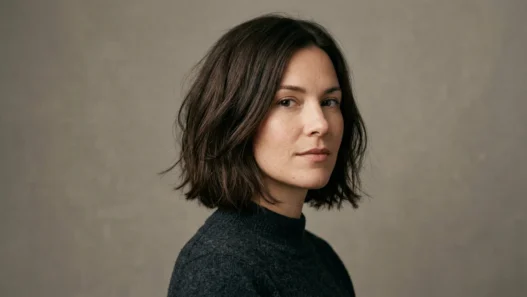
Look at the woman in the photo above — see how the layers fall into each other rather than sitting in obvious steps? That seamless drop is what distinguishes a well-executed 2026 shag from the choppier, more deconstructed versions that came before. She hasn’t styled it aggressively. The cut is doing almost all of the visual work.

I want to say something that might be slightly unpopular: I think the shag is often recommended to the wrong women. You’ll see it listed as a cut for “any face shape” and “any hair type” and while those statements aren’t false exactly, they flatten a lot of nuance. The shag at medium length is genuinely excellent for oval faces, long faces, and heart-shaped faces. For very round faces with shorter necks, I’d think carefully about where the widest layer sits. And for women with fine, flat hair, I’d honestly consider whether a well-structured bob might do more without the risk of thin-looking ends. There are some genuinely brilliant low-maintenance bobs for women that deliver similar movement without the same demands on texture.
That said — when the shag is right for someone, it is spectacularly right. I’ve seen it transform medium-length hair from its most forgettable phase into its most interesting one. The layers that seem decorative are actually engineering. They redirect weight, create spring, and give the hair a visual story it simply doesn’t have when it’s all one length.
Worth knowing if you’re older and looking at this cut: the shag sits beautifully on women in their fifties and beyond. The layering adds volume that often diminishes with age, and the softer version of the cut that’s popular now — with face-framing pieces rather than a blunt fringe — tends to be more flattering than a harder shape. There’s a reason stylists who specialize in cuts for older clients keep coming back to it. If this is your territory, the piece on short haircuts for women over 50 that hold their shape is relevant for the same principles applied slightly shorter.
When you sit in that chair, bring a photo of the length you want and be specific about your texture. Tell your stylist how you actually dry your hair — not how you wish you dried it. The shag can be cut to air-dry beautifully, but only if your stylist knows that’s the goal from the start. And find someone who understands what asking for a shag haircut means for your specific hair, because the difference between a great shag and a bad one is almost entirely in the consultation.

Shag Haircut Questions I Keep Getting
How often does a medium shag need to be trimmed to stay in shape?
More often than most other medium-length cuts — every eight to ten weeks is honest. The layers lose their definition as the hair grows, and once the shortest ones get past a certain point, the whole shape starts collapsing. That said, the grow-out in between trims is actually quite graceful with the current version, which is a change from earlier shag iterations that looked obviously overgrown by week six.
Will a shag work if my hair is on the finer side?
It can, but it needs to be cut differently than it would for thick hair. Ask your stylist to go lighter on the razoring and focus on point-cutting instead. Keep the layers longer than you might see in reference photos — they should skim the ends, not remove dramatic amounts of weight. A shag that’s been over-thinned on fine hair looks stringy within two weeks of a trim, which is no one’s idea of fun.
Can you get a shag without bangs?
Absolutely yes, and honestly the no-fringe shag is having a real moment. The face-framing layers at the front do similar work to curtain bangs — they pull focus toward the cheekbones and give the cut its characteristic shape — without the commitment of actual bangs that need trimming every three weeks. If you’re bang-averse but want the look, this is your version.
Is the shag still considered trendy or has it peaked?
Here’s my honest take: it peaked as a trend but it hasn’t peaked as a cut, if that distinction makes sense. It’s moved from “everyone is talking about this” to “stylists just know how to do this really well now.” That’s actually a better place for it to be. Cuts that are past their hype moment get executed more thoughtfully because stylists aren’t rushing them out to meet demand.
What’s the difference between a shag and a wolf cut at medium length?
The wolf cut tends to have more dramatic volume at the crown and shorter layers that start higher — it’s a bit more ’70s rock band, a bit more statement. The medium-length shag as it’s understood now is more wearable and less architectural. Both have layers and face-framing pieces, but the shag blends more seamlessly. The wolf cut announces itself; the shag works quietly. If you’re trying to understand the difference between a shag and a wolf cut, it really comes down to layer placement and crown volume.
The medium shag has had a few lives now, and each one taught stylists something the next version used. Whatever comes after this one will probably borrow from all of them. But right now, in this particular moment, the shag medium length sits at its most refined and its most actually-wearable. If you’ve been considering it, this is probably the best time to book it. Ask questions, bring reference photos, and tell your stylist the truth about your morning routine. The rest is just scissors.