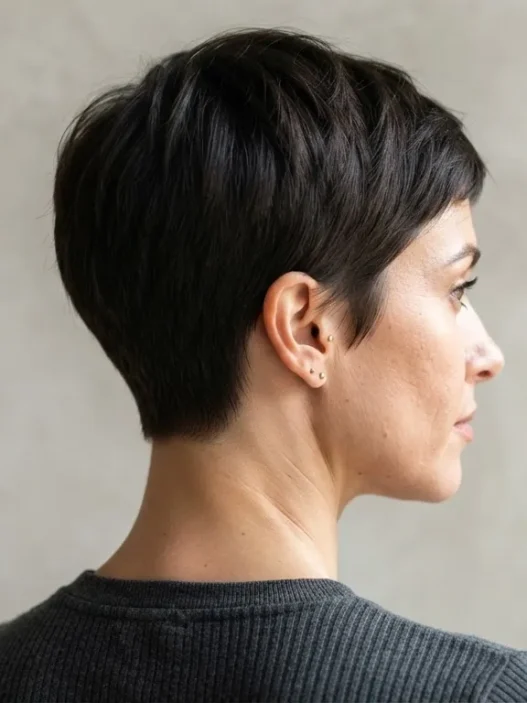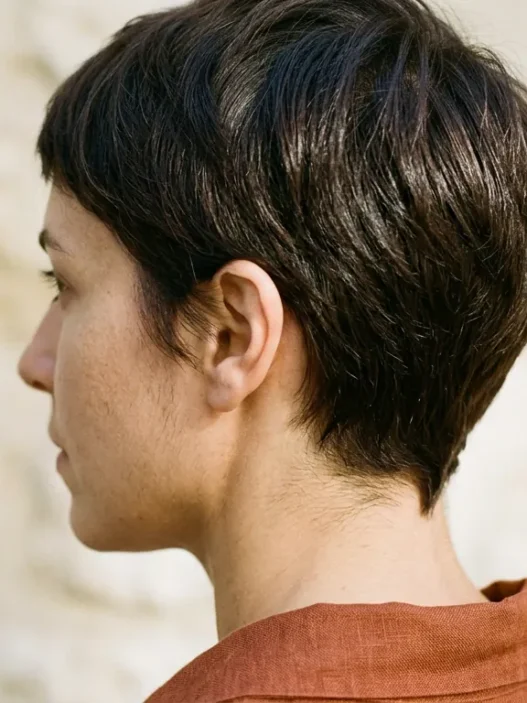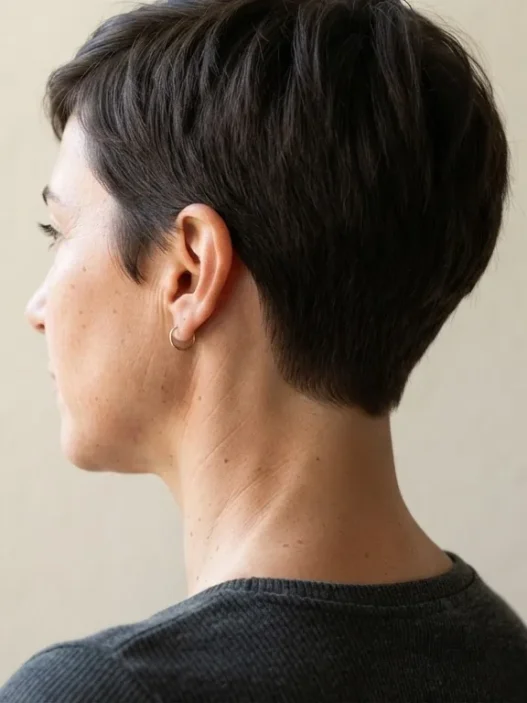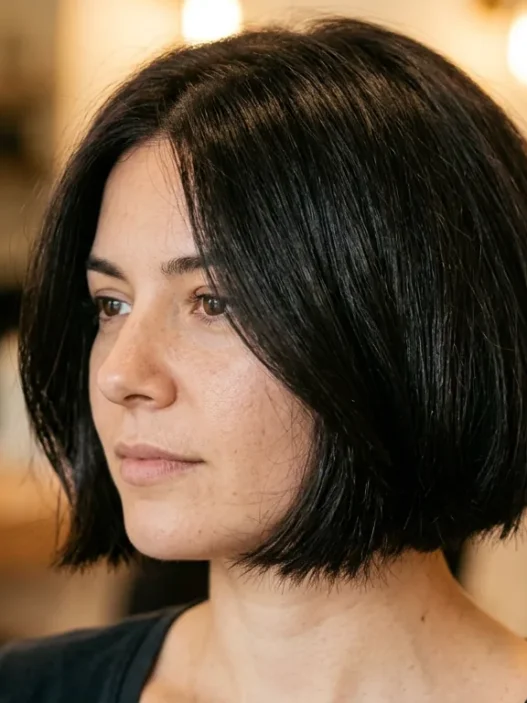









Getting an undercut pixie as your first short cut is a little like jumping into cold water — terrifying for about four seconds, then completely exhilarating. I keep this post updated because the question I get most often isn’t “will it suit me” — it’s “what does it actually look like as it grows?”
How This Cut Changes Week by Week
1. Week One
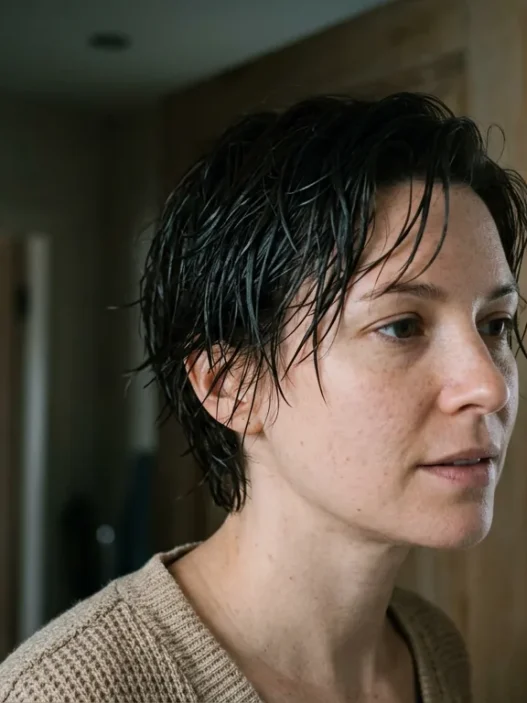
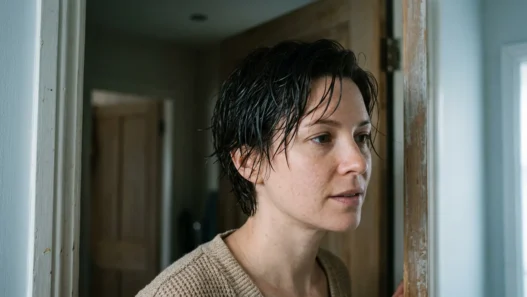
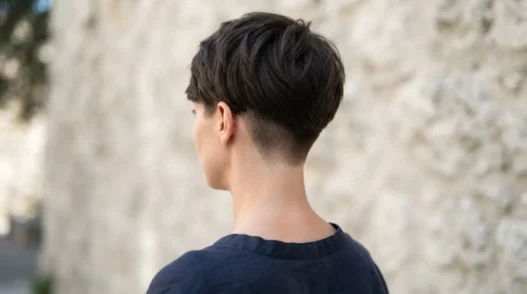
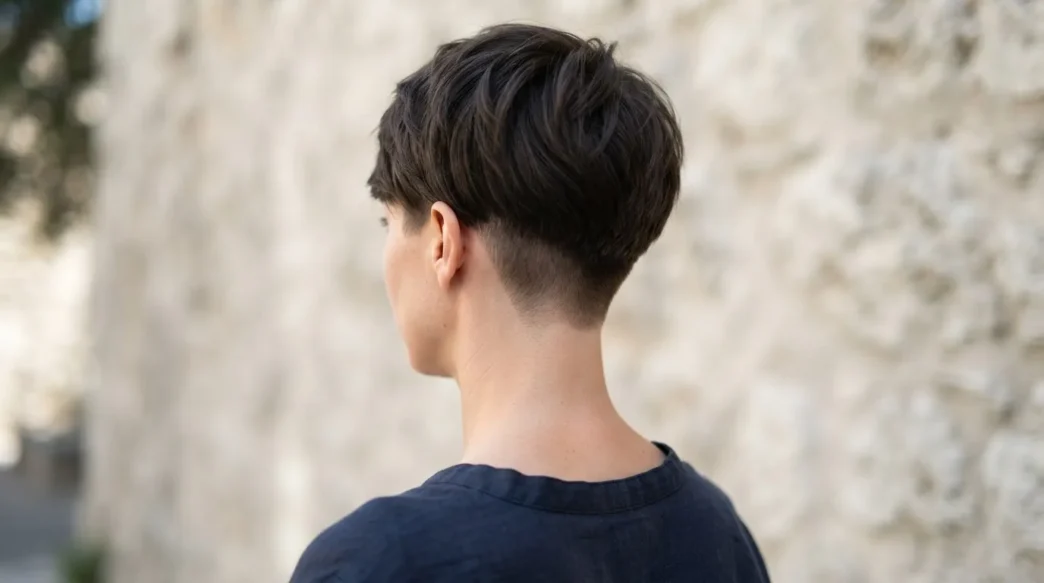
This is the version you walked out of the salon with — and honestly, it’s the most striking the cut will ever look. The undercut pixie at day one has that almost architectural quality: the sides and back are clipped close or even shaved, and the top has enough length to sweep, tuck, or ruffle depending on your texture. The nape is clean and sharp. Look at the photo above — she’s just had hers done, and you can see the exact moment where the taper fades into skin. That precise graduation is what separates a good undercut pixie from one that just looks like a bad bowl cut.
Week one is also the week most first-timers panic unnecessarily. Your neck feels cold. You keep reaching for a ponytail that isn’t there. This is normal. Give it seventy-two hours before you decide anything.
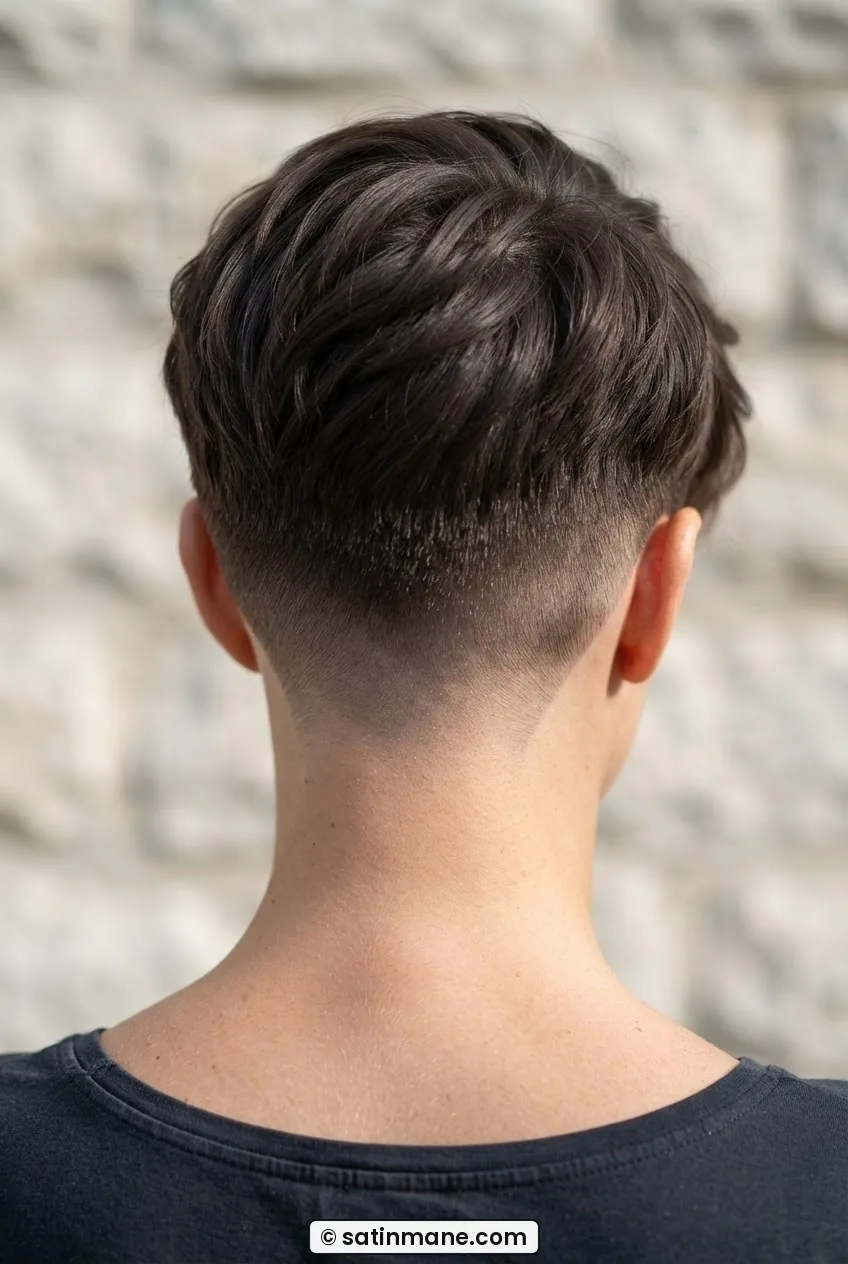
Styling at this stage is almost embarrassingly easy. A fingertip of pomade or a light wax worked through the top is genuinely all you need. If you have fine hair, this is actually one of its best moments — the weight that used to drag your strands flat is gone, and there’s suddenly volume where there never was before. For a full breakdown of why pixie cuts work especially well for fine textures, I’d recommend reading up on pixie cuts for fine hair before your appointment so you can have a smarter conversation with your stylist.
2. Week Three
Week three is the golden window. The initial sharpness has softened just enough to look lived-in rather than freshly barbered, but the undercut hasn’t grown out enough to get fuzzy yet. If anyone’s going to compliment your hair, it usually happens now.
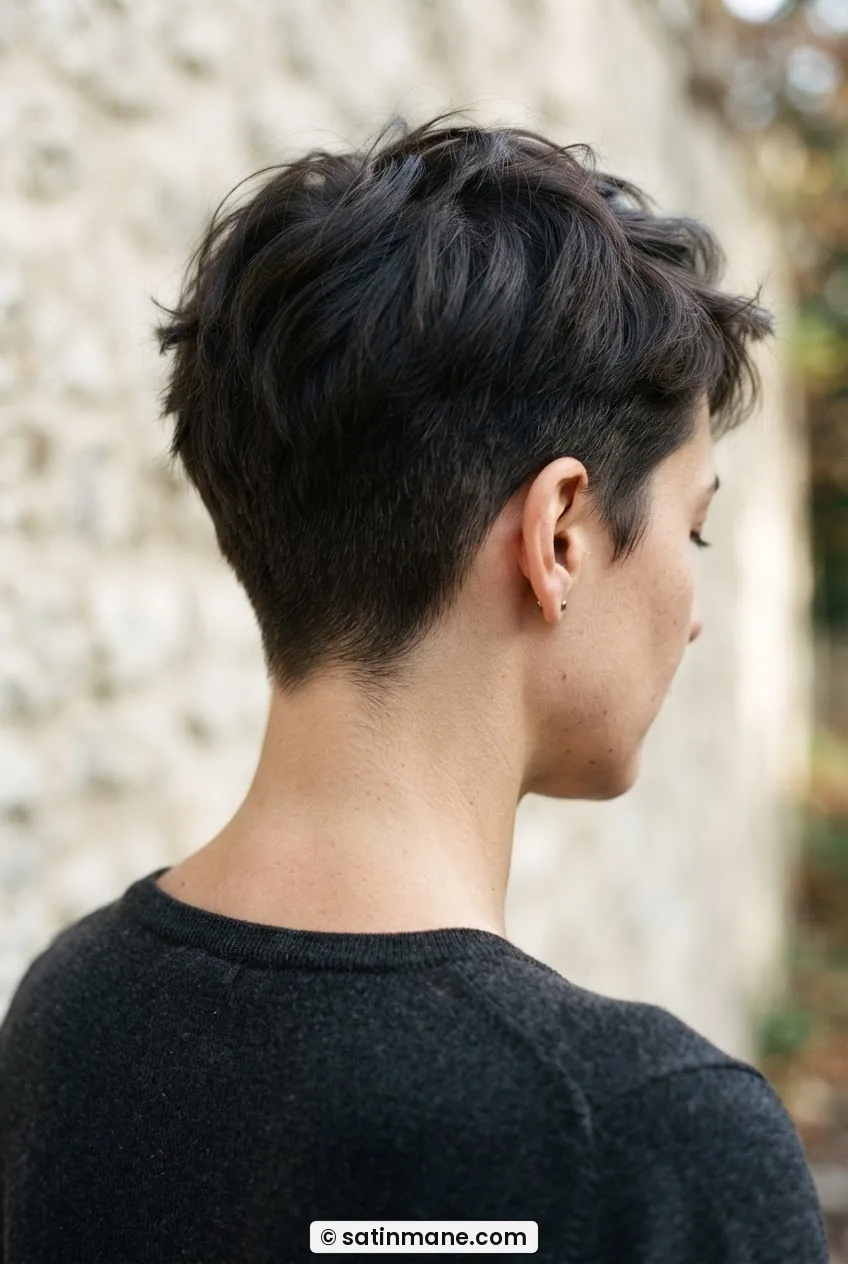
The nape starts to show the faintest shadow of regrowth — you can see it in good light, especially if you have dark hair. It doesn’t look bad. It looks like the cut is part of your life now, which is exactly what you want. The top, meanwhile, has just enough extra length to start doing slightly different things. A center part becomes possible. A side sweep gets more dramatic. If your hair has any natural wave, week three is when it starts to show up, and often it’s surprisingly nice.
My personal pick for the undercut pixie sweet spot is week three, every single time. The structure is still there, the skin-fade is still visible, and your face has had enough time to adjust to seeing yourself without all that hair. It’s the version I always photograph on clients before they leave.
One thing worth knowing: if you went with a hidden undercut — where the shaved section sits beneath a layer of longer hair — week three is when the two sections start to really interact. The top hair drops slightly over the undercut and you get that cool contrast of soft-over-shaved that makes this style so visually interesting. Styling a textured pixie is a great thing to know at this stage, because week three is when texture becomes your best friend.
A Trim Breakdown That Actually Makes Sense
3. Week Six
Six weeks in, the nape fuzz is real. It’s not catastrophic — it’s just noticeable in the way that sideburns on a man who hasn’t shaved in two weeks are noticeable. Whether this bothers you depends entirely on your texture and your tolerance. With very dark, coarse hair the shadow reads more strongly. With lighter or finer hair, it can look almost intentional — that fuzzy-nape aesthetic has actually been having a moment.
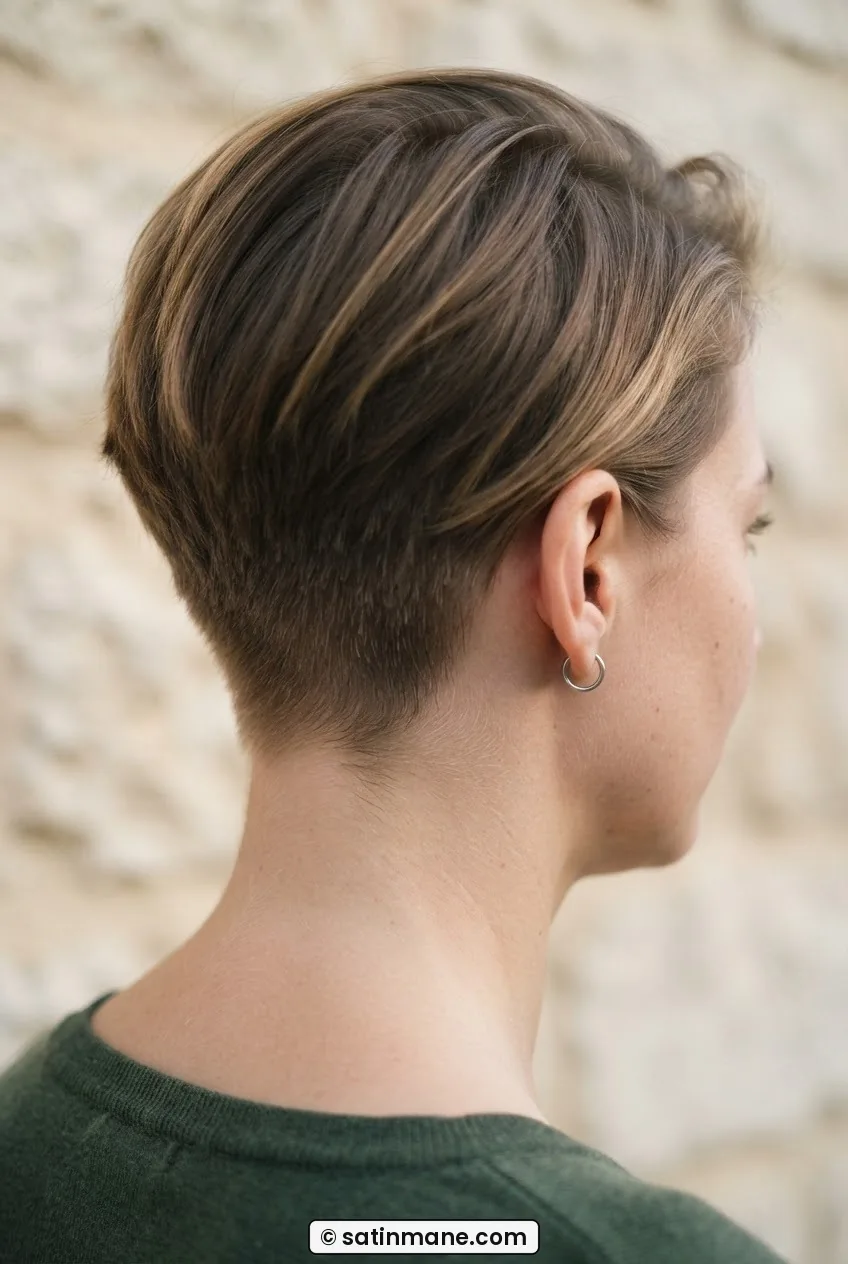
The top is now undeniably longer. You might be pushing it out of your eyes for the first time. This is the stage where a lot of first-timers start googling “growing out a pixie” in mild alarm — but I’d encourage you to hold on. This is not the awkward stage yet. The awkward stage is still weeks away, and there are good options when you get there. For now, the extra length on top is actually an asset: it gives your stylist more to work with at your next trim if you want to shift the shape, and it makes the cut look softer and more feminine if that’s a direction you’re curious about.
Week six is also usually when people book their first maintenance appointment, which feels right. A quick cleanup of the nape — not a full restyle, just a tidy — makes an enormous difference and costs almost nothing in either time or money.
4. Week Nine
This is where things get interesting — and I mean that in both the good and slightly stressful sense. Nine weeks out, the undercut has grown enough that the contrast between the shaved section and the top is more pronounced. If you had a dramatic skin fade, it now looks more like a tapered pixie with a short back and sides than a true shaved undercut. Some people love this evolution. Others find it looks unintentionally overgrown.
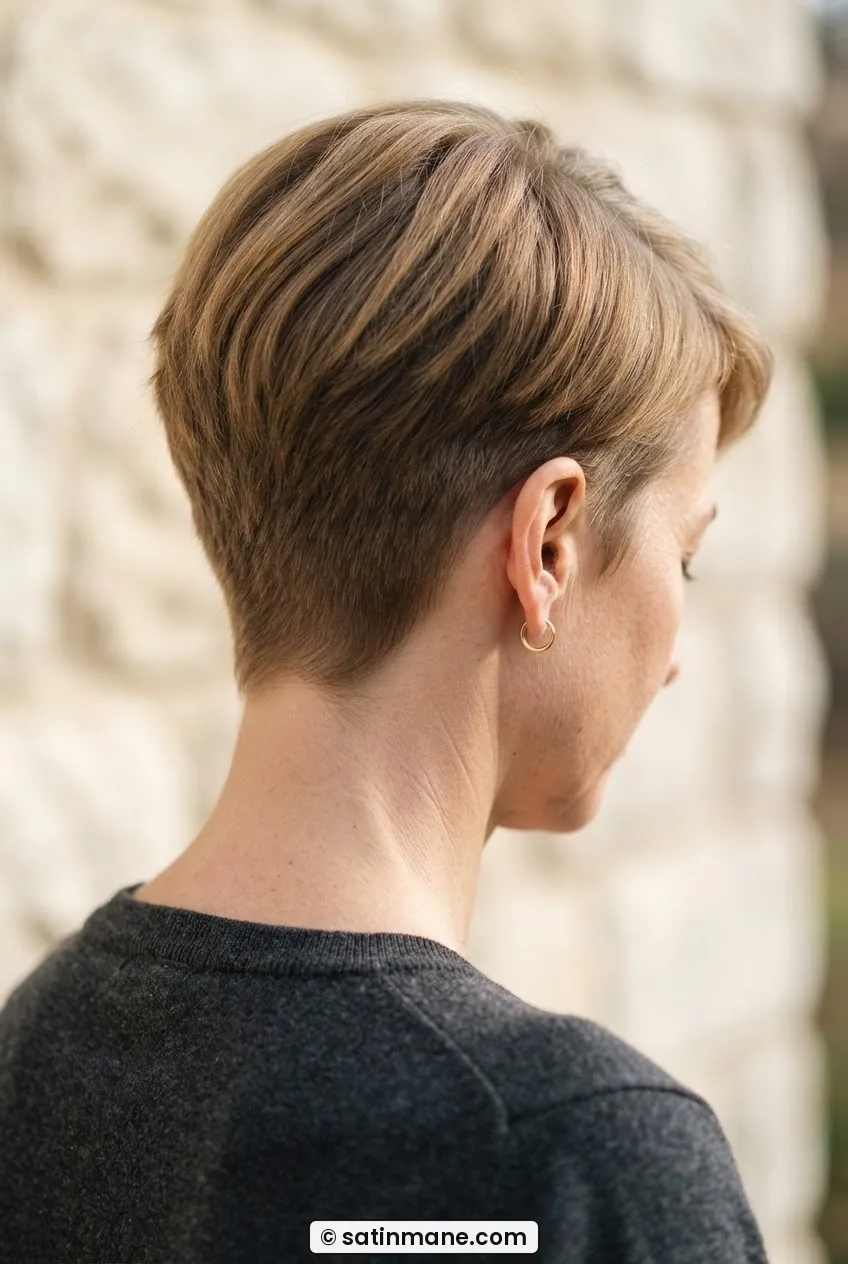
Here’s what I’ve noticed: women who styled their hair every morning at week one often start air-drying at week nine, and surprisingly it still works. The added weight and length actually calm down the top section if your hair is on the thicker or wavier side. The silhouette gets rounder and softer. Whether that’s better or worse is genuinely a personal call.
If your face is round, week nine can feel like a tricky moment — the extra volume at the sides from the growing-out undercut can visually widen things. I’ve written a longer piece on short haircuts for round faces that’s worth a read at this point, because a small styling adjustment (more height on top, product to flatten the sides slightly) can completely fix the proportions without needing a rebook.
5. Week Twelve
Three months. The cut has lived a whole season. At week twelve, you’re technically in grown-out territory — but “grown out” doesn’t mean what most people think it means. The shape is softer. The undercut is now closer to a tapered pixie than a shaved-side pixie. The back of the neck has that tucked-behind-the-ear quality if you have any length around the ears at all.
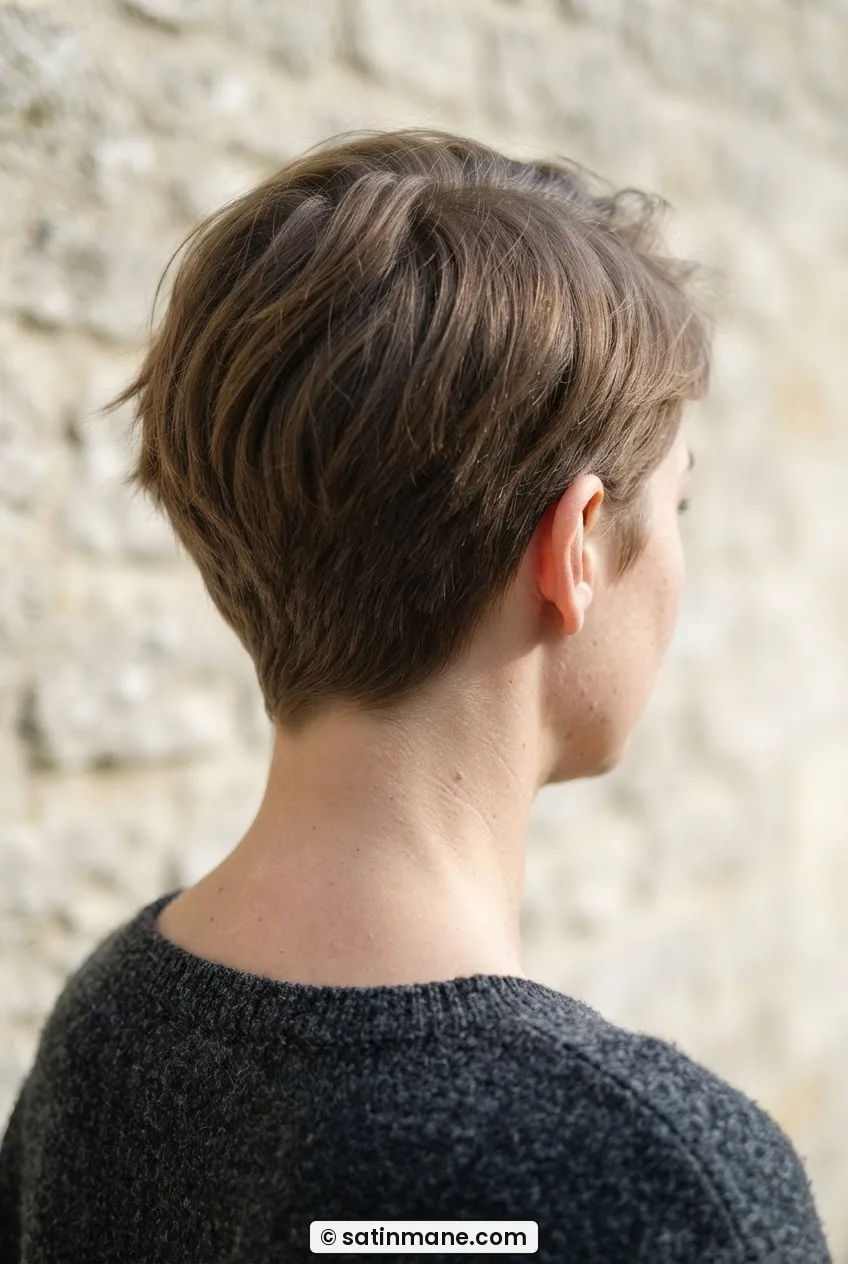
What’s genuinely lovely about week twelve is that it’s the stage where people who were unsure about short hair start to feel properly at home in it. The novelty-shock of week one has long passed. This is just your hair now. And there’s something quietly wonderful about that.
If you’ve decided short hair is your thing for the long haul, week twelve is a great point to have a proper consultation with your stylist about what direction you want to go — sharper undercut again, or shift into a soft tapered pixie. You’ve now got enough information about how your specific hair grows to have that conversation properly. If you’re on the fence about maintaining short hair versus starting to let it grow, the resource I always recommend is what nobody tells you about hairstyles for short hair — it covers both sides honestly without the usual sales pitch for either direction.
Week twelve is also when the undercut section, if left untrimmed, starts to look noticeably different from a traditional pixie. The maintaining an undercut between appointments question becomes very relevant around now, especially if salon visits aren’t frequent.
6. When It Stops Working
The undercut pixie stops working at different times for different people, and the honest answer is: you’ll feel it before you can articulate it. The nape starts bunching rather than lying flat. The top gets long enough that it needs to be pinned or styled into submission rather than just ruffled and left. The undercut section has grown out enough that it’s not an undercut anymore — it’s just short sides, and the whole silhouette goes a bit shapeless.
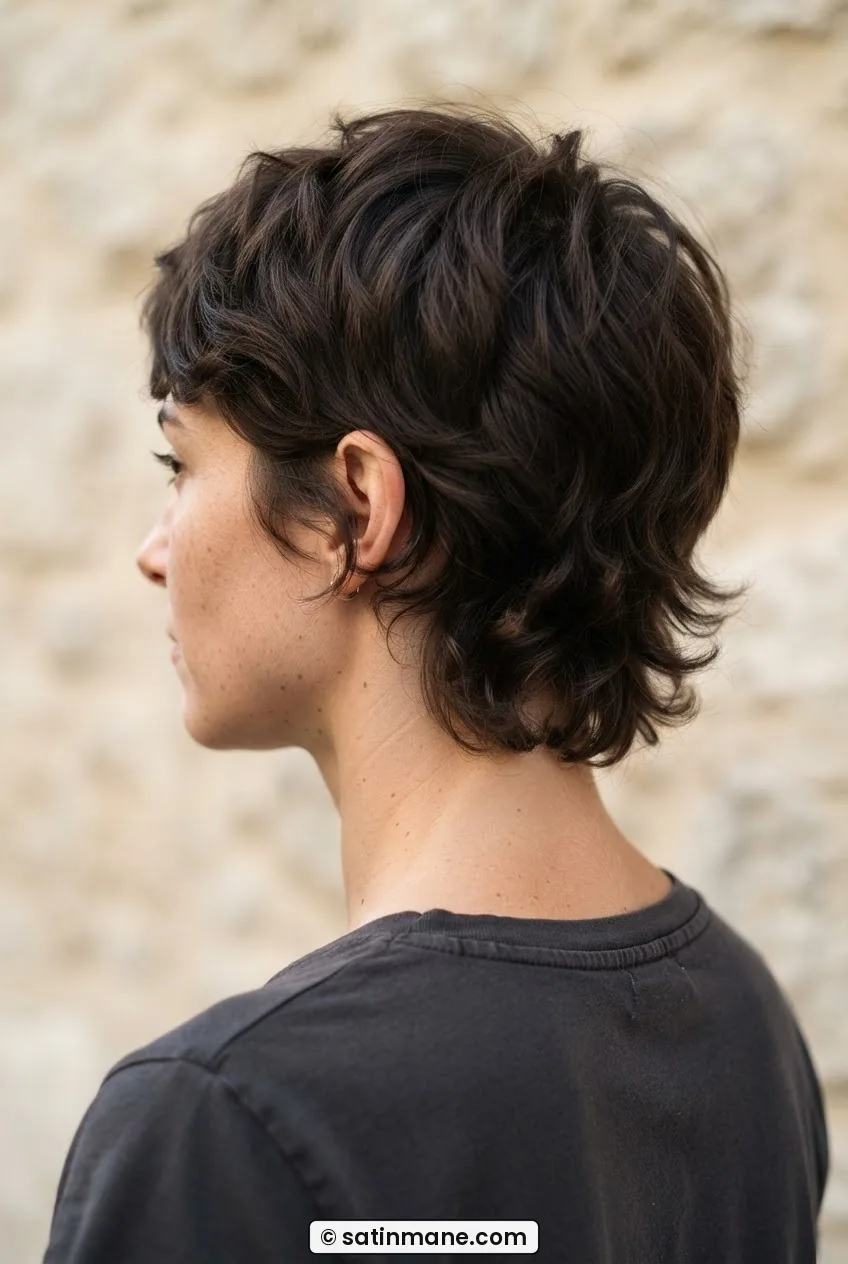
For most people with average growth rates, this happens somewhere between week ten and week fourteen. For some — particularly women with very fast-growing, coarse hair — it can happen as early as week eight. For fine-haired women, the cut can stay looking intentional for sixteen weeks or beyond, because the finer texture doesn’t bulk up as obviously.
At this point, you have two clean choices. Option one: rebook and reset — go back to the crisp undercut pixie you started with. This is the choice for people who’ve decided this is their signature cut. Option two: start growing intentionally, which is its own skill. The process of growing out a pixie has a surprisingly good reputation once people know what to actually do at each stage — it’s nowhere near as terrible as the internet would have you believe. And if you’re a woman over fifty who’s been wondering whether the maintenance of a short cut is worth it long-term, I’d also point you toward this honest take on short haircuts for women over 50, which addresses the upkeep question directly.
Either path is a good one. The wrong move is just letting it grow shapeless by default without making a choice — because that’s the only version of this cut that genuinely doesn’t look good.
Questions I Get About This
How often do I need to get the undercut pixie trimmed to keep it looking right?
For most women, every six to eight weeks keeps the undercut section looking intentional rather than grown-out. If you have a very defined skin fade, you might want a quick nape cleanup at four weeks — it’s a fifteen-minute appointment and makes a huge difference. The top section can usually go longer between full trims.
Will an undercut pixie work on curly or wavy hair?
Yes — actually brilliantly. Curly and wavy textures tend to look fantastic with an undercut because the contrast between the tight, close-cut sides and the coiled or waved top is visually dramatic in a great way. The key is finding a stylist who cuts curly hair when it’s dry, so they can see how your curl pattern will actually sit. Wet-cut undercut pixies on curly hair are how bad surprises happen.
Is there a face shape that shouldn’t do an undercut pixie?
Genuinely, no face shape is off the table — but the placement of the undercut can be adjusted to flatter different features. On a round face, keeping more length on top and making sure the undercut doesn’t start too high up the sides makes a real difference. On an oblong or long face, a slightly fuller side profile actually helps. It’s a conversation to have with your stylist about placement, not a cut to avoid entirely.
What’s the difference between a tapered pixie and an undercut pixie?
A tapered pixie graduates from longer to shorter as it moves down toward the nape, but the hair is never fully shaved or removed — it just gets progressively shorter. An undercut pixie has a section where the hair is clipped very close or shaved entirely, creating a more visible contrast with the longer top. As an undercut pixie grows out, it starts to look like a tapered pixie — which is why the two terms get used interchangeably around week eight or nine.
That’s the full week-by-week honest account. If you’re standing on the edge of booking your first short cut, the thing I want you to take from this is that the undercut pixie isn’t a one-moment haircut — it’s a shape-shifter, and almost every stage of it is actually wearable if you know what to expect. The only bad version is the one nobody told you was coming.