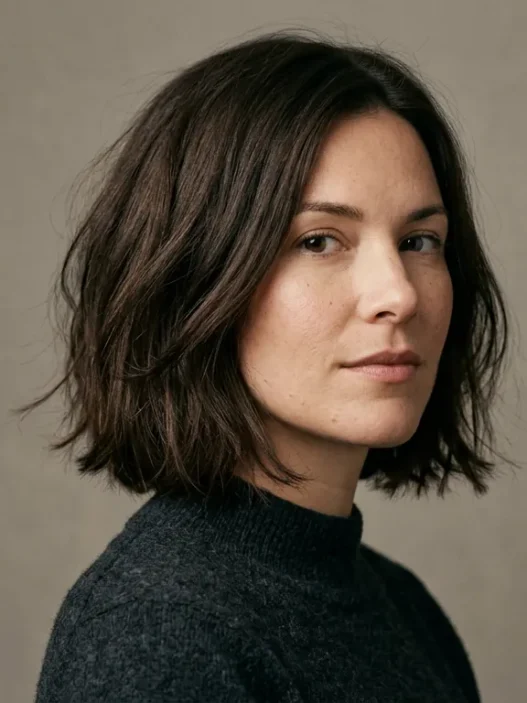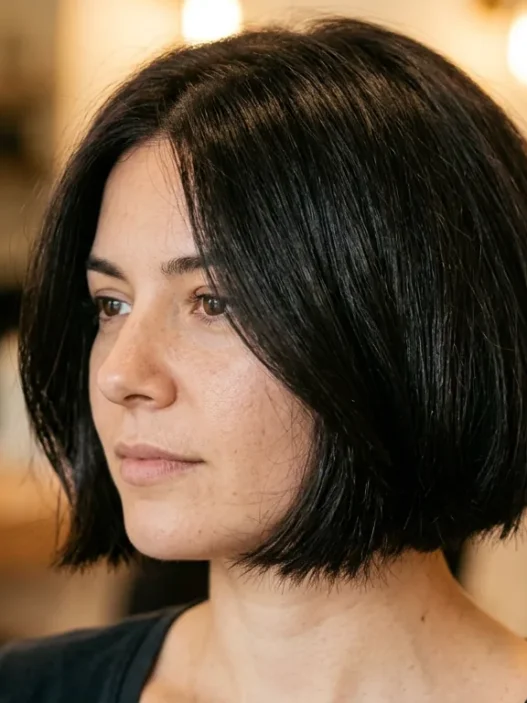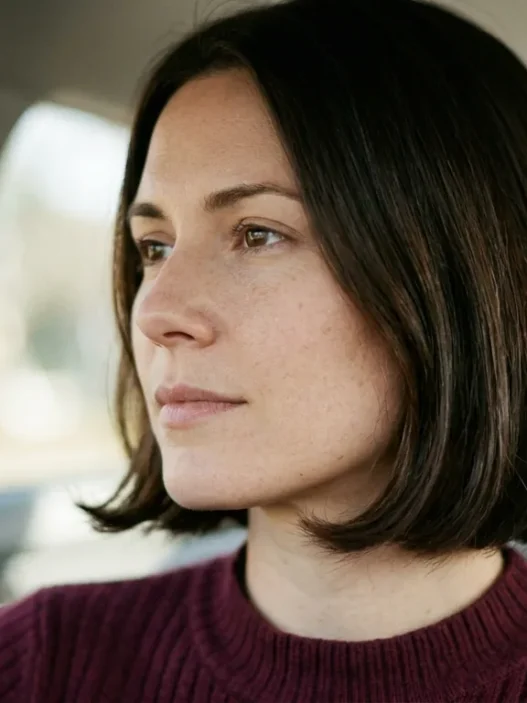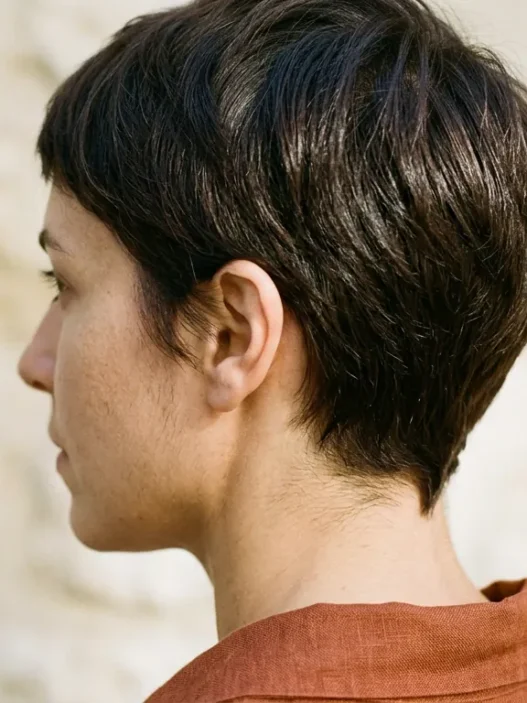






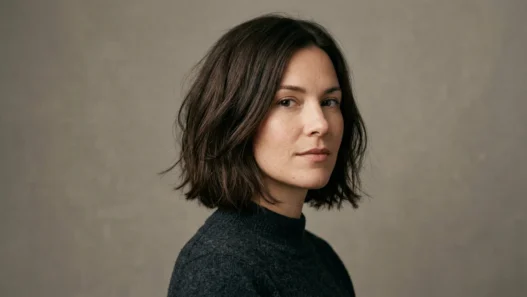

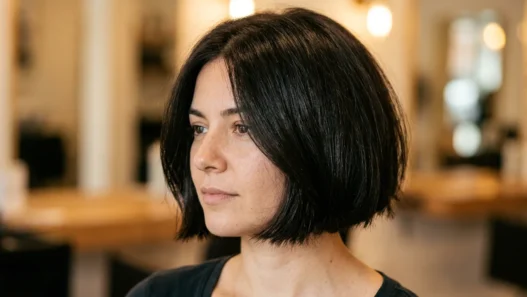

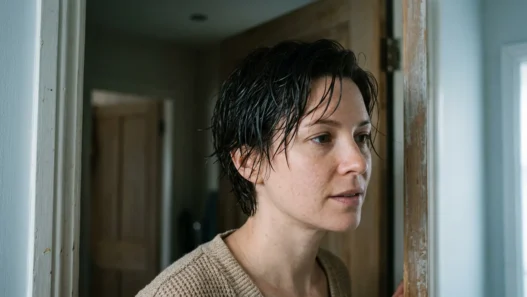


Every shag I’ve ever loved was borrowed from somewhere. A musician in a 1971 tour photo, a film still from 1993, a screenshot I took in a cinema lobby in 2019 because the actress’s hair was doing something I couldn’t explain but desperately wanted. The shape has always been around — it just keeps getting picked up, dusted off, and handed to a new generation with one detail changed. That’s actually what I find most useful about it: there’s a version for almost every hair texture, face shape, and schedule, because someone across fifty years of hairdressing has already worked the problem. Below are twelve of those versions, each named for the era it came from and the one update that makes it wearable right now.
Twelve Shags, Twelve Eras — Where to Start
1. The 1971 One
This is the original: collarbone-length, curtain fringe, layers that start almost at the crown and tumble down in big, heavy ribbons. The seventies version was all volume — your hair looked like it had opinions. The one change that brings it to 2026 is a softer perimeter. Instead of the blunt, feathered edge, the ends are point-cut so the outline dissolves a little rather than announcing itself. That small adjustment means it air-dries without looking like a costume. If your hair is medium-thick and naturally straight, this is a genuinely low-effort shape — the layers move without asking anything of you.

2. The 1974 One
Shorter than its predecessor. This one sits at the jaw on the sides, longer at the back — a shape that was called a shag then and would be called a wolf cut now, though honestly there isn’t much difference. The thing that dated the original was the width: all that side volume pushed the silhouette outward and suited a decade that liked things big. The update is simple — the side layers are cut a touch closer to the face, which lengthens the overall shape. If you have a rounder face and you’ve been nervous about short shag haircuts, this is the one I’d point you toward first. See how her face reads as longer in the photo? The layers are doing that quietly without making a fuss.
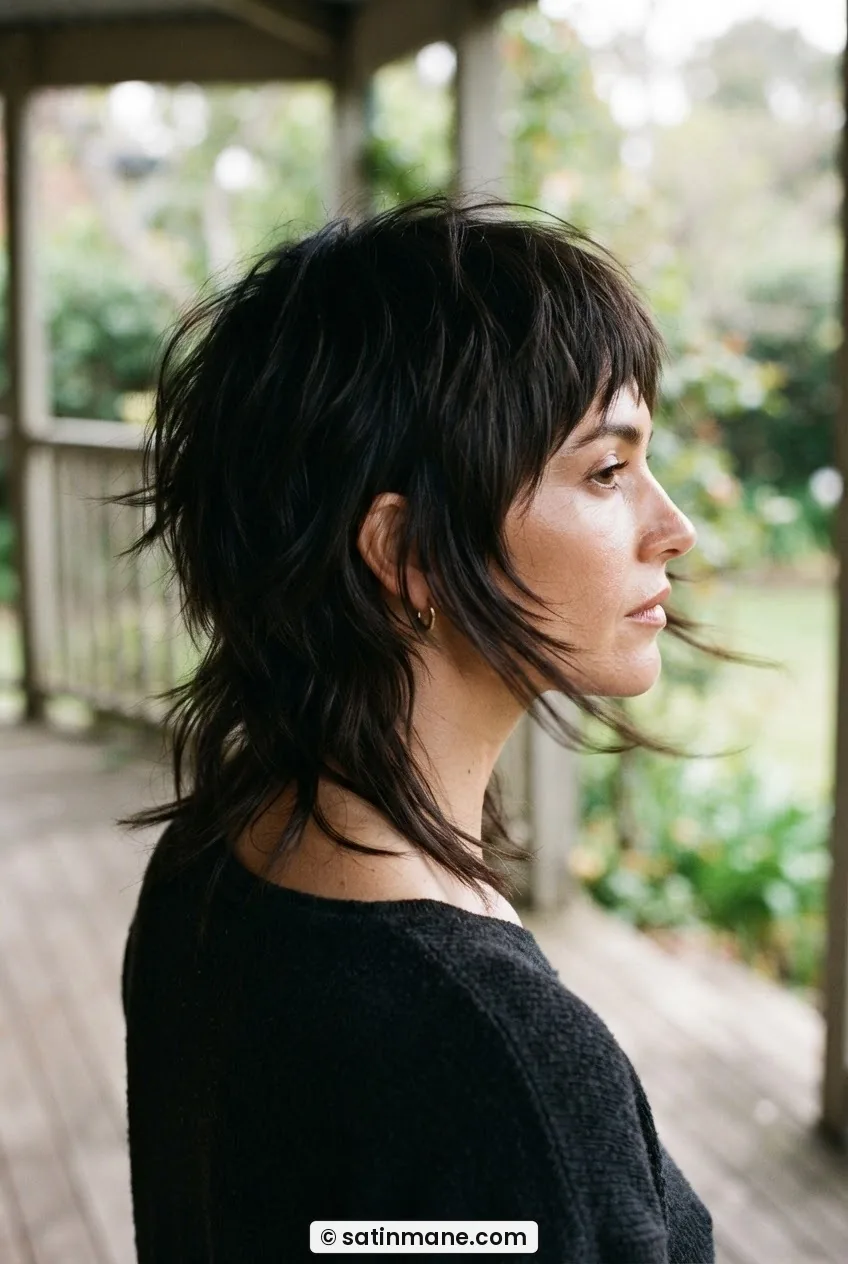
Round face types especially benefit from this — I’ve written more on that in the context of short haircuts for round faces, but the jaw-length shag belongs in that conversation.
3. The 1977 One
Late-decade and looser. By 1977 the shag had softened slightly — less structured, a little more undone. The fringe got longer and started to merge into the face-framing pieces rather than sitting as a separate curtain. That blended fringe is exactly what makes this version work on wavy hair in 2026, because it doesn’t fight the wave. You’re not trying to keep a fringe flat; it moves with the rest of the hair. The one update here is removing the solid weight line at the bottom entirely. The perimeter is all point-cut — sometimes called a choppy shag — and the result is a shape that could dry in a towel and still look like you thought about it.

4. The 1983 One
The eighties shag was more aggressive. Higher layers, more obvious graduation, and usually more product than any of us want to use on a Tuesday morning. But underneath all that mousse there was a genuinely useful structure: a lot of internal layering that removed bulk without removing length. For thick hair, that’s still the most practical thing a haircut can do. The 2026 version keeps all that interior work and quietly drops the perm and the product. What you’re left with is a shoulder-length shape with serious layer density — hair that dries faster, moves better, and stops sitting like a solid block on the shoulders. If thick hair is your whole situation, understanding how layers manage thickness before your appointment will help you brief your stylist properly.

5. The 1988 One
This is the one that went rock adjacent. Longer, mid-back-ish, with very defined layers and usually a side part that did most of the heavy lifting. The shape was always dramatic, and the drama hasn’t been removed — it’s just been repositioned. The 2026 adjustment is a softer fringe situation. Rather than the blunt, side-swept piece that dominated, the face-framing layers are cut longer and more gradually so they blend into the length. The result reads as a boho shag haircut now rather than anything that needs a decade-specific reference. Long wavy or lightly curly hair responds beautifully to this structure because the layers encourage natural movement and nothing needs to be heat-styled to make sense.

6. The 1993 One
Grunge killed the helmet hair of the late eighties and the shag came back messier. The 1993 version was often chin to shoulder, extremely layered, and styled by running fingers through it and walking out the door. Which is, frankly, still a valid approach. The thing that needed updating was the amount of disconnection — pieces were sometimes so separated they looked like the stylist got bored and stopped. The current version connects the layers more gradually, so the overall shape reads as intentional rather than interrupted. This is the version I find myself recommending most often to people who say they want something low-maintenance and slightly edgy. It’s the most direct ancestor of what’s being called the textured shag haircut right now.

My personal pick is actually this one — the 1993 structure with the connections smoothed out. I had it at shoulder length for most of last year and I genuinely stopped thinking about my hair in the morning. It dried into something that looked styled while I was making coffee. No diffuser, no scrunching, no product beyond a tiny amount of cream through the ends. If I had to steer everyone toward a single shag haircut, this is the one.
7. The 1997 One
Late nineties softened the shag considerably. The layers got less aggressive, the fringe often disappeared, and the overall shape was more of a long layered cut with attitude than a full structural shag. It also became the go-to for fine hair, because the layering gave the illusion of thickness without actually requiring any. That’s still its best application. For fine-haired women, how a shag cut adds body to fine hair is worth reading before you book — the cut can do a lot of the work your product has been failing to do. The 2026 version adds slightly more definition around the face than the nineties allowed. Just enough that the shape doesn’t disappear when the hair is freshly washed and flat.

Fine hair is also really well served by a good short shag or a textured bob — I covered this thoroughly in the context of short hairstyles for fine hair if you want the full rundown before deciding on length.
8. The 2001 One
Early 2000s brought the shag to its most polished moment. It got blow-dried into submission, the layers were very precise, and the fringe was almost architectural. Not particularly low-maintenance. But the underlying shape — a lot of graduation through the mid-lengths, very little weight at the bottom — was genuinely excellent. The 2026 update is simply to stop blow-drying it. The structure that was designed to be styled straight actually air-dries into a soft, slightly wave-y shape when the perimeter is point-cut. I think of this as the straight shag haircut reinterpreted: the same layer placement, but allowed to do what it wants. On naturally straight hair it dries smooth. On anything wavy or textured it develops movement. Either result is good.

9. The 2007 One
Mid-2000s shags got very long and very layered. The face-framing pieces were dramatic, sometimes reaching the chin from hair that extended to the mid-back. That length contrast was exciting but it aged quickly, because the face-framers would grow out in three months and the look depended on them staying exactly where they were. The fix for 2026 is reducing the contrast between the shortest layer and the longest. The face-framing pieces now start at the cheekbone rather than the chin — still noticeable, still doing the structural work, but less likely to look like a different haircut as they grow. This is a genuinely good mid-length shag for anyone who spaces out their trims.
10. The 2013 One
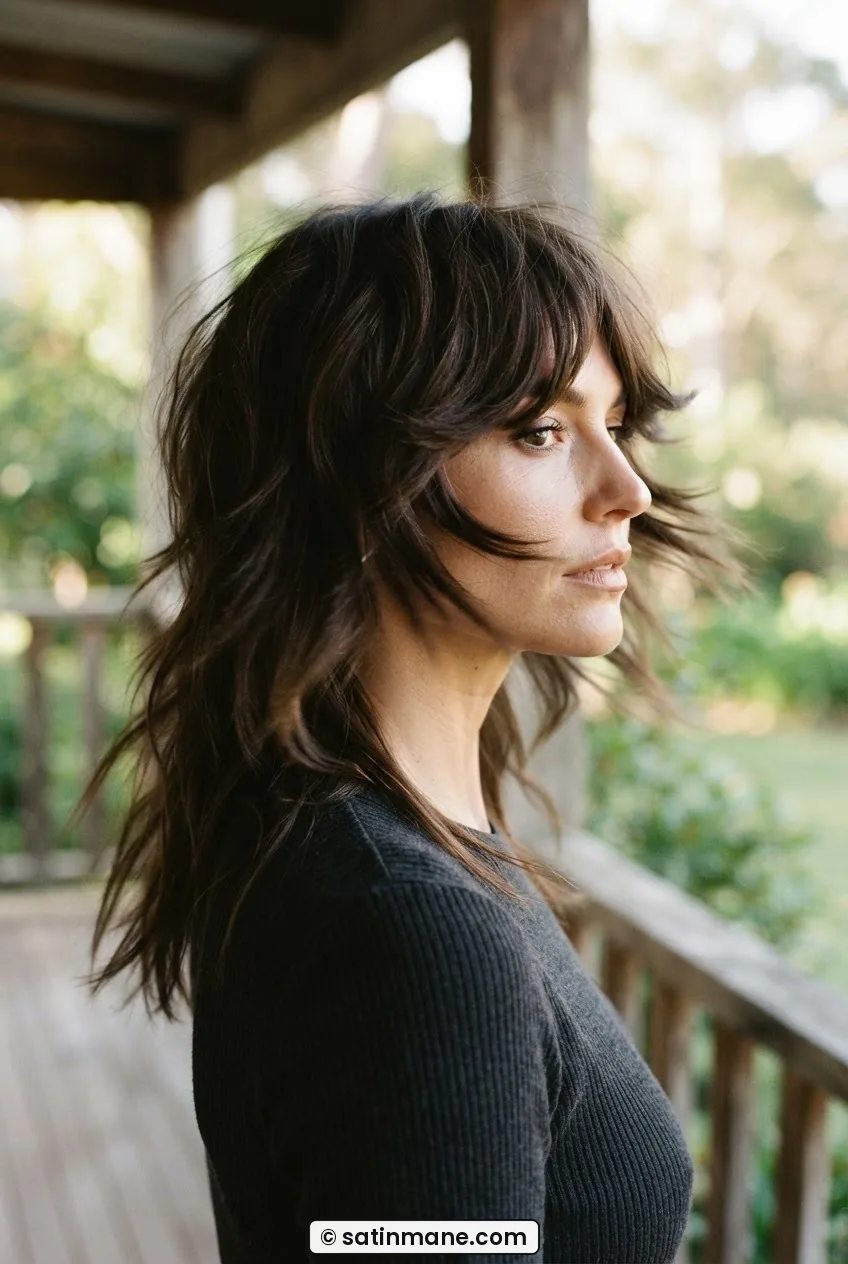
The shag had a quieter moment around 2013 — subtle, almost hidden inside longer cuts that were trending at the time. It showed up as what I’d call a light shag: the layer placement was there, the movement was there, but you’d have to know what you were looking at to name it. This is actually the most wearable version for anyone nervous about committing to a full shag. The layers are internal and generous but they don’t announce themselves from across the room. It works particularly well at shoulder length. It’s also the version that sits closest to an honest low-maintenance haircut — nothing that requires active styling to look right, nothing that fights you when it grows.

11. The 2019 One
By 2019 the shag was back in full conversation and the wolf cut had started to emerge as its close cousin. The distinguishing feature of this era was the emphasis on crown volume: layers were cut very short at the top, fanning out in a way that gave maximum lift without product. It was also the moment when the shag became genuinely popular for women over fifty, partly because that crown lift does something flattering to a face that higher hairlines and softer skin can need. If that’s your situation, the conversation about what works structurally is also happening at short haircuts for women over 50 — many of the same principles apply even at longer lengths. The 2026 update is simply making the crown layers fractionally less extreme so the regrowth phase is less jarring.

12. The 2023 One
The most recent ancestor. By 2023 the shag had fully absorbed the wolf cut and rebranded slightly: more textured, more deliberately undone, and much more interested in the ends. The perimeter became almost aggressively choppy — thin, wispy, sometimes almost transparent at the tips. It was a strong look but it needed maintenance every six to eight weeks to stay intentional rather than just growing out awkwardly. The 2026 version pulls the choppy quality back from the perimeter and places it in the mid-lengths instead. The ends have a little more weight, which means they behave better between cuts. The texture is still there, the movement is still there, but the haircut stops looking neglected at week ten. This is the version most worth bookmarking for 2026 if you’re cutting your shag haircuts for women to a realistic trim schedule.

It’s also worth noting that this structure isn’t far from a textured bob at shorter lengths — if you’re curious how that boundary blurs, bobs with nothing to maintain covers a lot of the same layer logic from the other direction.
Shag Haircut Questions Worth Answering
Will a shag haircut work if my hair is very fine?
Yes, and it’s one of the better options for fine hair specifically. The layering removes interior bulk you don’t have while creating the illusion of thickness through movement. The key is keeping the perimeter heavier than you might expect — if a stylist point-cuts all the way around on fine hair, the ends can look too thin. Ask for the layers internally but keep a little weight at the bottom.
How often does a shag actually need trimming?
The honest answer depends entirely on how short the shortest layers are. A subtle shag with long face-framing pieces can go twelve to fourteen weeks before anything looks off. A very short crown layer situation — like the 2019 version above — starts to look grown-out around eight weeks. Tell your stylist upfront how long you plan to wait between cuts and ask them to adjust the layer depth accordingly.
Does a shag suit a square jaw?
A strong jaw and a shag are actually a good combination, because the layering and movement break up what can otherwise read as a very defined corner. The thing to avoid is a very blunt, flat perimeter at exactly jaw level — that amplifies the squareness. Ask for the length to hit slightly below the jaw and the ends to be point-cut rather than blunt. The layers do the rest.
Can I get a shag if I’m growing out a fringe?
This is actually a good time to get a shag, because the shorter fringe pieces naturally become the face-framing layer once they hit cheekbone length. A good stylist can blend a growing fringe into a shag structure so the awkward in-between stage effectively disappears inside the cut’s logic. I’d go for the 1977 version above — the blended fringe is exactly what you need at that moment.
What’s the difference between a shag and a wolf cut in 2026?
Functionally, not much. The wolf cut name came from social media around 2021 and described a shag with particularly dramatic crown layering and a curtain fringe. By 2026 most stylists use the terms interchangeably or let the client name it whichever way they found the reference. If you show a photo, that communicates more than either word.
All twelve of these shapes share one thing: the structure does the work rather than the routine. That’s what makes shag haircuts for women worth revisiting across every decade — not that they’re simple to cut, but that once they’re cut correctly, they make getting dressed in the morning significantly less effortful. Pick the era that feels closest to your hair and your life, take a photo to your stylist, and ask them to apply the one 2026 update described above. That combination of old structure and small adjustment is usually all you need.