







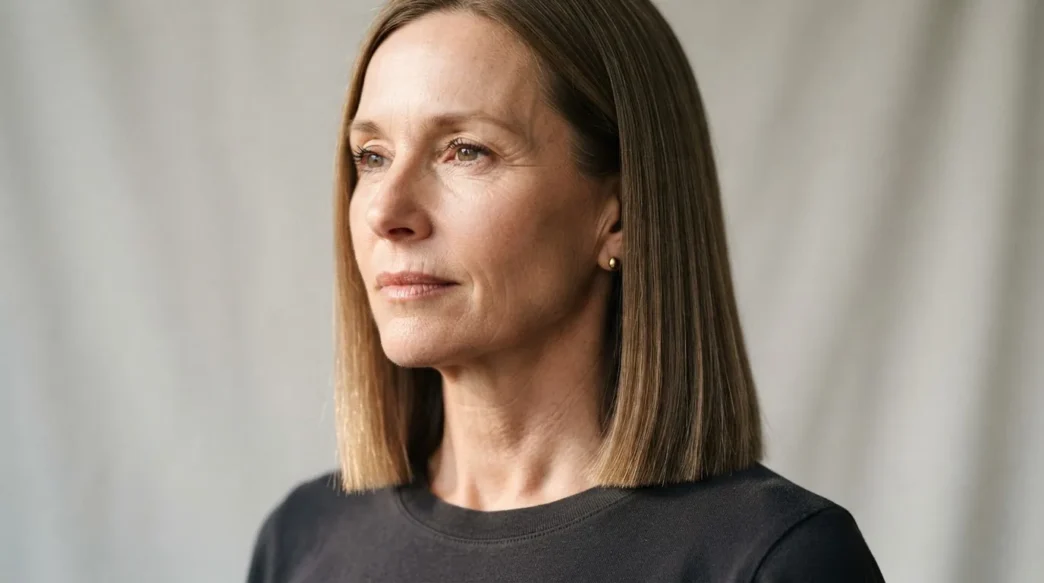
Fine hair and short cuts are genuinely a good match — I didn’t always believe that, but a few years of watching women walk out of the chair looking like they’d grown twice the hair have convinced me. The thing most people get wrong is chasing texture when they should be chasing perimeter weight. A clean, deliberate weight line at the ends does more for fine hair than any volumizing spray ever could. These nine cuts are chosen specifically because each one uses construction — where the blunt line sits, where graduation runs, where the interior thins out — to make the hair read thicker than it is, even on a morning when you’ve got four minutes and no patience.
Nine Cuts, One Rule: Weight at the Ends
- The One That Air-Dries Flat and Still Looks Done
- The One You Trim Twice a Year
- The One That Fakes a Fringe Without Committing
- The One Built for Thinning at the Crown
- The One That Reads Thick in Every Lighting
- The One That Looks Complicated But Isn’t
- The One for the Woman Who Hates Product
- The One That Earns Its Length
- The One You Grow Into Something Else
1. The One That Air-Dries Flat and Still Looks Done
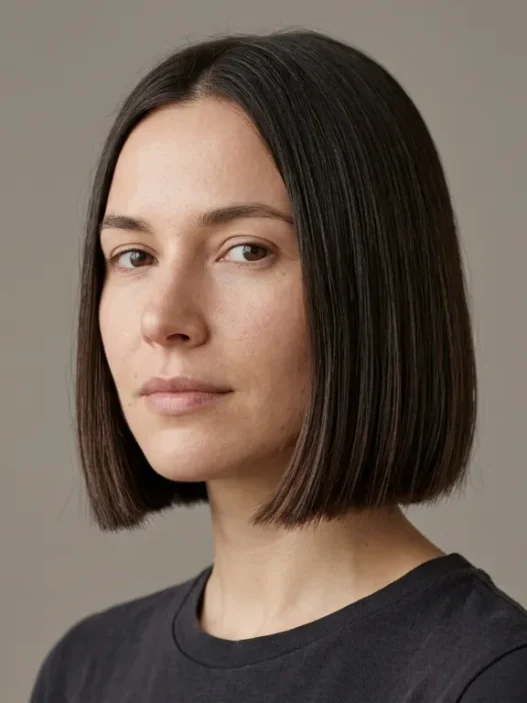
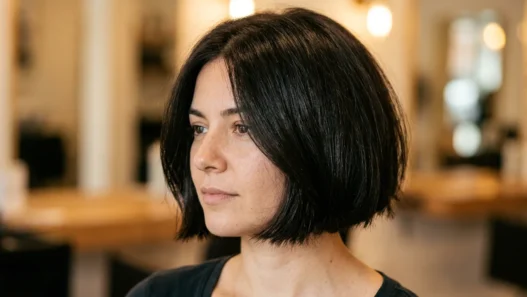
This is the blunt chin-length bob with a slight interior hollow — the perimeter cut absolutely straight across (or with a barely perceptible concave curve at the back so the sides swing forward), and the interior point-cut at the ends only, not sliced through. The weight line sits right at the chin. Nothing above it is thinned.
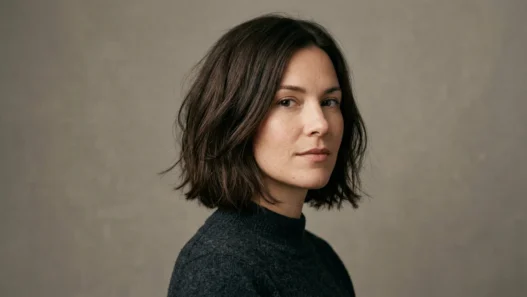
It suits straight fine hair almost better than any other texture because the flat, smooth surface becomes the feature, not the problem. Look at how clean her perimeter reads in the photo — that line is what’s doing all the work, not product.
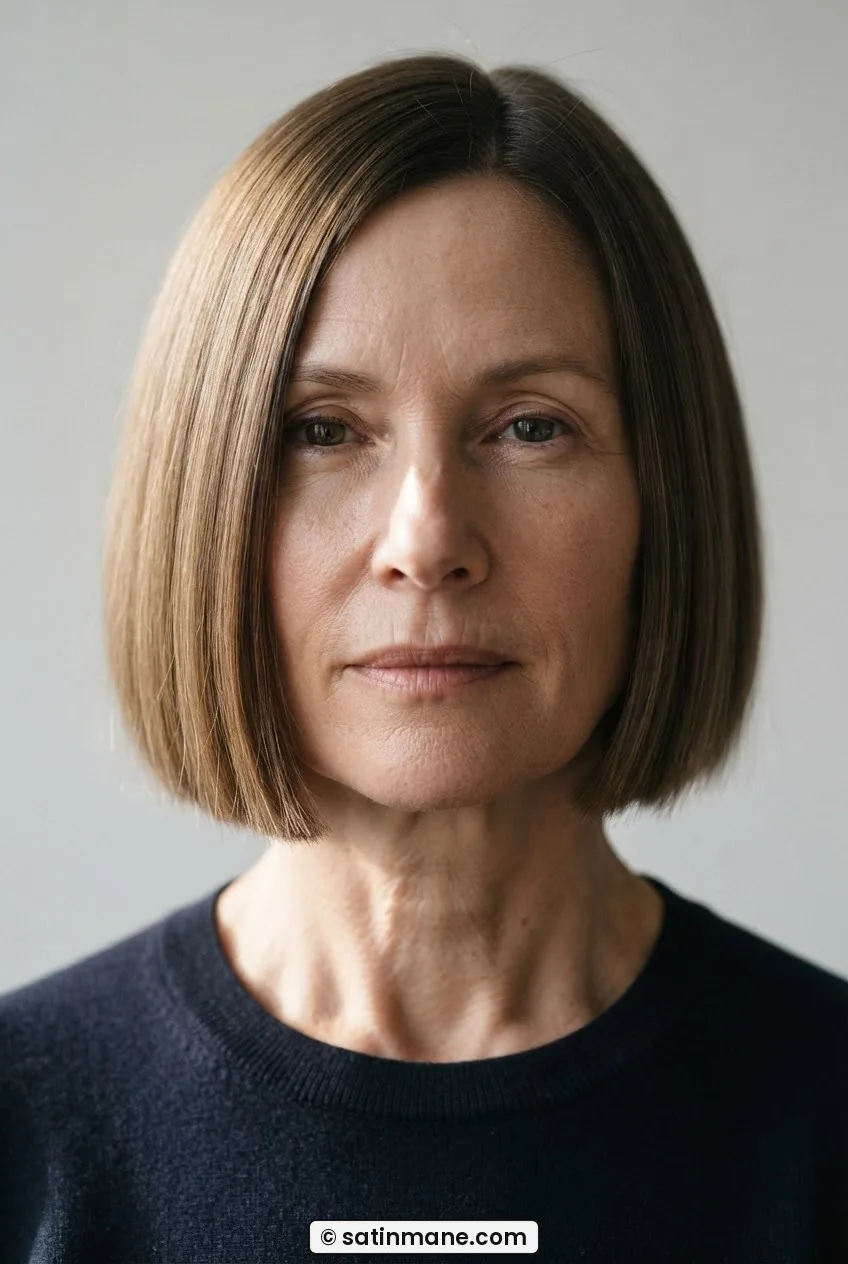
Morning ask: nothing. Shake it out, maybe smooth one piece behind the ear. This is the cut I point people toward when they tell me they’ve given up on their hair, because the structure holds without any effort at all. If you want to read more about how this kind of perimeter works across different bob lengths, the breakdown on bob hairstyles for fine hair is worth your time before you book.
At the chair, say: “Blunt perimeter, chin length, no graduation, point-cut ends only — don’t slide-cut the interior.”
2. The One You Trim Twice a Year
The ear-length blunt bob. Shorter than you think you want, bolder than you remember being, and genuinely the lowest-maintenance short hairstyle for women with fine hair that I’ve encountered. The weight line lands right at or just below the earlobe. The back is cut straight across at the same length, or very slightly shorter in a classic graduation that keeps the shape from going boxy as it grows.
Because the hair is so short, growth looks tidy for a long time. You can stretch trims to every five or six months without it looking neglected — the perimeter just gets rounder rather than ragged. One pump of styling cream through damp hair and you’re done.
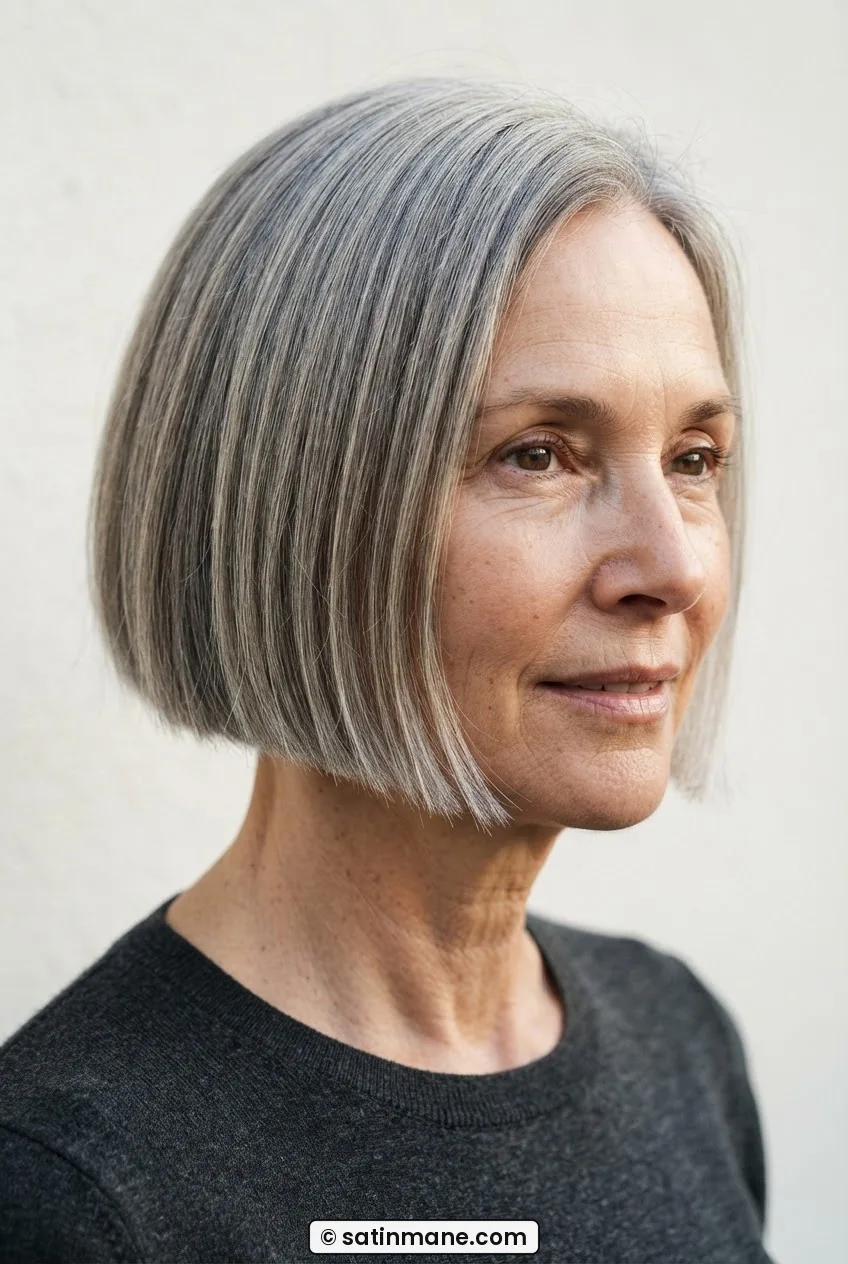
Suits: anyone willing to commit. The angularity reads strong on oval, long, and square faces. Round faces can wear it too — ask for the side parting kept slightly off-centre so the line doesn’t sit symmetrically across the cheekbones.
At the chair: “Ear-length blunt bob, straight perimeter, minimal internal layering — I want to keep the weight.”
3. The One That Fakes a Fringe Without Committing
A chin-to-collarbone bob with a deep side part and a long, face-framing piece that grazes the cheekbone on one side. The “fringe” is really just the front section of the bob allowed to fall forward — nothing is cut shorter across the forehead, so there’s no grow-out trauma.
The construction: the back sits at chin level, the front sections are left two to three centimetres longer so they drop past the jaw. The graduation runs low, which keeps the perimeter weight. Inside, the crown gets a touch of point-cutting to avoid the triangle-head silhouette that fine hair can create when it’s all one length with no relief at the top.
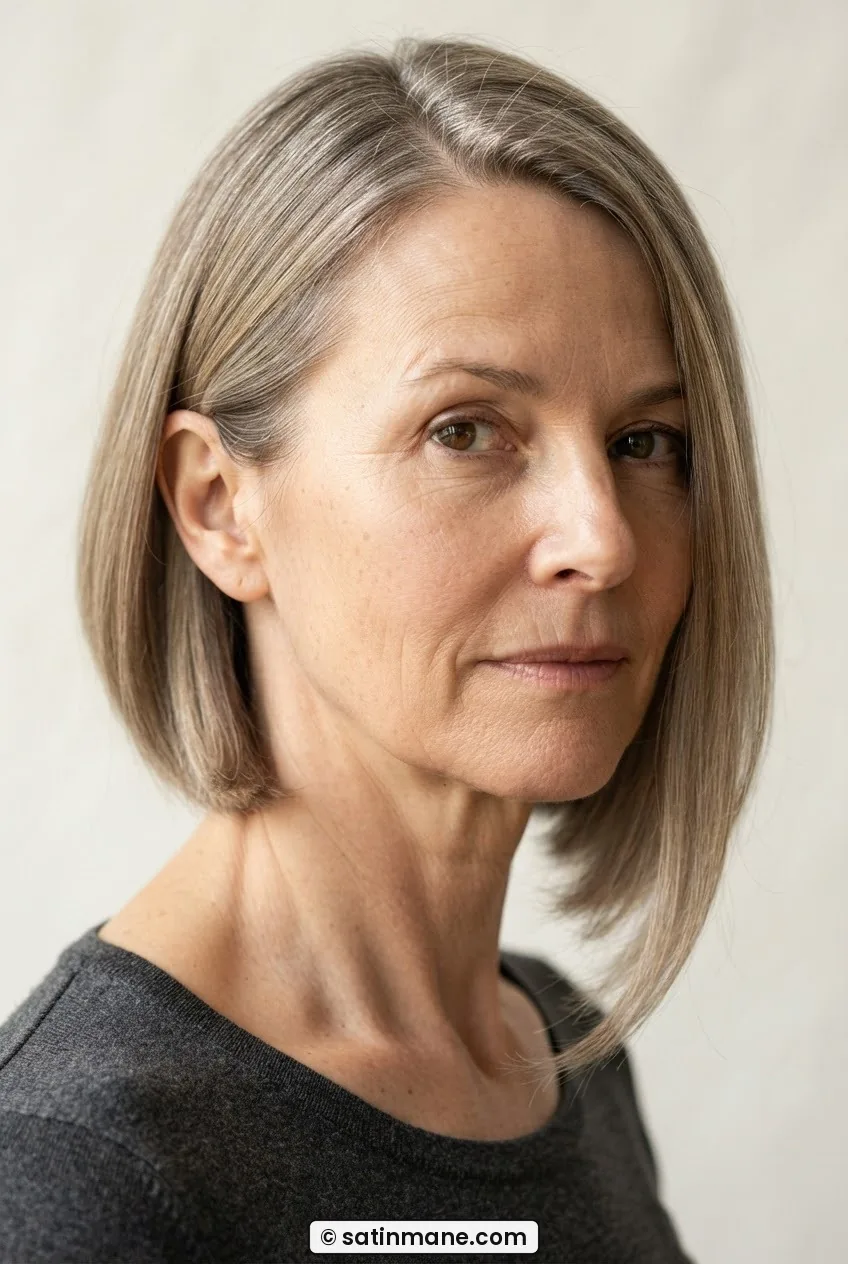
The stylist I watched doing this on a client with very flat, fine hair described it as “a bob with an opinion on one side” — which I thought was exactly right. She swept the longer piece forward and it framed her face in a way that looked intentional and slightly editorial without a single hot tool involved.
Morning ask: a flat paddle brush through dry hair to direct the side part. Maybe a light spritz of flexible hold spray. That’s it. Plain state when it’s not in order: still looks like a good bob. State when it is in order: looks like you tried.
At the chair: “Side-parted bob, front sections left longer than the back, low graduation to keep perimeter weight, light point-cutting at crown only.”
4. The One Built for Thinning at the Crown
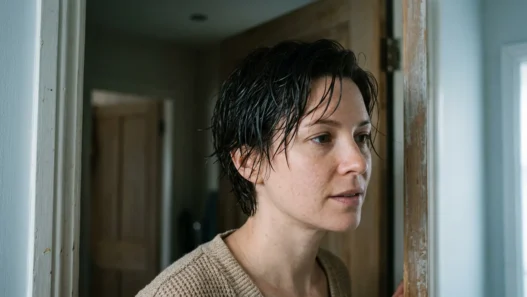
If density loss is most noticeable at the top of the head, a short textured crop with a disconnected, slightly longer fringe section is one of the most reliable solutions I know. The top is kept just long enough — about four to five centimetres — to create the illusion of volume when it’s directed forward or to one side. The sides and back are cut close, almost clipper-tapered, which makes the top section appear proportionally fuller.
This is one of the short pixie-adjacent cuts that gets the most mileage from root-lift techniques — a small round brush at the root for thirty seconds while drying the crown section makes a visible difference. That’s the one styling step this cut actually benefits from, and it’s worth it.
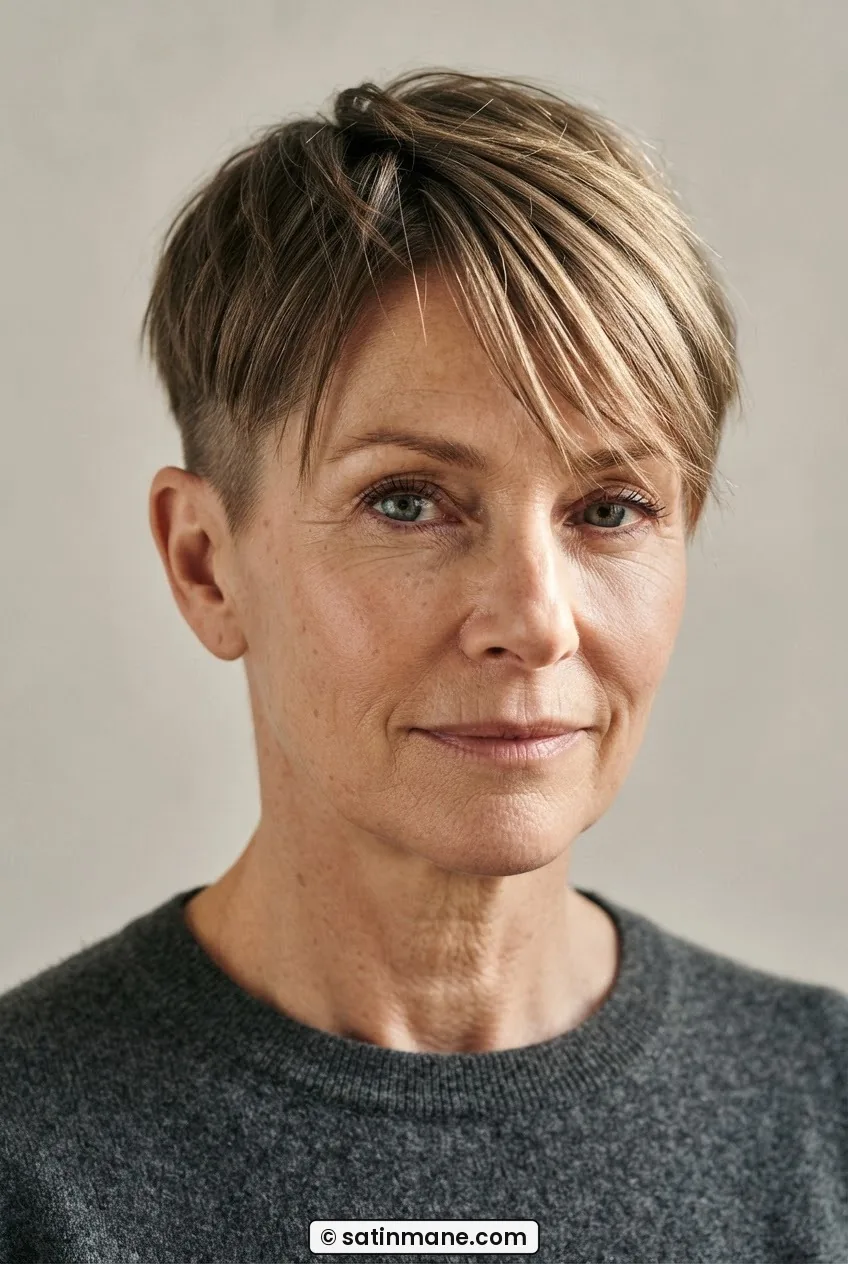
The cut I’m describing here sits right at the boundary of what’s covered in the honest guide to pixie cuts for fine hair — if you’re deciding between going this short versus keeping a little more length, that article lays out the tradeoffs in a way that’s actually useful rather than just aspirational.
At the chair: “Textured crop, close at back and sides, four to five centimetres on top directed forward, disconnected — don’t blend the top into the sides, keep the contrast.”
5. The One That Reads Thick in Every Lighting
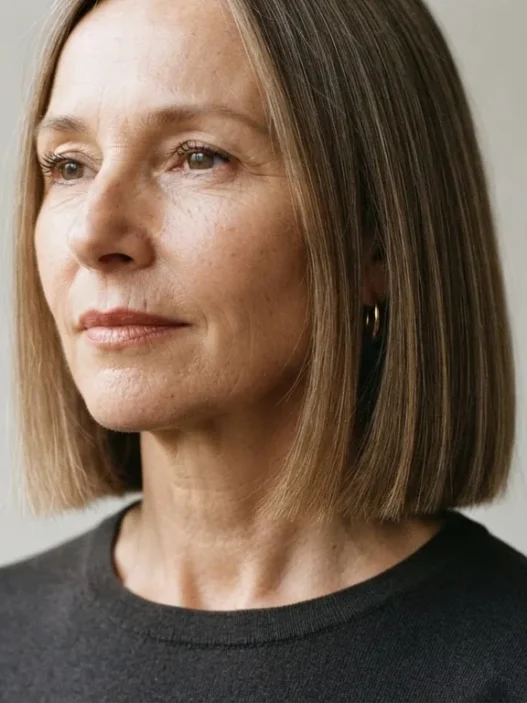
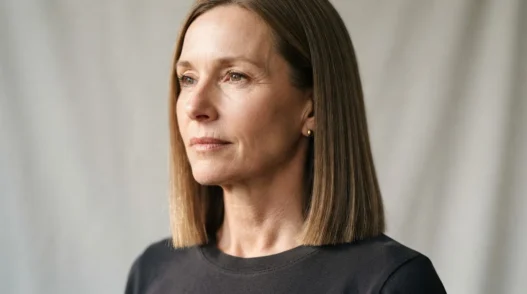
My personal pick. The blunt collarbone-length bob — not a lob, not a midi, just a very deliberate collarbone bob with a weight line so clean you could draw it with a ruler. I saw this on a woman at a checkout queue, her hair absolutely straight and unremarkable in texture, and it looked like a full, heavy curtain of hair. I watched the light hit the ends. There it was: a perimeter so solid it was catching light like a single object rather than individual strands. I asked where she got it cut. She said she’d been going to the same person for six years and always asked for “the same thing.” That weight line is the same thing.
Construction: perimeter cut blunt, collarbone length, with a slightly concave back (the back hem curves slightly upward in the centre so that the sides pull forward and don’t drag the shape down). Interior: minimal. One round of point-cutting at the ends to soften without removing weight. No layers through the mid-shaft. The thickness you see is all perimeter, no product required.

Morning ask: it can genuinely air-dry. On good texture days, that’s all you need. On flat days, two minutes with a round brush at the ends to flick them under or out. The collarbone length means it sits against the neck in a way that keeps it looking groomed even without attention.
At the chair: “Collarbone-length blunt bob, slight concave at the back, point-cut ends only, no interior layers.”
A Bob That Genuinely Changed How I See Fine Hair
6. The One That Looks Complicated But Isn’t
The choppy, piece-y bob. It looks like it requires product knowledge and a diffuser. It doesn’t. The cut is doing all the work.
The construction here is a chin-length base with the ends sliced into sections using a razor or fine-tooth scissor technique — not soft layers, but actual chiselled, angled sections that separate when the hair dries. The interior has minimal graduation. The perimeter weight is still there, just broken into irregular pieces rather than a single solid line. What this achieves: fine hair that tends to collapse into one flat sheet instead separates into pieces that read as “texture” and therefore as “thickness.”
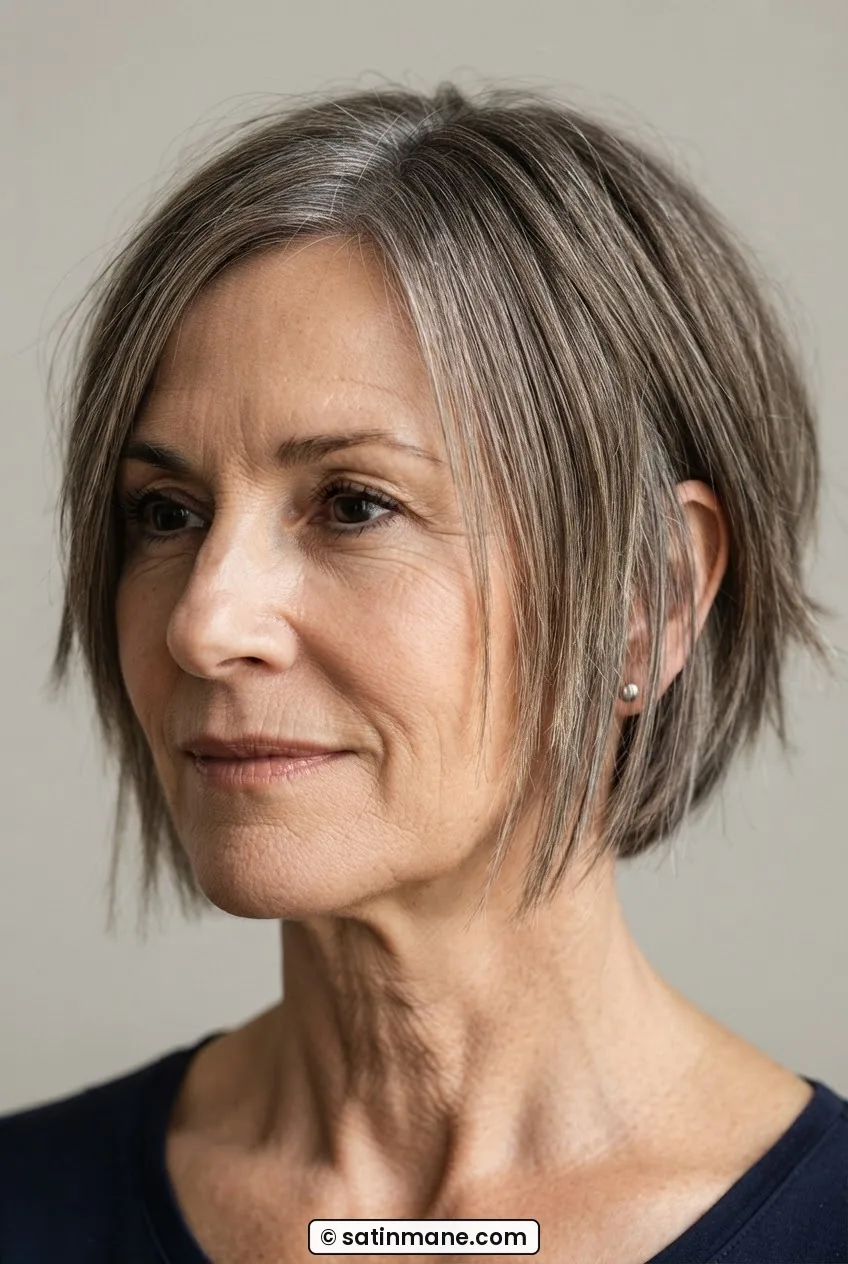
The honest note: this cut requires a trim every eight to ten weeks. The choppiness dulls quickly as the ends grow, and a grown-out version of this looks less “intentionally undone” and more just undone. If you’re someone who stretches trims, choose a different cut. But if you’re disciplined about booking, the low product requirement more than makes up for the scheduling overhead.
Morning ask: a small amount of texturising cream — the size of a pea — worked through dry ends. Nothing else. You can also read about lightweight styling options to find a formula that won’t weigh this cut flat before 10am.
At the chair: “Chin-length bob, razor-cut or sliced ends to create piece-y separation, keep the perimeter weight — I don’t want soft layers, I want chiselled sections.”
7. The One for the Woman Who Hates Product
A short, graduated bob with the weight line sitting at the back of the jaw and the nape cut close and clean. No fringe. No layers through the top. No texturising. The whole point of this shape is that it requires absolutely nothing applied to it — the graduation at the back does the shaping, the blunt top line does the volume work, and the whole thing just sits there looking considered.
She’s wearing hers in the photo with no product whatsoever — you can tell by the way the light hits the strands individually. And it still looks deliberate. That’s the shape working, not the styling.
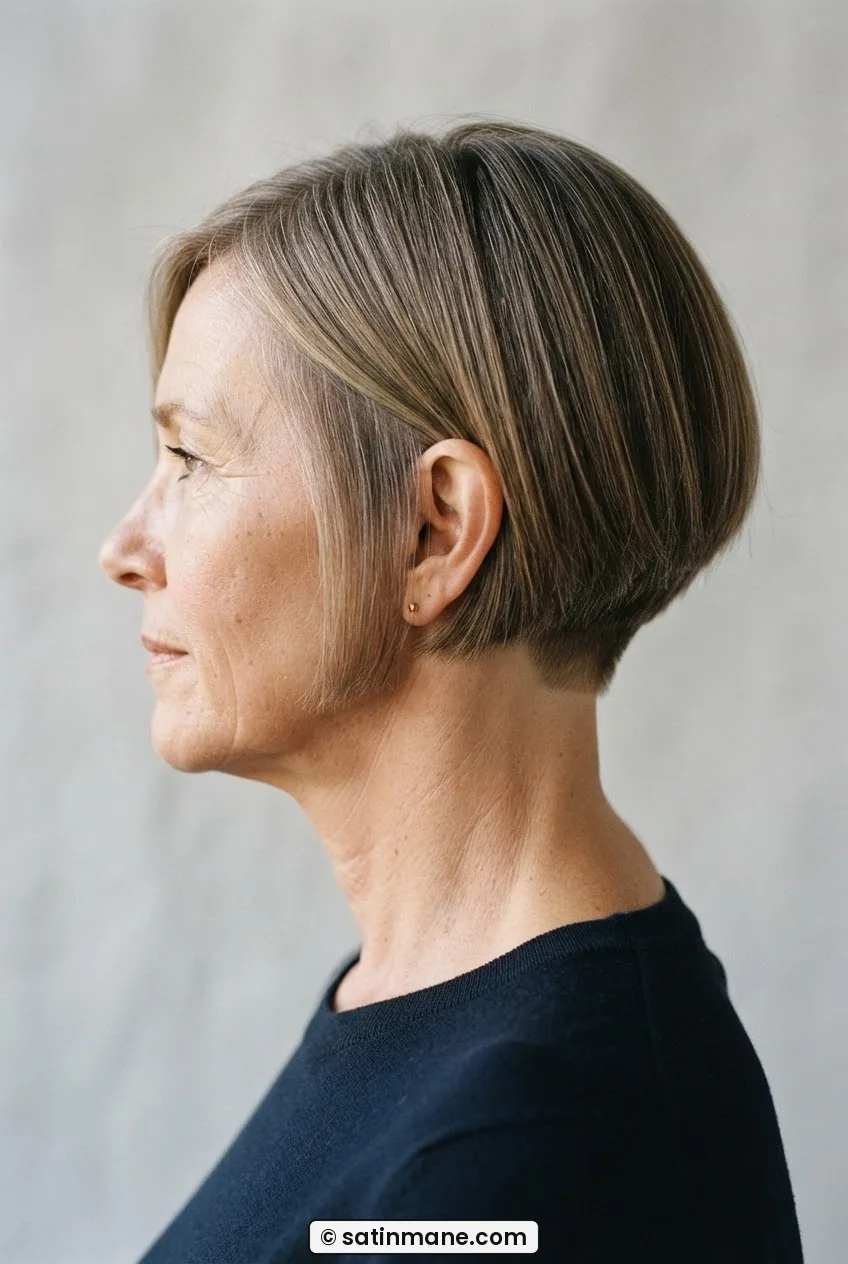
This is worth flagging: the close-cut nape means the back does need to be trimmed more often than the front. Plan on touching the back up every six to eight weeks even if the front looks fine. It’s a small appointment — sometimes just a quick tidy — but skipping it makes the shape go shapeless fast.
Suits: oval faces particularly well, and also heart-shaped faces where the wider forehead needs something architectural rather than soft to balance the narrower jaw. If a round face is your starting point, the fuller guide to short haircuts for round faces covers how to adjust the graduation line so the shape adds length rather than width.
At the chair: “Graduated bob, weight line at the jaw, close nape, no layers in the top section, no texturising.”
8. The One That Earns Its Length
The short-to-medium bob that sits just past the collarbone — longer than most of the cuts on this list, included here because it earns its place specifically through construction. A lot of women with fine hair are told to go shorter because longer hair “goes flat.” That’s true if it’s cut without intention. This one is cut with a low-sitting, very blunt perimeter that keeps weight exactly where the hair needs it: at the ends, where gravity is working against you.
The inside of the cut is kept minimal — just enough point-cutting through the crown to prevent bulk at the top that would make the silhouette triangular. The length below the collarbone is where fine hair starts to run out of density to hold a shape, which is why this cut stops there. Going longer requires a different strategy entirely.
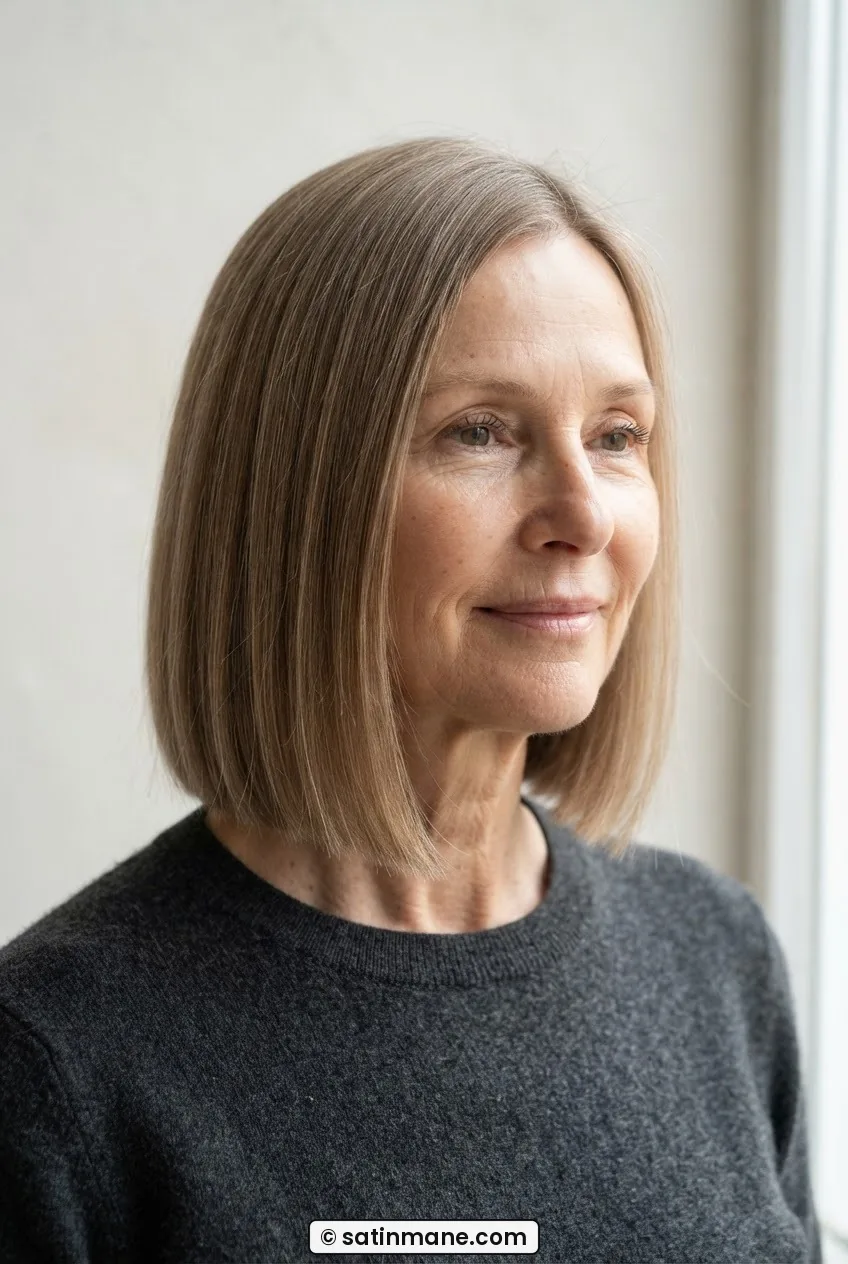
Morning ask: this is the most honest one on the list. It probably needs two minutes with a round brush to lift the ends and keep the perimeter from cupping inward. You can skip it — the cut still looks reasonable air-dried — but the shape is at its best with that small effort. Worth knowing going in. The full breakdown of what actually happens with hairstyles for short hair covers the styling reality gap between cut and result if you want to go in clear-eyed.
At the chair: “Just-past-collarbone length, blunt perimeter, minimal internal layering — keep weight at the ends, light point-cutting at crown only.”
9. The One You Grow Into Something Else
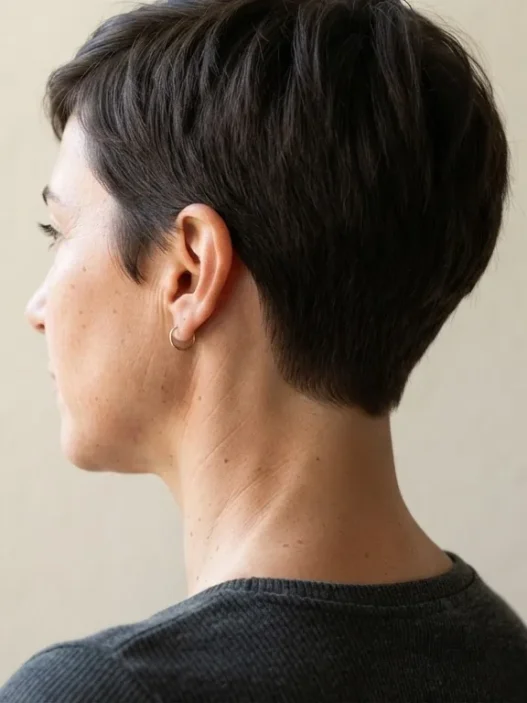
A tapered pixie with a longer, side-swept top. This cut is on the list for a specific reason: it’s the only one that gets better as it grows. The perimeter weight is in the top section — the sides and back are kept short and close — so as the hair grows, the top gains length and the sides grow in to meet it, eventually becoming a short bob or a choppy crop without any awkward in-between phase.
For fine hair, the taper at the sides and nape is genuinely useful. Close-cropped sides don’t go flat. They sit against the head in a way that reads as intentional regardless of how long it’s been since your last trim. The length stays on top where there’s more density, and the graduation keeps the overall shape from looking like a circle.
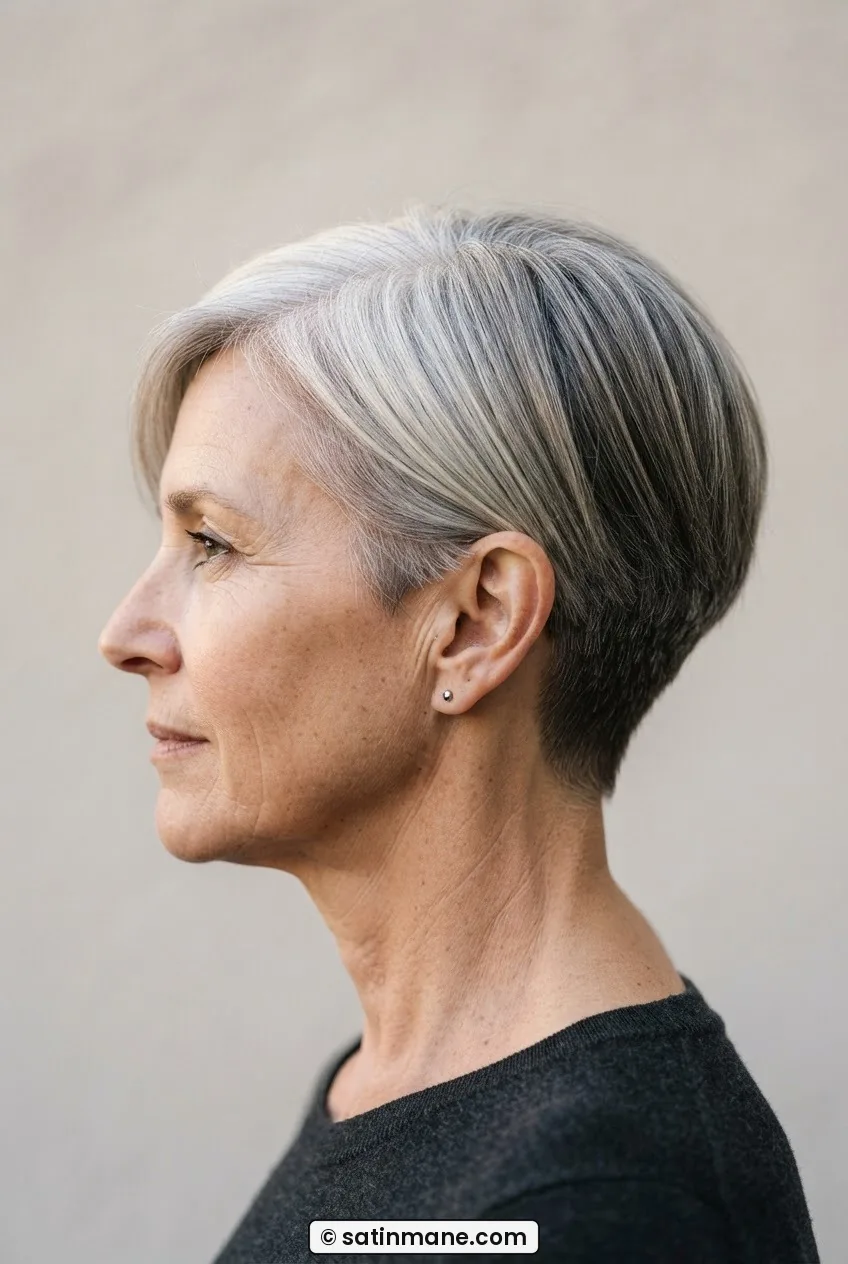
Morning ask: a small amount of pomade or wax through the top section, directed forward or to one side. Thirty seconds. Honestly one of the fastest short hairstyles for women with fine hair to maintain day-to-day, even though the cut itself looks high-effort. If you’ve been curious about going this short and want to read what nobody usually says about the experience, the short haircuts for women over 50 guide is unusually candid about the practical reality — it applies well beyond that age bracket too.
At the chair: “Tapered pixie, close at sides and back, longer on top — I want to be able to grow the top into a bob without a bad phase, so keep the sides and back shorter than you think.”
Questions I Get About Fine Hair Cuts
Should I avoid layers entirely if I have fine hair?
Not entirely — but the type of layering matters enormously. Soft, feathered layers that thin out the mid-shaft will remove the weight your hair needs to look full. Point-cutting at the ends, which separates without reducing bulk, is a much safer technique. The rule I’d follow: keep weight in the perimeter and only take interior density from the crown if the silhouette needs it.
What’s the actual difference between fine hair and thin hair?
Fine refers to the diameter of each individual strand — fine-haired people can actually have a lot of hair, it just has less mass per strand. Thin or thinning refers to overall density, meaning fewer follicles producing hair. Many women have both, but the distinction matters for how your stylist should approach the cut. Fine hair benefits from blunt perimeters. Thinning hair at the crown often benefits more from strategic length distribution and a close taper at the sides.
How do I explain what I want to a stylist who keeps going too short?
Bring a photo and say “I’d like to stop here” while pointing to a specific point on your own neck or jaw. Then add: “I want to keep the weight in the perimeter — please don’t thin out the ends.” Those two phrases together do most of the work. If a stylist still reaches for thinning shears without asking, that’s a conversation to have before they start, not after.
Can fine hair really look thick with just a haircut and no product?
Yes, genuinely — and the science behind perimeter weight is well-documented in professional cutting education. A blunt perimeter line makes fine strands end at the same point, which creates visual mass. That’s not a styling trick. It’s geometry. Product helps maintain the shape; the shape itself is what creates the illusion.
That’s the nine. Every one of them is built around the same idea — put the weight where the eye reads the hair’s thickness, and let the structure do the morning routine for you. If you’re sitting with a photo of one of these and a stylist appointment booked, you’re already ninety percent of the way there. The other ten percent is saying the right words at the chair, which is why I included the script at the end of each entry. Use it. Stylists respond well to specificity, and “I want to keep the weight in the perimeter” is one of the most useful sentences you can say.