








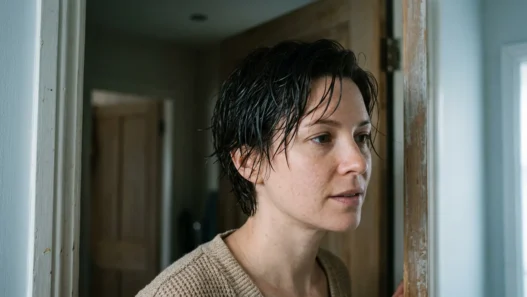


Month three is when most people give up. Not month one, when everything is still technically on purpose. Month three, when the shape is gone but the length isn’t there yet, and you’re standing in a bathroom holding a hair tie you swore you wouldn’t use. I’ve been there so many times I finally started asking the actual question: which cuts survive that window? Not which cuts look best freshly done — which ones still hold something worth keeping at week seven, month three, month five. Here’s what I found.
The Cuts, Ranked by How Long They Last
- 1. The Textured Bob, Best at Month Three
- 2. The Soft Pixie, Best Fresh
- 3. The Shaggy Lob, Best at Month Four
- 4. The Layered Bob, Best at Month Two
- 5. The Curtain-Bang Midi, Best at Month Five
- 6. The Tapered Pixie, Best at Six Weeks
- 7. The Collarbone Cut, Best at Month Six
- 8. The French Bob, Best at Month Two
- 9. The Grown-Out Undercut, Best at Month Eight
- 10. The Round-Layer Shag, Best at Month Three
1. The Textured Bob, Best at Month Three
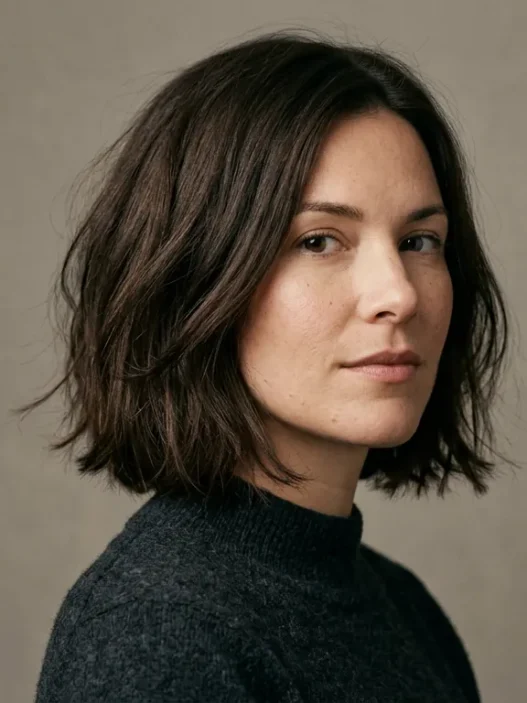
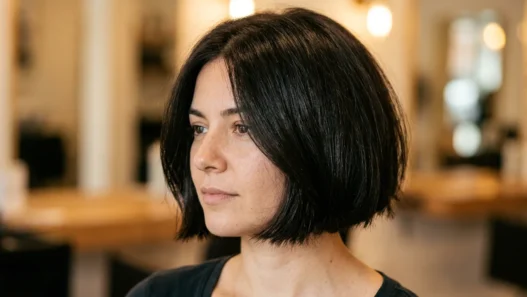
This is the one I keep recommending to anyone growing out a pixie. When the cut is fresh, the texture does the work — point-cut ends, a little internal layering, nothing too blunt. By week seven, the shape is softer but the texture still reads as intentional. By month three, it’s actually better: there’s enough weight to let it fall properly, and the ends have grown into a slightly longer version of themselves without looking shapeless.
Look at the photo here — she’s clearly past her last trim, and yet the movement in those ends is doing exactly what a fresh cut would. The textured bob stops working around month five, when the weight line drops below the chin and you start losing the frame. That’s your appointment window. If you’re navigating hairstyles for growing out a pixie, this is usually the cut I’d suggest asking for at the transition stage.

2. The Soft Pixie, Best Fresh
Honesty first: the soft pixie is at its absolute peak the week you get it. Maybe two weeks. After that, you’re managing growth rather than enjoying the cut.
But here’s why it’s on this list — if you know going in that you’re growing out your hair, a soft pixie is a smarter starting point than a sharp one. The rounded shape, the slightly longer top, the way the sides are blended rather than buzzed — it all buys you more time before the in-between stage looks truly chaotic. By six weeks, you can start pinning pieces back or working with a side part, and it reads like a choice rather than an accident. The honest version of a low-maintenance haircut accounts for how it grows — and a soft pixie does that better than a severe one.

3. The Shaggy Lob, Best at Month Four
The shaggy lob might be the single most forgiving haircut for growing out hair that I’ve ever encountered. Month four is genuinely its peak — the layers have grown out just enough to feel lived-in rather than just-done, the curtain fringe (if you have one) has hit that sweet length where it can go either way, and the whole thing looks like you meant it to be exactly this long.
It stops working around month seven, when the layers start to blend into one undifferentiated length. That’s when you either go back for a refresh or commit to the longer journey. I’ve seen this cut on so many different hair types — it’s particularly strong on wavy and slightly frizz-prone hair, because the texture actually supports the shaggy structure. A little air-dry technique and you’re genuinely done styling.

4. The Layered Bob, Best at Month Two
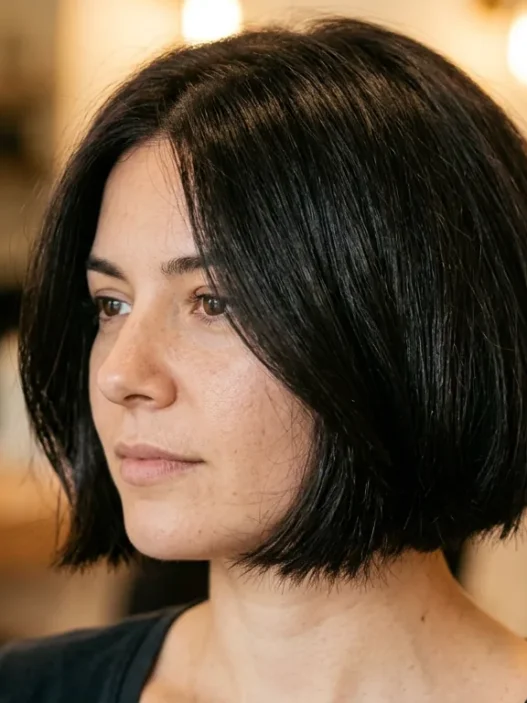
Different cut, different peak. The layered bob hits its best moment earlier than the textured bob — around month two, when the layers still have their definition but the whole thing has softened just enough to feel relaxed. The problem is it also falls apart earlier, usually by month four, when the layers grow into each other and you lose the movement that made it work.
This one rewards people who actually make their appointments. If you’re someone who stretches every six weeks to four months, a layered bob will frustrate you. But if you’re a roughly-every-eight-weeks person, it can feel like the shape is always right where you want it. Worth noting: on rounder face shapes, the way the layers fall can be genuinely flattering — the movement creates visual length. I’ve written more about how face geometry interacts with cut shapes over in my piece on square face hairstyles, but the same logic applies here in reverse.

My personal pick for anyone growing out layers specifically is the layered bob refreshed at the eight-week mark — not trimmed back, just dusted at the ends to remove the split weight. It’s the appointment that costs the least and saves the most shape. I’ve convinced three separate people to try this and every single one texted me about it afterward.
5. The Curtain-Bang Midi, Best at Month Five
This one takes patience to reach its best moment, but month five is genuinely lovely. The curtain bangs have grown long enough to tuck behind the ear or leave loose, the length has dropped to somewhere between collarbone and shoulder, and the overall shape is that specific kind of undone-but-polished that takes actual time to grow into. You can’t fake it with a fresh cut.
She’s wearing it loose in the photo, and look at the way it sits — that’s growth doing work that no fresh cut could replicate. The midi length becomes slightly problematic around month eight when it’s too long to be a midi and not long enough to be simply long. That’s when growing out curtain bangs becomes the dominant question, and the answer is usually: add a round brush and stop overthinking the part.

6. The Tapered Pixie, Best at Six Weeks
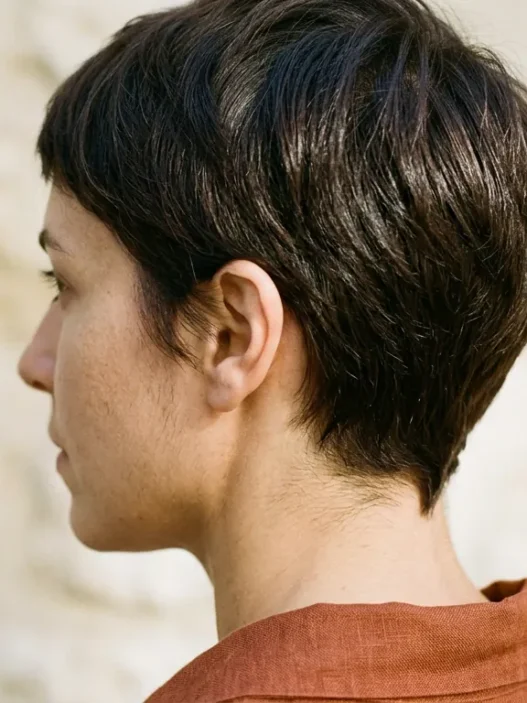
Six weeks exactly. That’s the window. Before that, it’s perfect but it’s doing what a fresh cut does. After eight weeks, the taper starts to lose its clean line and the back gets poofy in that specific way that tapered cuts get poofy. But right at six weeks — there’s a softness around the ears, a tiny bit of extra length at the nape, and the whole thing reads like a slightly longer version of the original intention.
I’m recommending this one specifically to anyone who loves structure and is not yet ready to fully commit to growing out. You can enjoy six clean weeks, get a very minor nape clean-up, and buy another six. It’s a reasonable strategy. My full thoughts on the stages are over in the growing out a pixie guide, which covers what to do at every weird in-between stage.

7. The Collarbone Cut, Best at Month Six
The collarbone cut is interesting because it’s one of the few lengths that genuinely improves with time. Fresh, it can look a little deliberate — like you measured to the collarbone specifically. By month six, the weight has shifted, the ends have softened, and it sits in that perfect zone between intentional haircut and grown-out goal reached.
If you have a softer jawline or a fuller face, this length does a lot of quiet work for you — the way it draws the eye downward is genuinely flattering, and there’s a reason this comes up so often in conversations about cuts for different face shapes. I’ve linked to more specific guidance in my notes on haircuts for a double chin, where the collarbone zone appears more than once.

8. The French Bob, Best at Month Two
Blunt, chin-length, with or without a fringe — the French bob is sharp when it’s fresh and surprisingly interesting at month two. The bluntness softens into something more wearable, the corners round slightly, and the whole thing looks less severe without looking lost.
Month three is where it goes wrong. The length drops below the jaw and suddenly it’s not a French bob anymore, it’s just medium hair with a slightly blunt end. There’s nothing wrong with that, but it’s not what you were going for. My advice: treat the French bob as a two-month rotation cut if you love it, or use it deliberately as a starting point for growing toward a longer bob. Either is valid. Just know which game you’re playing going in.

9. The Grown-Out Undercut, Best at Month Eight
This is the unconventional one. Most people think of a grown-out undercut as a problem — the buzzed section growing in patchy, the contrast between the under layer and the top going weird. But if the undercut was well-placed and the top length was already past the shoulders when you stopped maintaining it, month eight can be genuinely beautiful. The under layer has grown enough to blend, and you get this layered effect that looks intentional from the outside.
It’s high-variance though. Depends entirely on how the undercut was done, what the top length is, and whether your hair grows evenly. I would not recommend just hoping for the best here — it’s worth understanding how undercuts grow out before you decide to abandon the maintenance schedule entirely.

10. The Round-Layer Shag, Best at Month Three
And finally, the one that surprises people most. The round-layer shag — not the modern shag with its aggressive curtain fringe and defined disconnection, but the softer, rounder version with internal layering and a gentler perimeter — is quietly one of the best haircuts for growing out hair I know of. Month three hits a genuine sweet spot where the layers have grown just enough to move, the perimeter is longer than the original cut but not yet shapeless, and everything has a kind of relaxed fullness that looks like it took effort but didn’t.
It works across hair types more broadly than the sharper shag does. Women over 50 in particular often find this one holds up exceptionally well — I’ve seen it in action on the short haircuts for women over 50 I’ve been tracking, and it consistently ages the best of the shag family. It stops working around month six when the round layers lose their definition and the whole thing reads as just… long. But three months of feeling great is a very reasonable deal.

What People Ask Me About Growing Out a Haircut
How often should I trim while growing out my hair?
Every ten to twelve weeks is usually enough — you’re removing split ends and dusting the shape without sacrificing actual length. The every-six-weeks rule is designed for people maintaining a short cut, not growing one. If you go less than that, you risk the ends getting scraggly enough to actually slow the process down visually.
Can I ask my stylist for a specific cut that holds up while growing?
Yes, and you should. Tell them you’re growing out and ask them to cut with the growth direction in mind — that means avoiding anything too blunt at the perimeter, favoring internal texture, and leaving enough length at the top to have options as it grows. A good stylist will know exactly what you mean. If they don’t ask about your growing-out intention, bring it up yourself.
Is there a haircut that genuinely has no awkward stage?
The shaggy lob comes closest — its very nature relies on layers at different lengths, so the growth just adds to the effect rather than disrupting it. But “no awkward stage” is partially a myth. Every cut has a moment where you’re between two good versions of itself. The goal is to shorten that window, not eliminate it.
What products actually help during the growing-out stage?
A light texturizing spray or sea salt spray does more than anything else I’ve tried — it adds definition at the lengths where the cut has lost its precision, and it makes growth look intentional rather than accidental. Beyond that, a good dry shampoo at the roots to keep volume, and a very light hold cream on the ends. Skip heavy products. They weigh down exactly the lengths you need to have movement.
The month that decides everything is month three. If your cut can survive month three — still holding some version of its shape, still doing something useful around your face — you will make it to the length you want. Pick one of these ten, know when its peak is, and plan your trims around that window rather than against it. That’s the whole strategy, honestly.