









I’ve been getting some version of a bob since I was twenty-two and finally stopped pretending I’d ever maintain long hair. That’s a lot of trims, a lot of stylists, and more than a few regrets at the three-week mark when the shape falls apart faster than expected. What I’ve learned — the hard way, mostly — is that not all bobs are equally forgiving between appointments. Length matters, yes. But where the weight sits matters even more. So this is my attempt to map that out honestly, starting from the shortest cut I’d actually recommend and walking all the way down to the collarbone. Ten options. Real talk about what each one demands.
What’s In This Guide — Jump to Your Length
- At the Ear: The Micro Bob
- At the Ear: The Blunt Ear-Length Bob
- At the Ear: The Stacked Bob
- At the Jaw: The Graduated Bob
- At the Jaw: The Asymmetrical Bob
- At the Jaw: The Italian Bob
- At the Chin: The Classic Chin-Length Bob
- At the Chin: The Soft Bob
- At the Collarbone: The A-Line Bob
- At the Collarbone: The Midi Bob
1. At the Ear: The Micro Bob
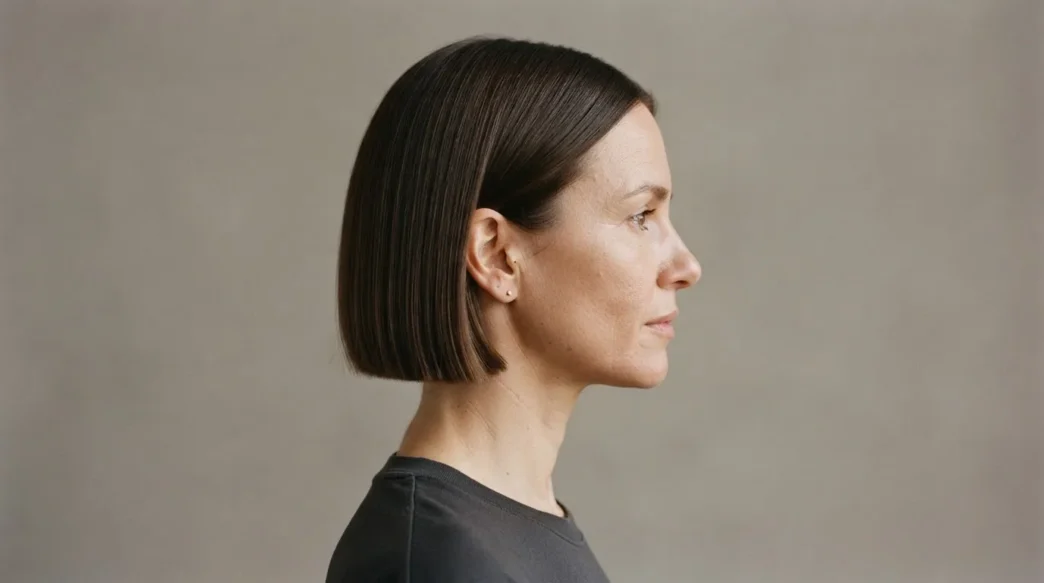
The micro bob — sometimes called a mini bob — sits right at or just above the earlobe and the weight is concentrated in a single horizontal band across the back. It’s the shortest entry on this list for a reason: it demands a trim every five to six weeks or the whole thing goes shapeless fast. But within that window? Absolutely nothing to do in the morning. It air-dries in under twenty minutes, there’s nowhere for frizz to gather, and the bluntness of the cut holds its line even on humid days. I think of it as a high-commitment cut with a low-maintenance daily routine — which is a trade-off plenty of women are genuinely happy to make.
2. At the Ear: The Blunt Ear-Length Bob
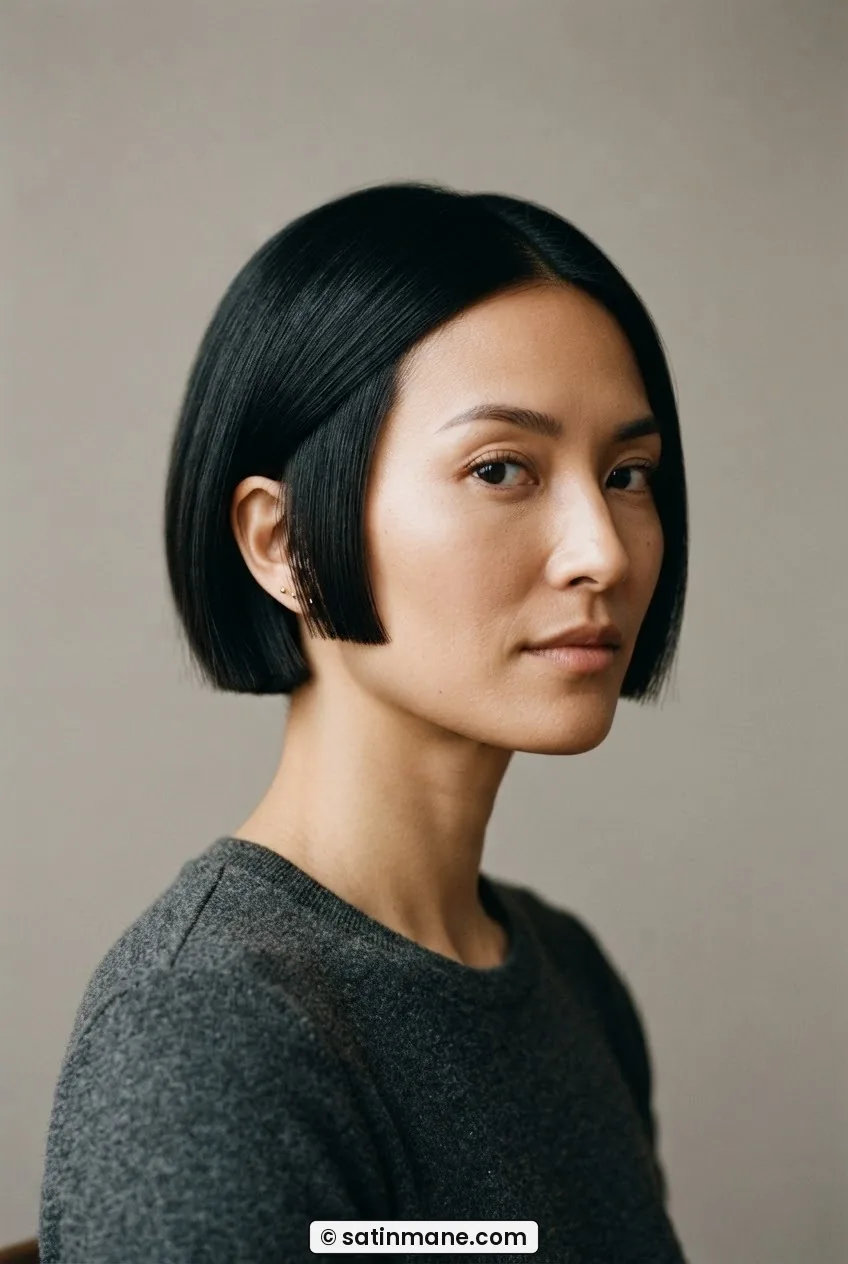
A half-inch or so below the micro bob and you’re in blunt ear-length territory. The weight line hits the bottom of the earlobe and curves very slightly toward the jaw — enough to soften the cut without adding layers that need managing. This is the version I see most often on women who tell their stylist “I want something short but I’m not ready to go really short.” It works. The all-one-length approach means there are no layers growing out awkwardly, which is actually a significant maintenance advantage. If you’ve got fine hair, I’d send you straight to this one — but first, go read about bob hairstyles for fine hair that build weight where it shows, because the specific technique your stylist uses here is going to make or break how full this looks on you.
3. At the Ear: The Stacked Bob
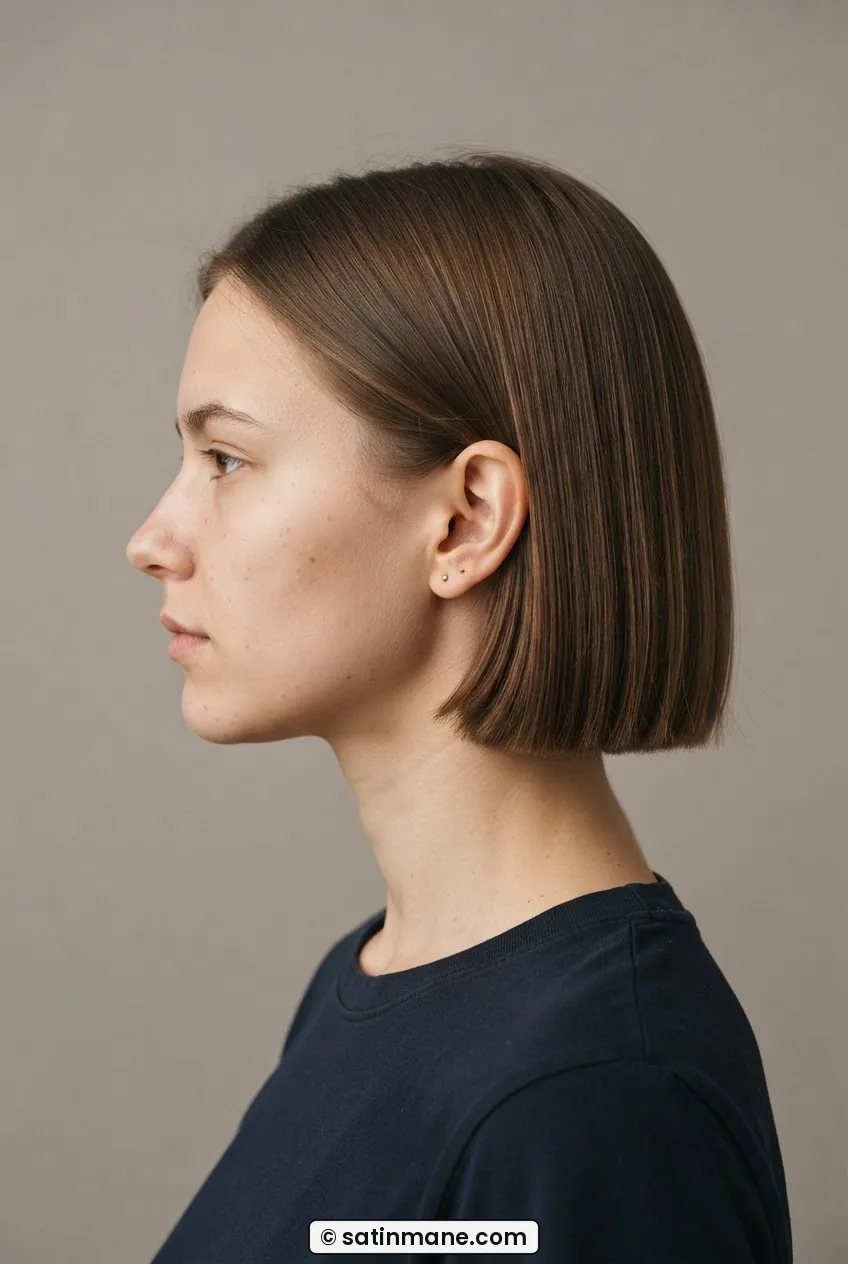
The stacked bob is doing something different structurally. Instead of all-one-length, the back is graduated — layers are stacked on top of each other to create a rounded, almost sculpted shape at the nape. The sides and front sit at ear level. This creates a tremendous amount of volume at the back without adding length, which is why it’s been a go-to for decades and why it still shows up everywhere in 2026. The maintenance reality: the shape holds beautifully for four weeks and then it needs to come back in. Non-negotiable. But day-to-day? You shake it out and leave. The internal structure does the work.
4. At the Jaw: The Graduated Bob
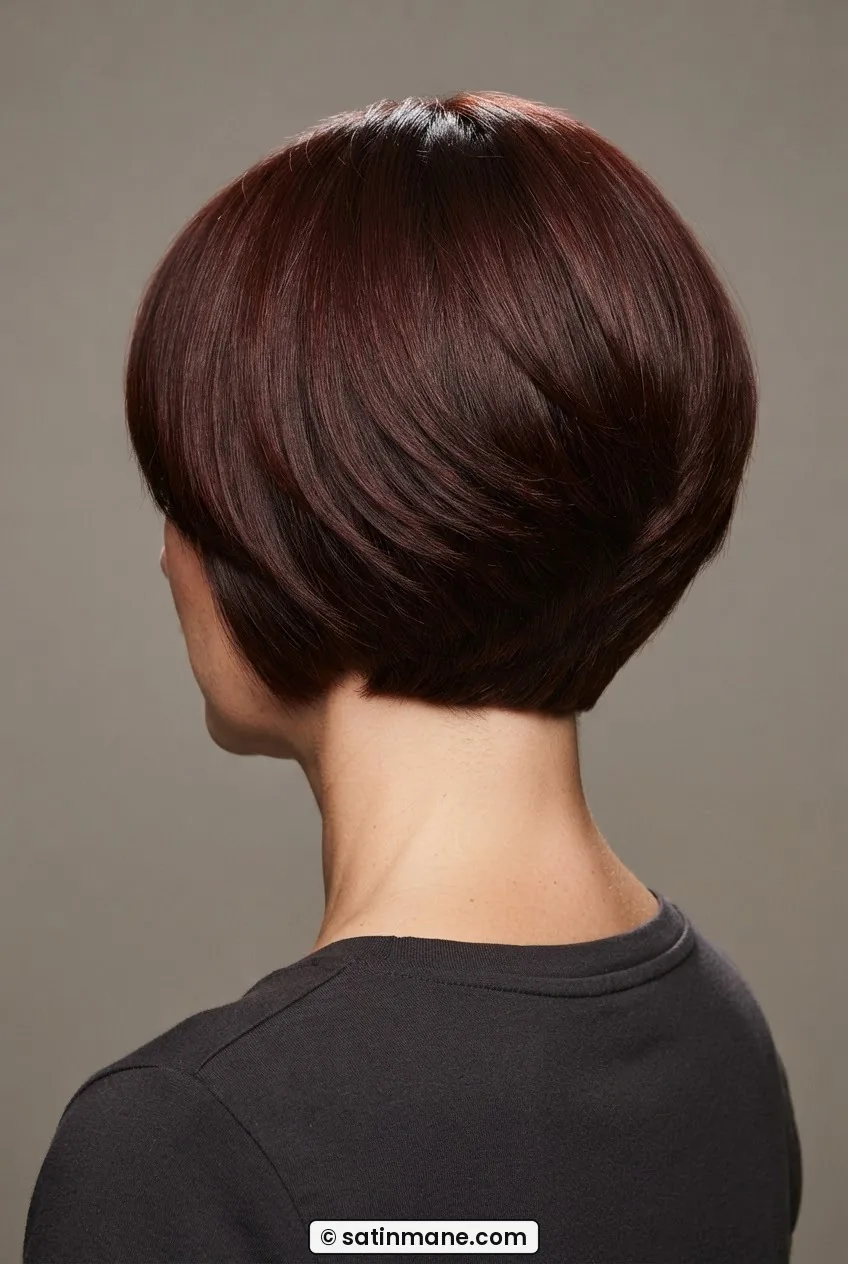
Now we’re moving into jaw-length territory, and things get interesting. A graduated bob — sometimes called an inverted bob — keeps the back shorter (often close to the nape) while the front pieces fall to the jaw. The weight sits along that jaw-to-collarbone diagonal, which is honestly one of the most flattering shapes for a huge range of face structures. It frames without hiding. It lengthens without looking severe. The daily commitment is minimal because the shape is built into the cut rather than relying on any particular styling technique. Round face shapes, in particular, tend to do very well here — the way the longer front pieces draw the eye downward is the same principle behind the cuts I covered in my guide to bob cuts for round faces that lengthen rather than widen.
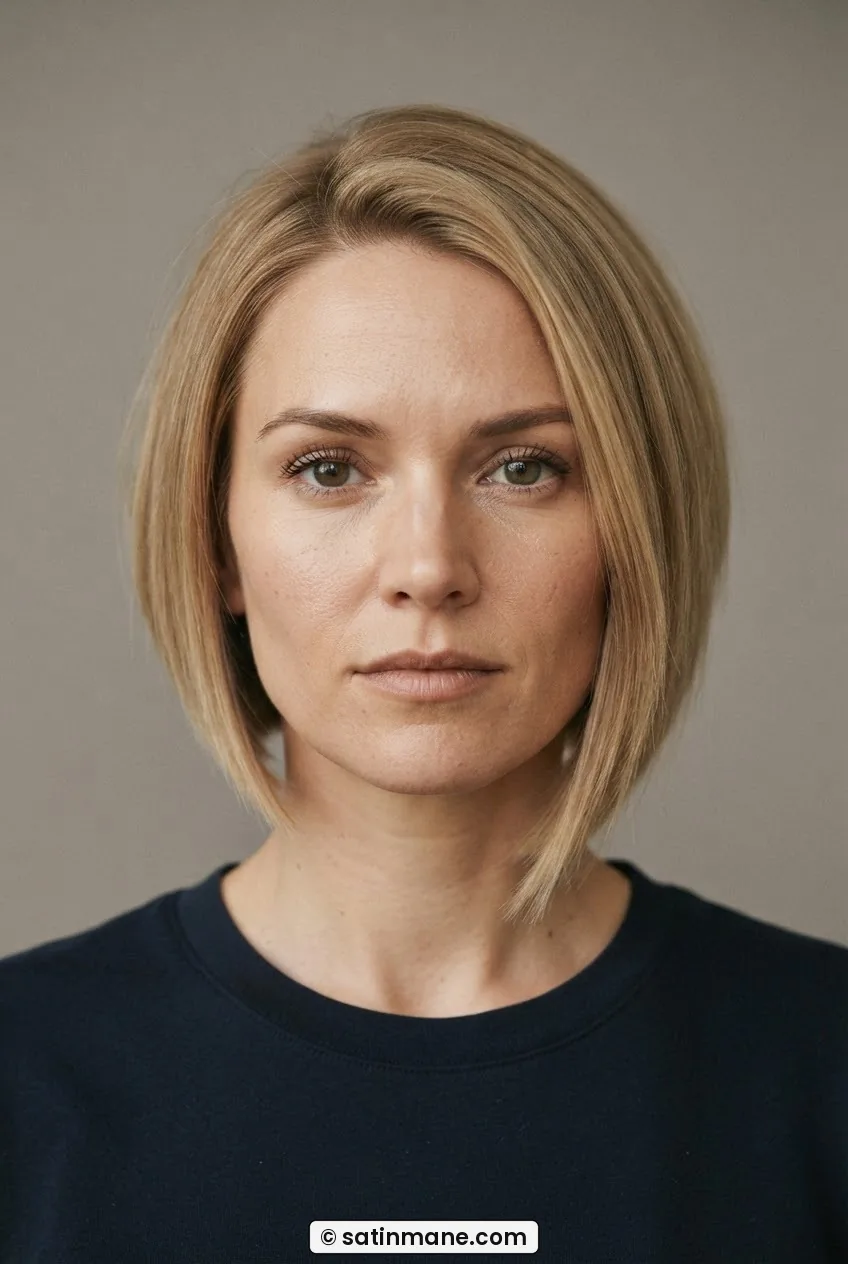
5. At the Jaw: The Asymmetrical Bob
One side longer than the other. That’s the whole concept — and it sounds more dramatic than it usually is in practice. The shorter side typically sits just below the ear, the longer one grazes the jaw or just past it. What I love about asymmetrical bobs is that the shape does all the visual work. You don’t need a blowout to make it look intentional. You don’t need product. It already looks deliberate because the actual geometry of the cut is interesting. The catch: growing it out is slightly awkward if you decide you’re done with it, because both sides are different lengths growing at the same rate. Worth knowing before you sit in the chair.
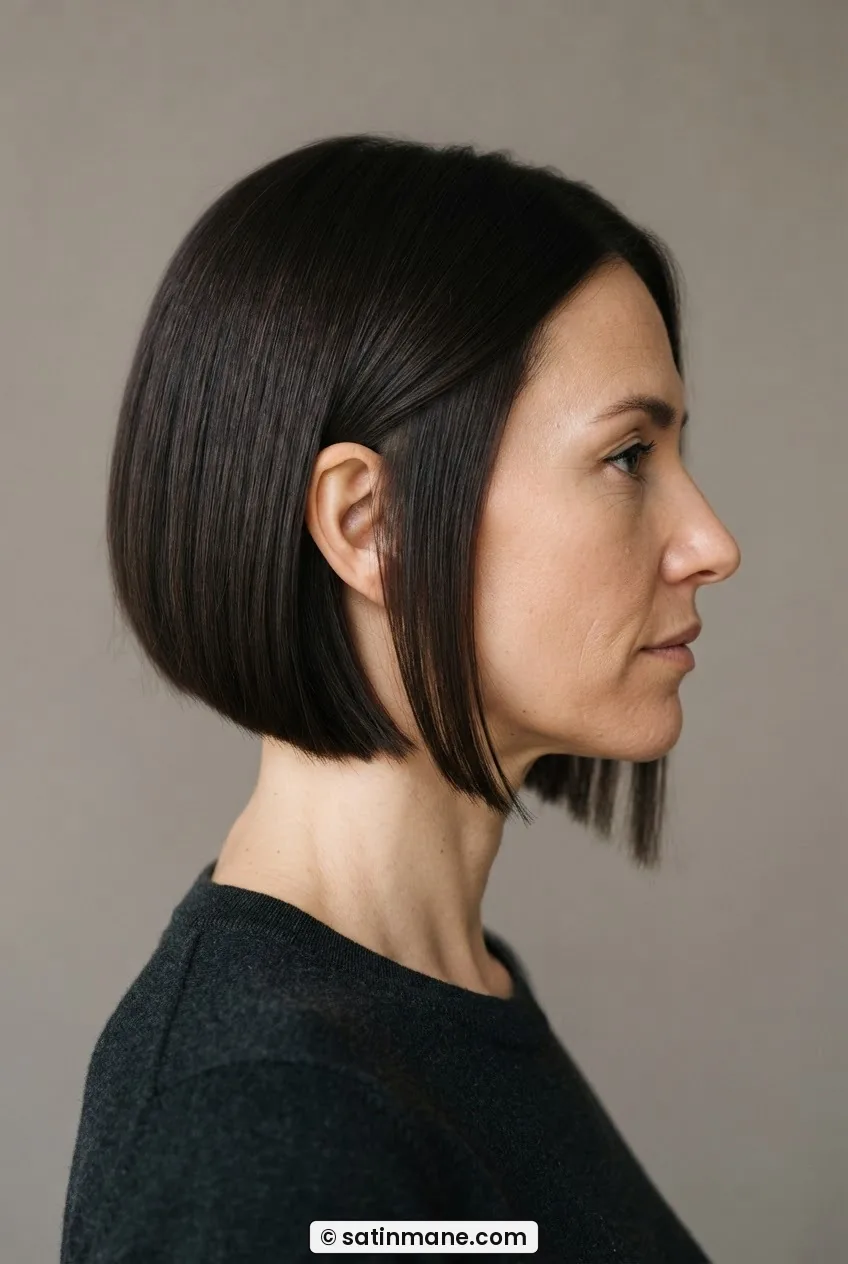
My personal pick on this entire list is the Italian bob — and I’ve tried most of these. There’s something about the way the weight sits right at the jaw with that slight internal movement that makes it feel genuinely modern without trying too hard. I’ve had mine trimmed every six weeks for two years and I’ve never once reached for a round brush at seven in the morning.
6. At the Jaw: The Italian Bob
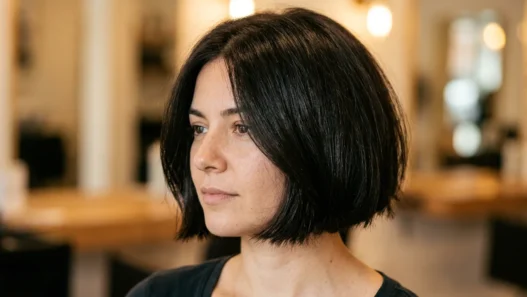
The Italian bob is having a genuine moment right now and honestly, it deserves it. The length hits at the jaw but the interior of the cut has soft, minimal movement — not layered exactly, but with a slight internal texture that prevents the all-one-length look from feeling heavy or blunt. It’s the bob that looks like you did something to it when you actually just washed it and let it dry. European editorial stylists have been cutting this shape forever; it’s only in the last couple of years that it properly crossed over into mainstream salons. You want to ask specifically for “internal texture without layers” — those exact words — because “texturized bob” means something different at most salons and you’ll end up with something too choppy. Look at how she’s wearing hers in the photo below — that subtle bend at the ends is the cut, not a styling tool.
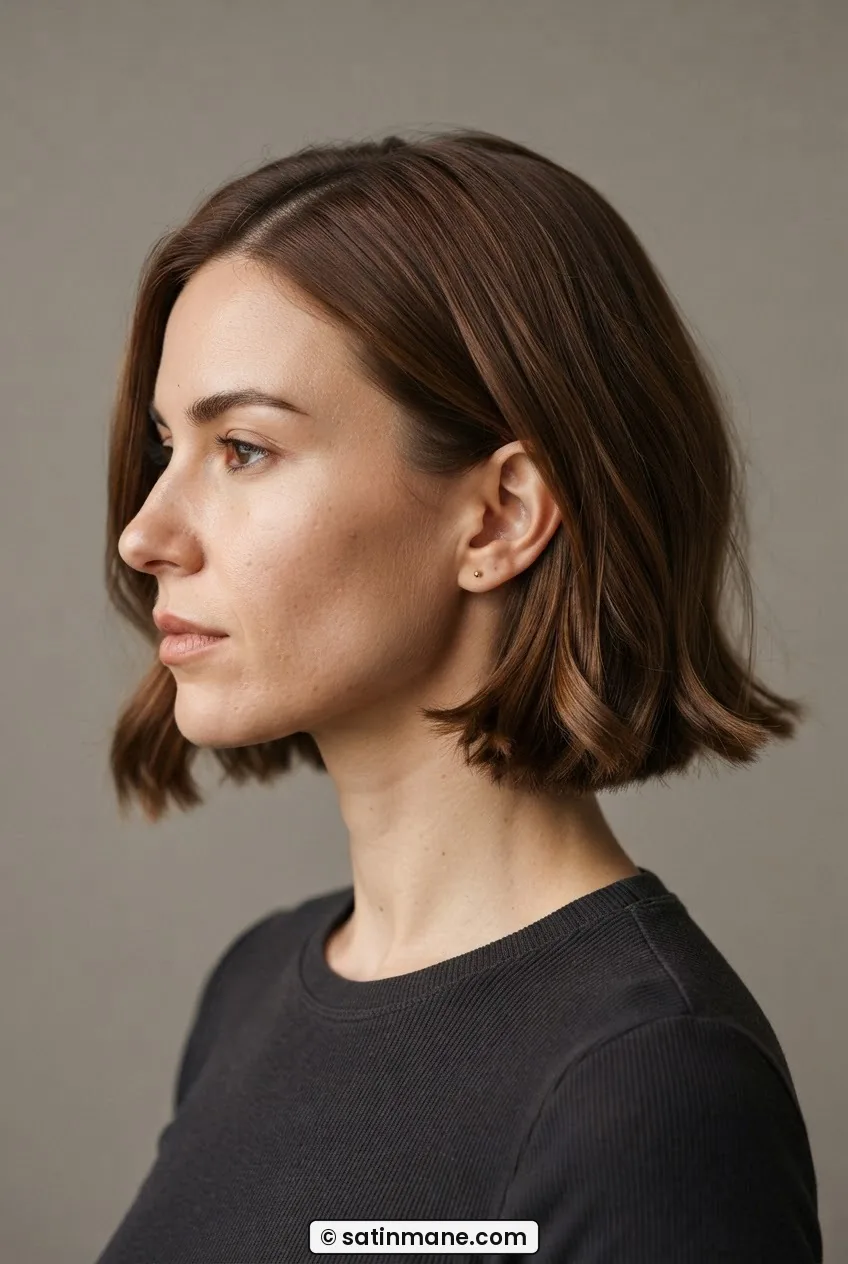
A Stylist Cutting the Italian Bob Live
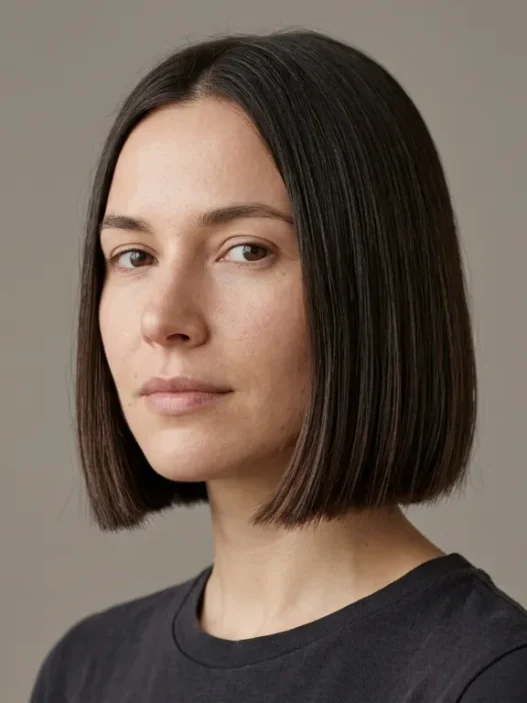
7. At the Chin: The Classic Chin-Length Bob
The chin-length bob is where most people picture when they say “bob.” It’s the reference point everything else gets measured against. The weight sits right at the chin — one clean horizontal line — and it works on an enormous range of hair types and face shapes, which is partly why it became a classic in the first place. For a blunt, one-length version, maintenance between appointments is genuinely minimal. Shape holds for five to seven weeks on most hair types. It air-dries into a presentable shape if your hair is reasonably straight or wavy. And when styling is necessary, ten minutes with a round brush gets you the full look. Not zero effort — but close. See the image here: notice how that cut line at the chin creates a frame for the face that a longer length simply doesn’t.

8. At the Chin: The Soft Bob
Same length as the classic, different finish. A soft bob has the ends feathered or point-cut to remove some of the blunt weight, and the result is something that moves a little more on fine or medium hair. I’d specifically recommend this version if straight all-one-length bobs tend to go flat on you by mid-afternoon — the reduced perimeter weight means the ends have a bit more lift naturally. It’s also slightly more forgiving to grow out than a hard blunt line. The maintenance window is comparable to the classic: five to seven weeks. How to describe this cut to your stylist without getting something too thin at the ends — that’s the one pitfall to know about before you book.
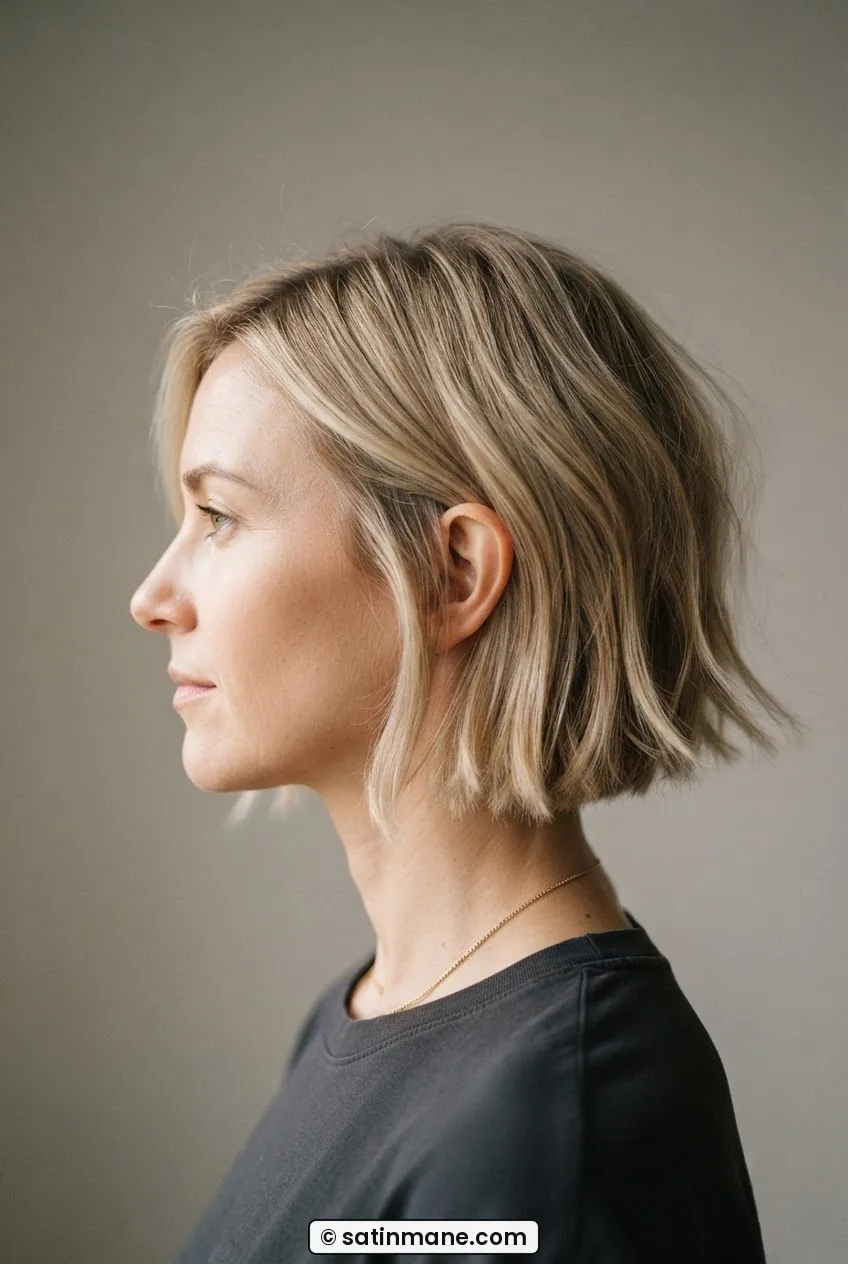
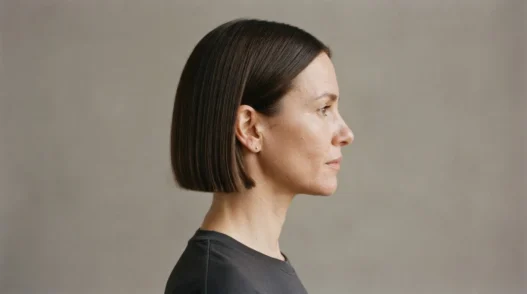
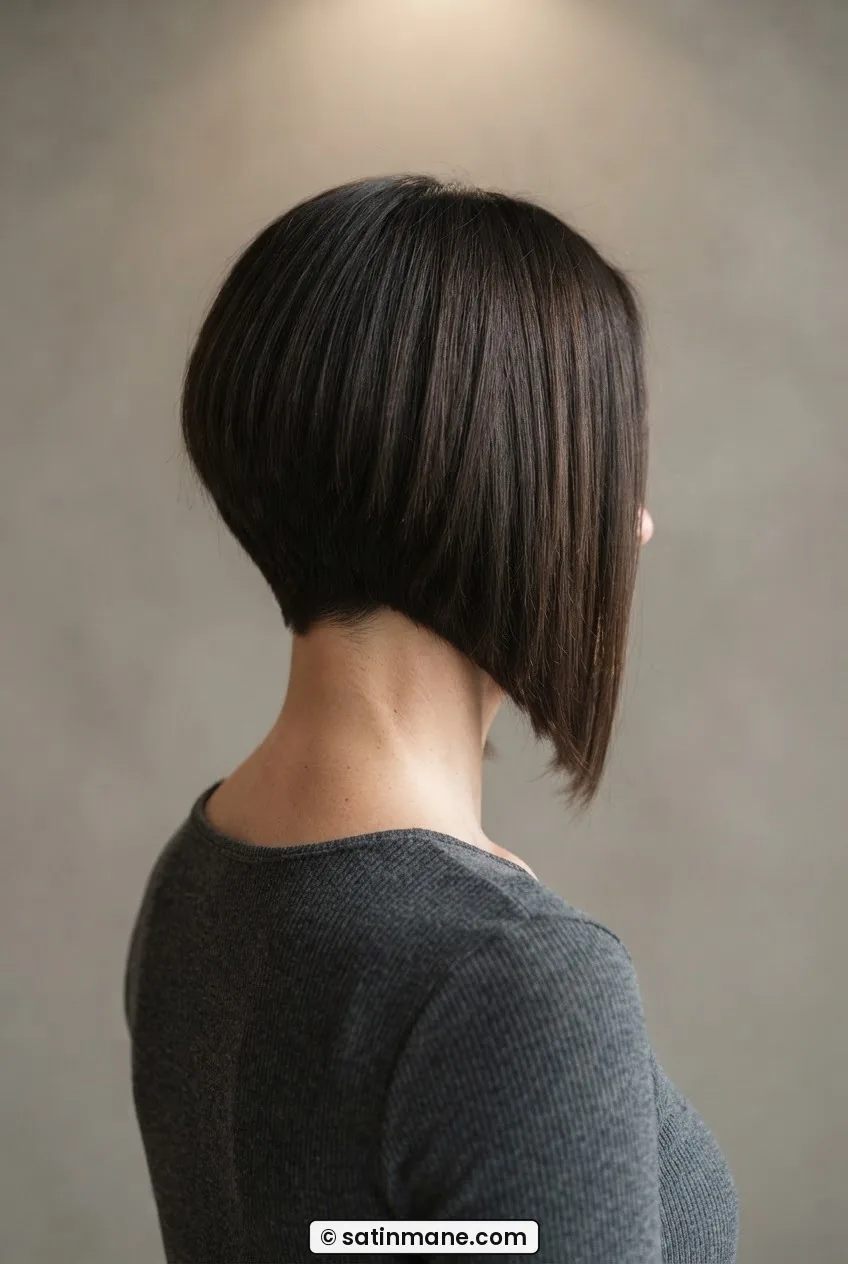
9. At the Collarbone: The A-Line Bob
The A-line bob is the graduated concept stretched further — the back sits higher (somewhere between nape and occipital bone) and the front falls to the collarbone or just above it. The dramatic angle creates a striking side-profile silhouette that reads as a deliberate, styled choice whether or not you’ve actually done anything to it that morning. This is the longest cut on this list that I’d still call truly low-upkeep, because the internal structure carries enough shape that you don’t need to actively style it to look put-together. If you’re not sure whether this is the right direction for your face shape, the thinking behind short haircuts for round faces applies here too — the downward angle of an A-line is one of the most reliable ways to add visual length.
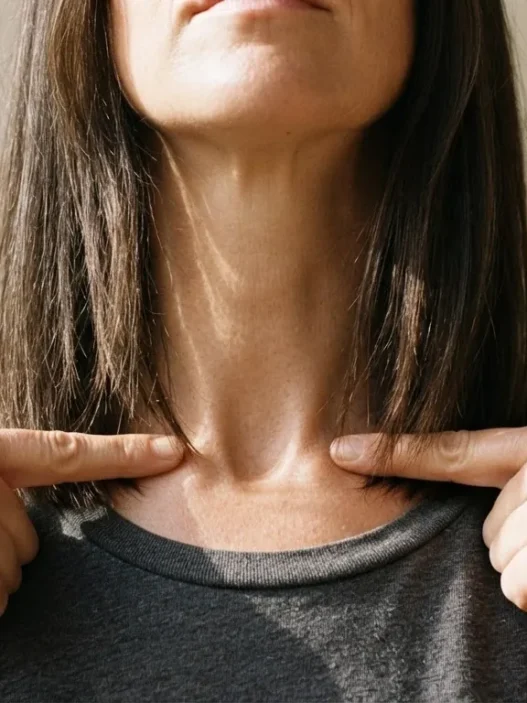
10. At the Collarbone: The Midi Bob
The midi bob — sometimes called a longer bob or lob — is the one I’d send most readers toward if they’re genuinely uncertain. It hits right at the collarbone, which is a forgiving length for almost everyone. There’s enough weight to prevent the straggly, going-nowhere look that plagues the in-between zone; there’s enough movement to let the cut breathe. The real maintenance advantage of collarbone-length bobs is that you have an extra two weeks before the shape noticeably falls apart compared to ear-length cuts. Six to eight weeks between trims is realistic. It also plays beautifully with air-drying, and I think it’s the best starting point if you’re nervous about going short — you can always take it up, but you can’t put it back. For a broader look at what this length range opens up, the honest breakdown in what nobody tells you about hairstyles for short hair is worth reading before you commit. And if you’re over fifty and wondering whether collarbone-length still works — yes. Emphatically. The shape options I covered in short haircuts for women over 50 that hold their shape include several variations on this length that look genuinely sharp.

Questions I Get Asked About Bob Cuts
How often do I really need to get a bob trimmed to keep it looking sharp?
Ear-length bobs need a trim every five to six weeks — non-negotiable if you want the shape to hold. Chin-length and collarbone-length versions are more forgiving; six to eight weeks is realistic for most hair types. The blunter the cut, the more obvious it gets when it grows out, so factor that into your decision.
Can bob haircuts work for thick hair, or will they look bulky?
Thick hair and bobs absolutely work together — the key is where and how the stylist removes interior weight. You want the perimeter left strong (blunt or close to it) while the interior is point-cut or channel-cut to reduce bulk without creating visible layers. A graduated or A-line bob is particularly good for thick hair because the back taper removes weight naturally. Tell your stylist you want the outside line preserved and weight removed from the inside only.
Which bob length is the most genuinely wash-and-go?
Honestly? The Italian bob or the classic chin-length blunt bob, on reasonably straight to wavy hair. Both air-dry into a shape that looks intentional without needing product or tools. Ear-length versions dry fastest but need trimming more often. The midi bob air-dries well too, but takes longer and benefits from a quick finger-comb while wet to keep the ends from curling unevenly.
Do I need a specific face shape to pull off a blunt bob?
The blunt bob works on more face shapes than people expect — the length and where the weight line sits matter more than the cut style itself. Oval faces can wear almost any version. Round and square faces usually do better with the weight sitting below the jaw rather than exactly at it, which makes the chin-length or collarbone-length versions a better bet. Heart-shaped faces often love an asymmetrical or soft bob that adds width at the chin level.
If I had to pick a single length for someone who’s genuinely new to short hair and doesn’t want to think about it every morning — it’s the midi bob, collarbone-length, maybe with a touch of internal texture. Not too short to feel shocking, not long enough to need managing. You shower, you let it dry, and it looks like a haircut. That’s the whole promise of a good bob, and that length delivers it most consistently. Go get it cut. You won’t regret it.